2024 Nanro Insight <The Future of Gastronomy: Talking HANSIK>: IDENTITY
The 2024 Nanro Insight programme, "The Future of Gastronomy: Talking HANSIK," was organised into five sections — IDENTITY, CONNECT, SEOUL, GLOBAL and SPECIAL. This piece revisits the IDENTITY session, where chefs Park Sung-bae and Cho Eun-hee of Onjium and Team NANRO Lab gathered around the question of what makes Hansik itself.
Onjium's traditional Hansik: roots and wings
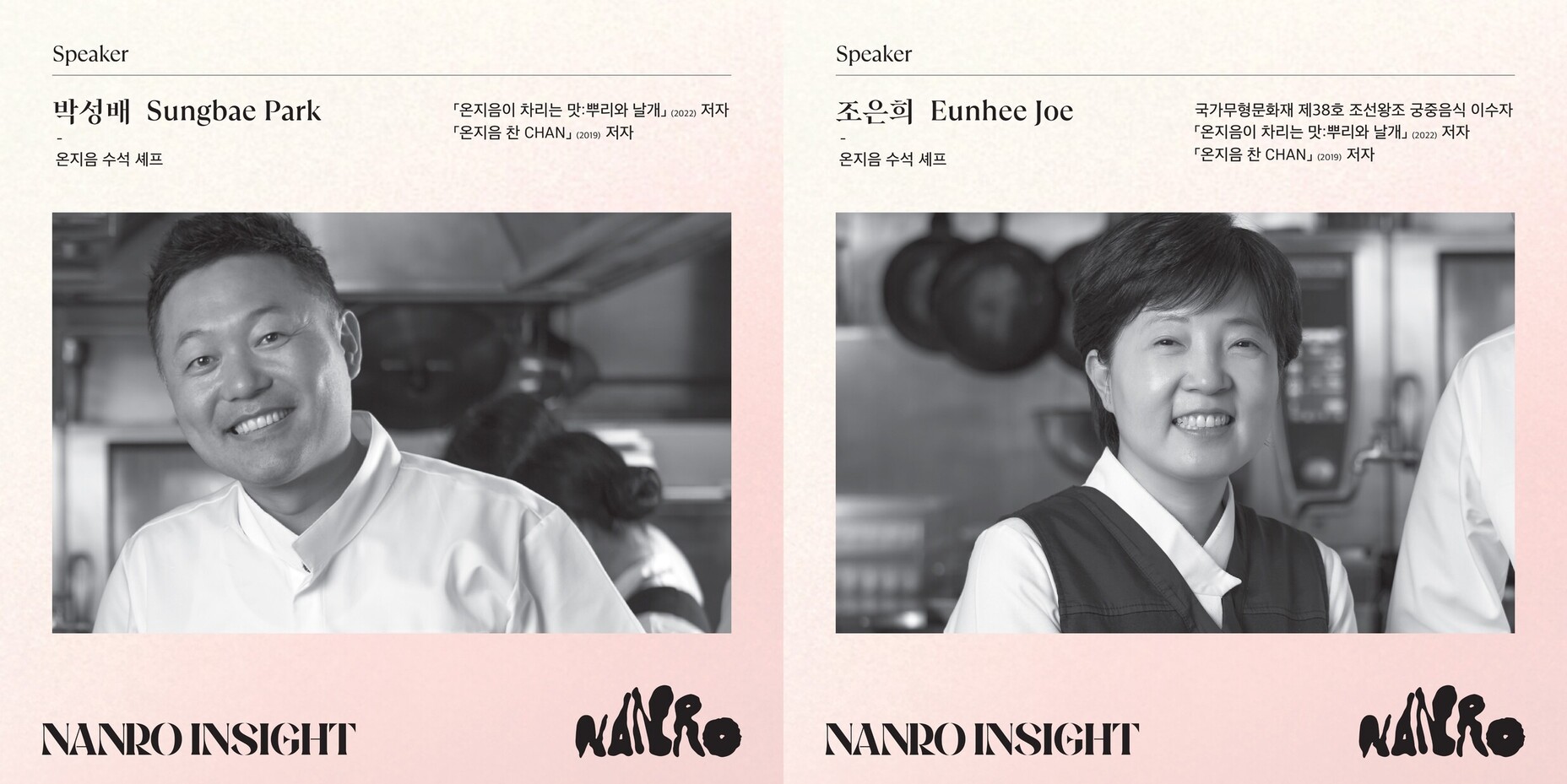
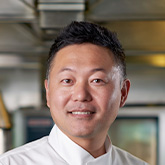
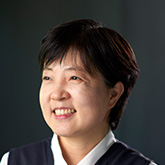
▶ Onjium chefs Park Sung-bae and Cho Eun-hee
"Fewer and fewer people wear hanbok. Fewer live in hanok. It's the same with food — these days people are eating spicy instant noodles and fast food more than Hansik. For a culture to grow, balance matters; it can't tilt too far in one direction. Which is why we have to know how to build the future on top of the past and the present."
Onjium's philosophy: geombulru hwaibulchi
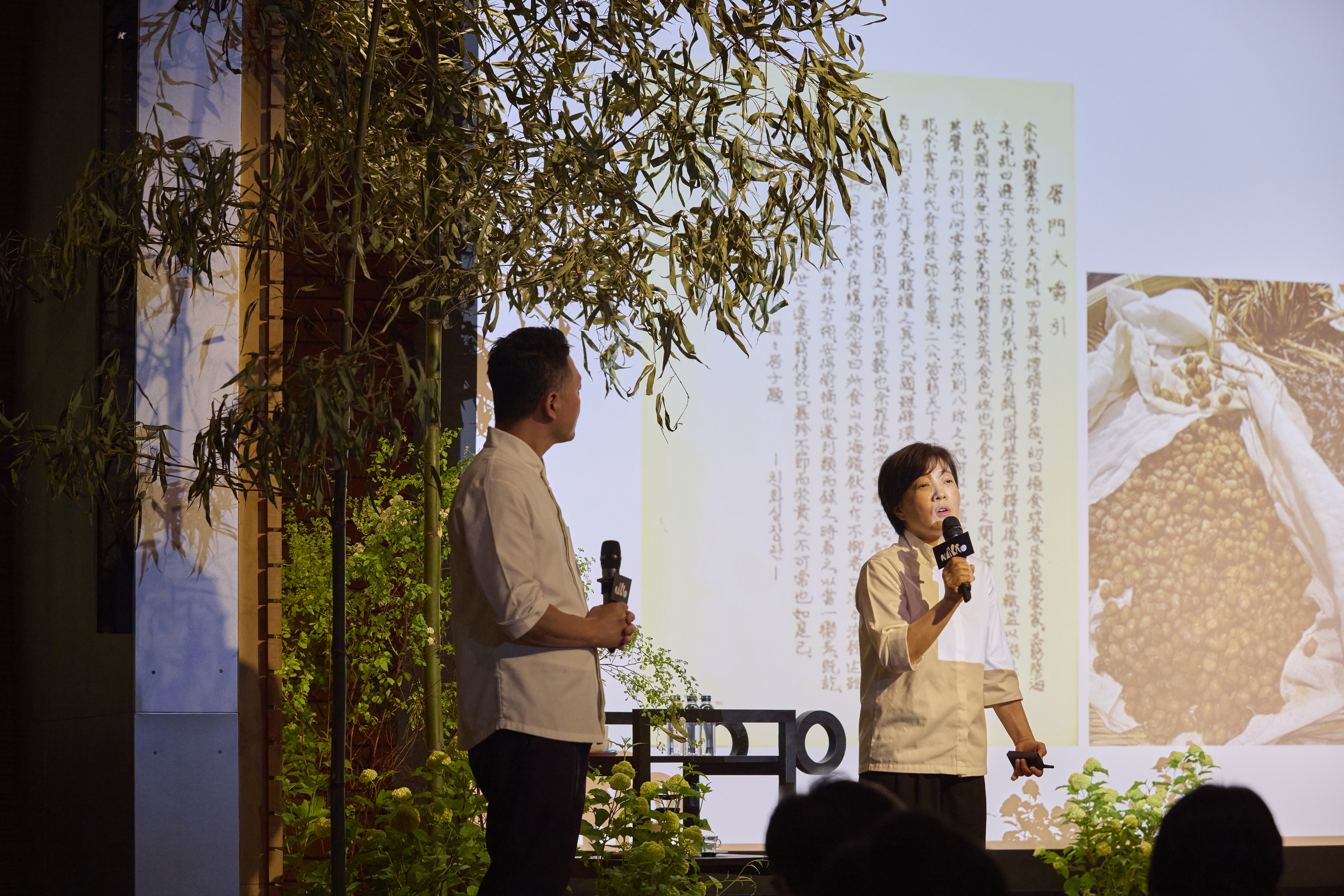
Onjium is a place where clothes, houses and food (bap) are made under the philosophy of "geombulru hwaibulchi" — modest but not shabby, splendid but not extravagant — while holding tradition and the present in balance. Its two founding visions are traditional research and the cultivation of artisans; the aim is to raise craftspeople who unite skill, theory and spirit, and send them abroad to share Korean culture with the world.
Onjium chefs Park Sung-bae and Cho Eun-hee:
"Onjium was born to keep hanbok, Hansik and hanok — the traditional Korean clothing, food and housing — from vanishing amid the speed of modern life. Think of Onjium as a place where clothes are made, houses are built and food is prepared under the philosophy of geombulru hwaibulchi: modest but not shabby, splendid but not extravagant. That philosophy prizes balance and natural beauty, and it's the ground we build on as we carry the beauty of Korean tradition into a contemporary form.
Our first vision is to research tradition; the second is to raise artisans. Not just the technique — we want craftspeople in whom technique, theory and spirit are all in balance. And we want them to go abroad and let people around the world know what Korean traditional culture actually is."
Studying tradition, and connecting it
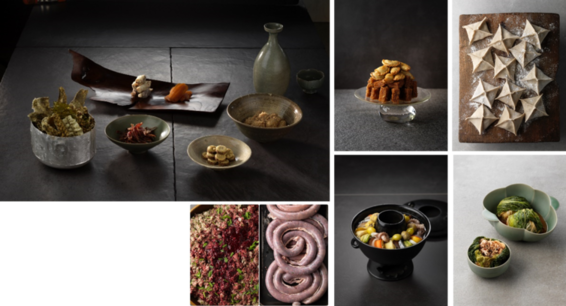
So what does Onjium mean when it talks about traditional Hansik? And how did it come to define the identity of Hansik in a way that allowed both inheritance and reinterpretation? The chefs answered by pointing to the study of tradition and its connections, seen from many angles.
Onjium chefs Park Sung-bae and Cho Eun-hee:
"Inside Onjium there are three workshops — one that studies our clothing, one that studies our houses and one that studies our food. Tradition is woven into every part of how we live. So studying traditional food doesn't stop at ingredients or recipes. The layout of the house where the food was cooked and eaten, the climate at the time, the qualities that gave our clothing its particular shape — you have to look at our ways of living from many sides and understand them if you want to reconstruct our flavours truthfully. That's why the three workshops keep talking with one another — to understand each other's traditions, connect them, and sometimes carry them through into creative work.
Of course, studying the fundamental roots of traditional Hansik in its own right matters too. We work with old cookery texts, and we travel to visit elders across the country who cook remarkably well, so that we can experience and study parts of our food culture that no book records. What we learn we reinterpret and remake, and we share those reworked traditional dishes with people today through publications and exhibitions. If we share our traditions and inherit them well, someday our wingbeats will carry Hansik to people around the world — and that's the belief behind what we do."
The scientific study of Korean grilled meat
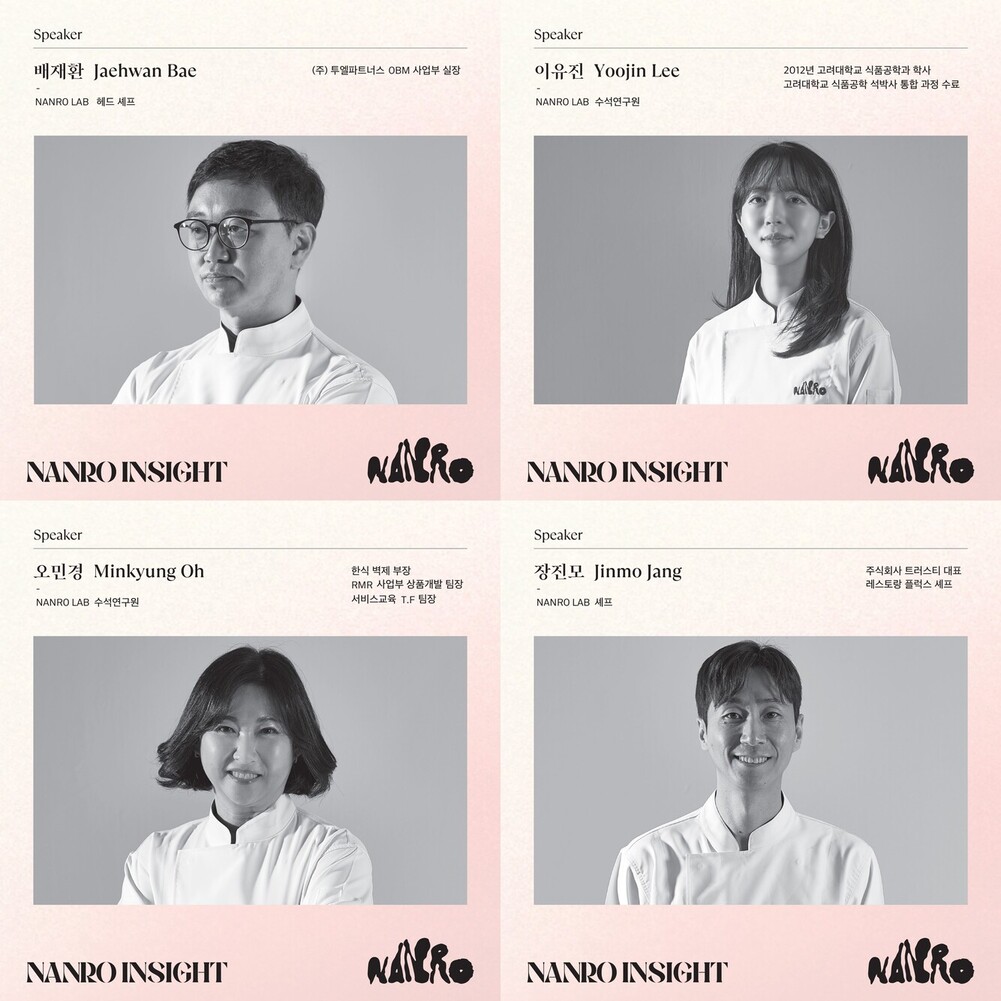
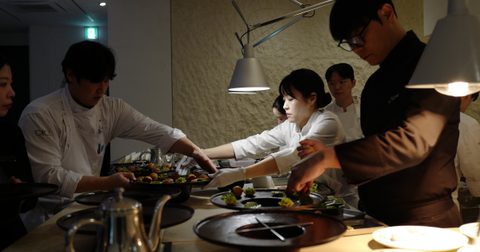
▶ Team NANRO Lab
"Our grilling culture, the one the world calls K-BBQ, has one fatal weakness: there are no clear criteria or standards. Which means expanding it into a proper industry is a lot harder than it should be. That's why Team NANRO Lab decided the first step was to study the cuts, tools, techniques and people that make up Korean grilling culture scientifically — and turn them into criteria and standards. So that our food culture can expand with real force."
K-BBQ's rise, and its dilemma
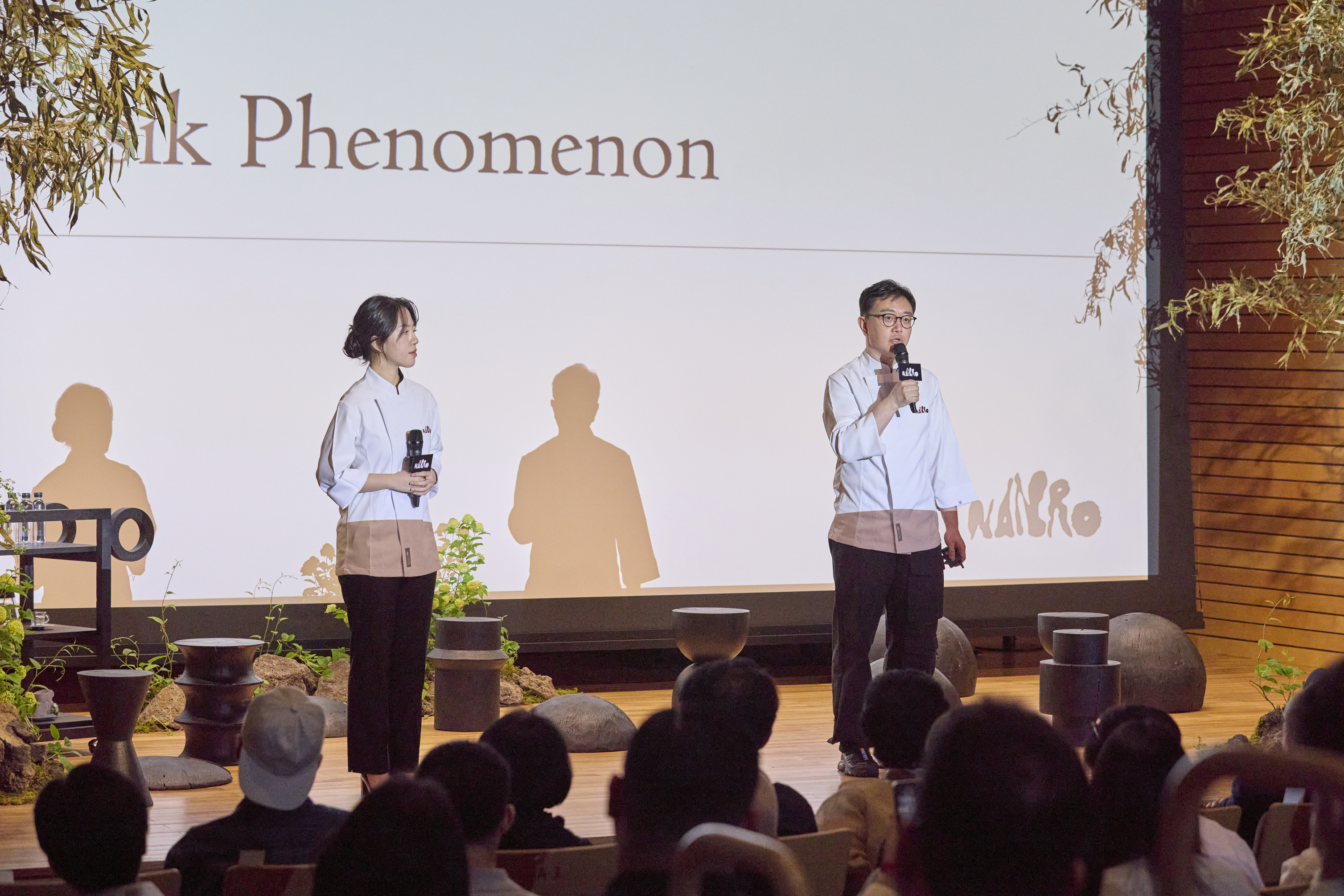
Global recognition of Korean grilled meat keeps rising. Korean BBQ in particular has settled deep into global dining culture. But the absence of clear criteria and standards remains a serious weakness. Team NANRO Lab is working to fix that by studying and developing Korean grilling culture through a trinity of science, technology and business.
Team NANRO Lab:
"Hansik is drawing intense global attention, and the phenomenon has centred on grilled meat. Korea's distinctive grilling culture stands in for the diversity and value of Hansik, and it has had real influence on international dining culture.
Looking at all of that, we can say that K-BBQ has become a phenomenon. But there's a dilemma: no shared criteria or standards define what K-BBQ actually is. The lack of standardisation and refined technique is a real limit on where Korean grilled meat can go. So NANRO Lab is working to establish criteria for the three things that make Korean grilling what it is — the cuts of meat used, the technique and tools it takes to grill them, and the person doing the grilling. Because we want to introduce Korean grilling culture clearly, and give our food culture the ground it needs to expand with real force."
How Team NANRO Lab works
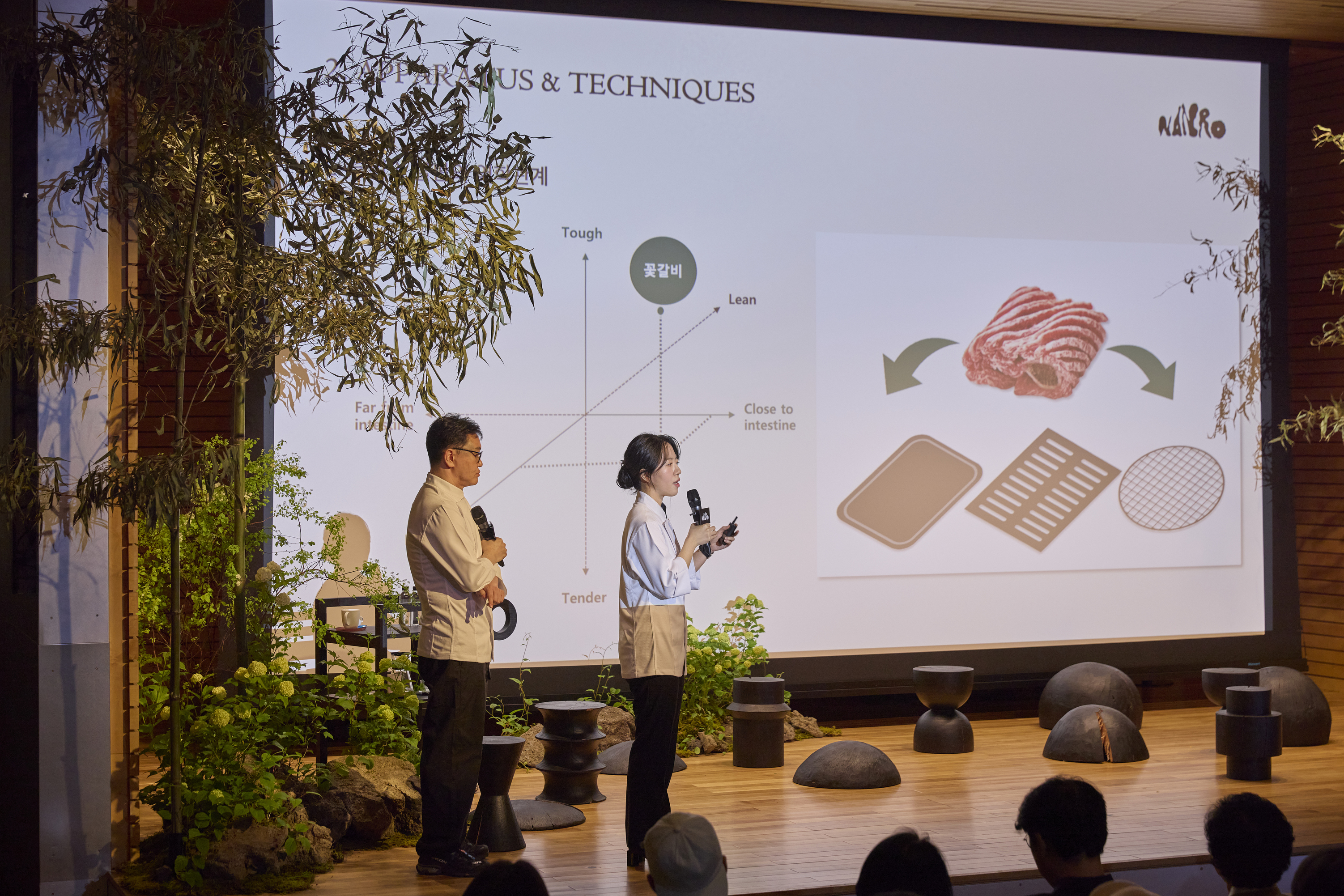
Team NANRO Lab draws on the experience of veteran grill masters and uses a scientific method to codify Korean grilling culture, then applies the findings on the ground so the results can extend into an industry. The research combines design-thinking methods with quantitative sensory evaluation, systematically sorting cuts, tools and techniques to find the best way to grill each thing. Based on that work, NANRO Lab has introduced its Nanro Grill Master certification, and is now extending into education, entrepreneurship, tourism, distribution and more.
Team NANRO Lab:
"To look at Korean grilled meat scientifically, we started by uncovering the essence hidden inside it. We interviewed grill masters working in actual restaurants, tried their methods ourselves, and then began identifying and sorting the many elements that make up the system. What emerged was that Korean grilling breaks down into three parts: the cut, then the tools and technique, and then the person.
NANRO Lab's research aims at practice from within science, and reaches for science from within practice — and that will become a framework that lays the ground for successful business. The expansion can extend into education, entrepreneurship, tourism and distribution, and even further into entertainment and manufacturing, without any real exception."
So under the theme of IDENTITY, we took several routes into what makes Hansik itself. From here, how do we connect Hansik to more people? The next piece, under the theme of CONNECT, looks at how to reach more people through Hansik — and what we need to prepare in order to do it.