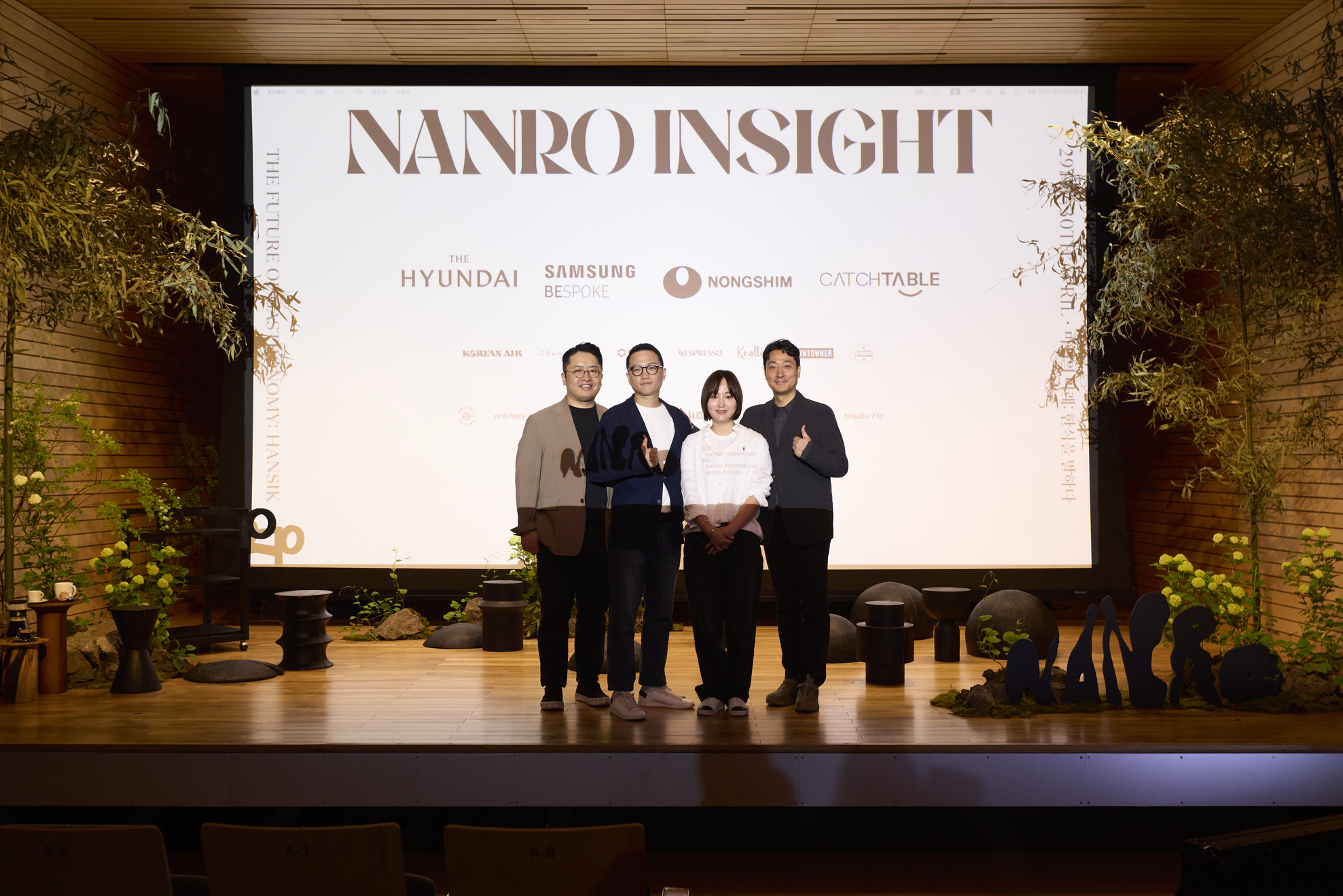
2024 Nanro Insight <The Future of Gastronomy: Talking HANSIK>: SEOUL
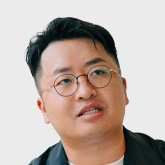
Seoul is home to restaurants that offer wildly different F&B experiences. How did each of them begin, and what do they dream about next? Under the SEOUL theme, we sat down with Jung Dong-woo (CEO, MEATforFOOD), Park Su-kyung (CEO, Geumdwaeji Sikdang) and Han Choong-hee (CEO, UGD) to hear what running an F&B business in the middle of Seoul actually looks like.
Why running a restaurant needs a plan
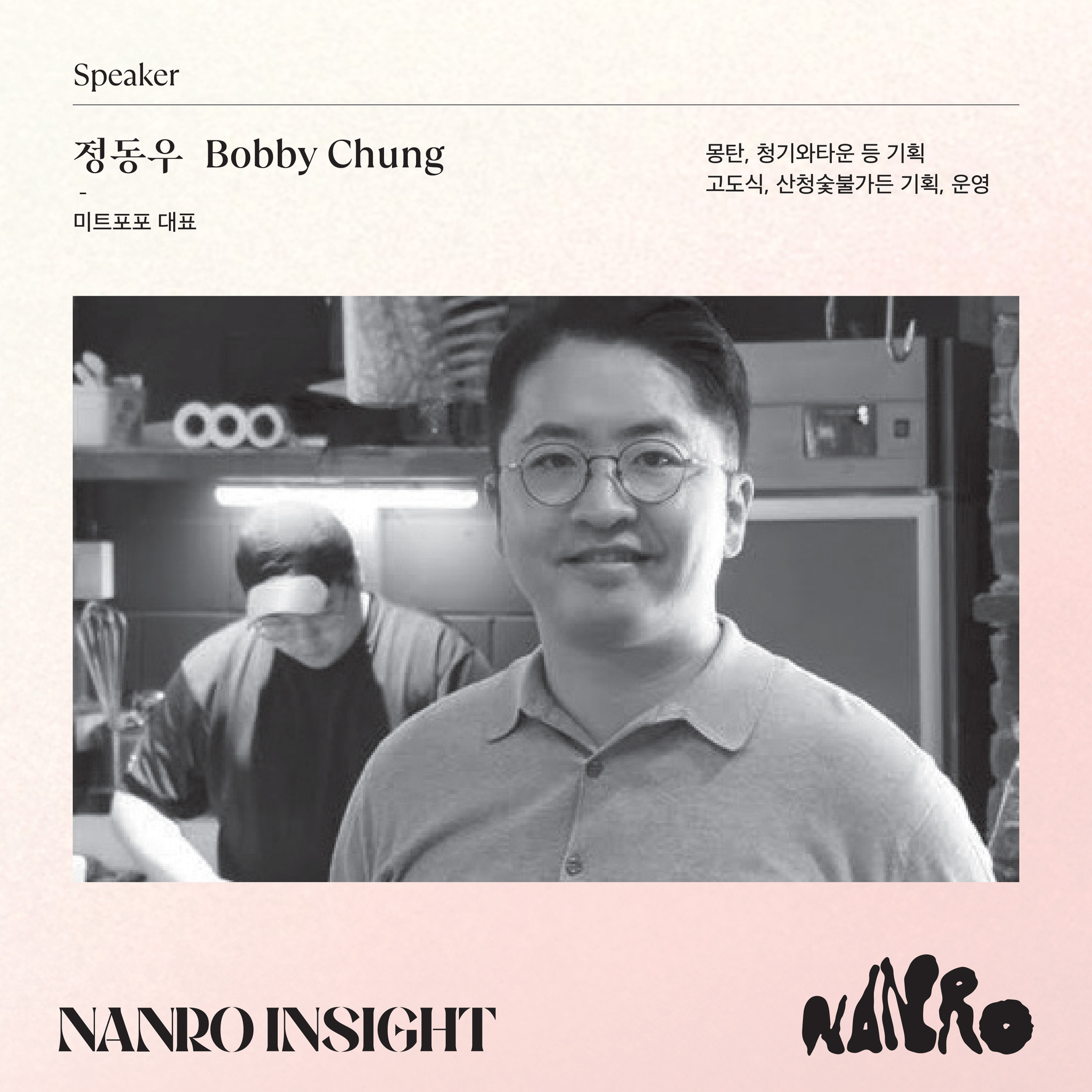
▶ Jung Dong-woo, CEO, MEATforFOOD
"Instagram turned everyone into a content creator, and a lot of restaurants started leaning harder on how the food and the space look. There was also that stretch when the Reply series pushed cold samgyeopsal and the rest of the newtro wave through the whole dining industry. To gather people, you have to know what culture they're currently enjoying. Figure that out and bake it in at the planning stage, and the pull on the crowd gets much stronger."
The core of brand planning
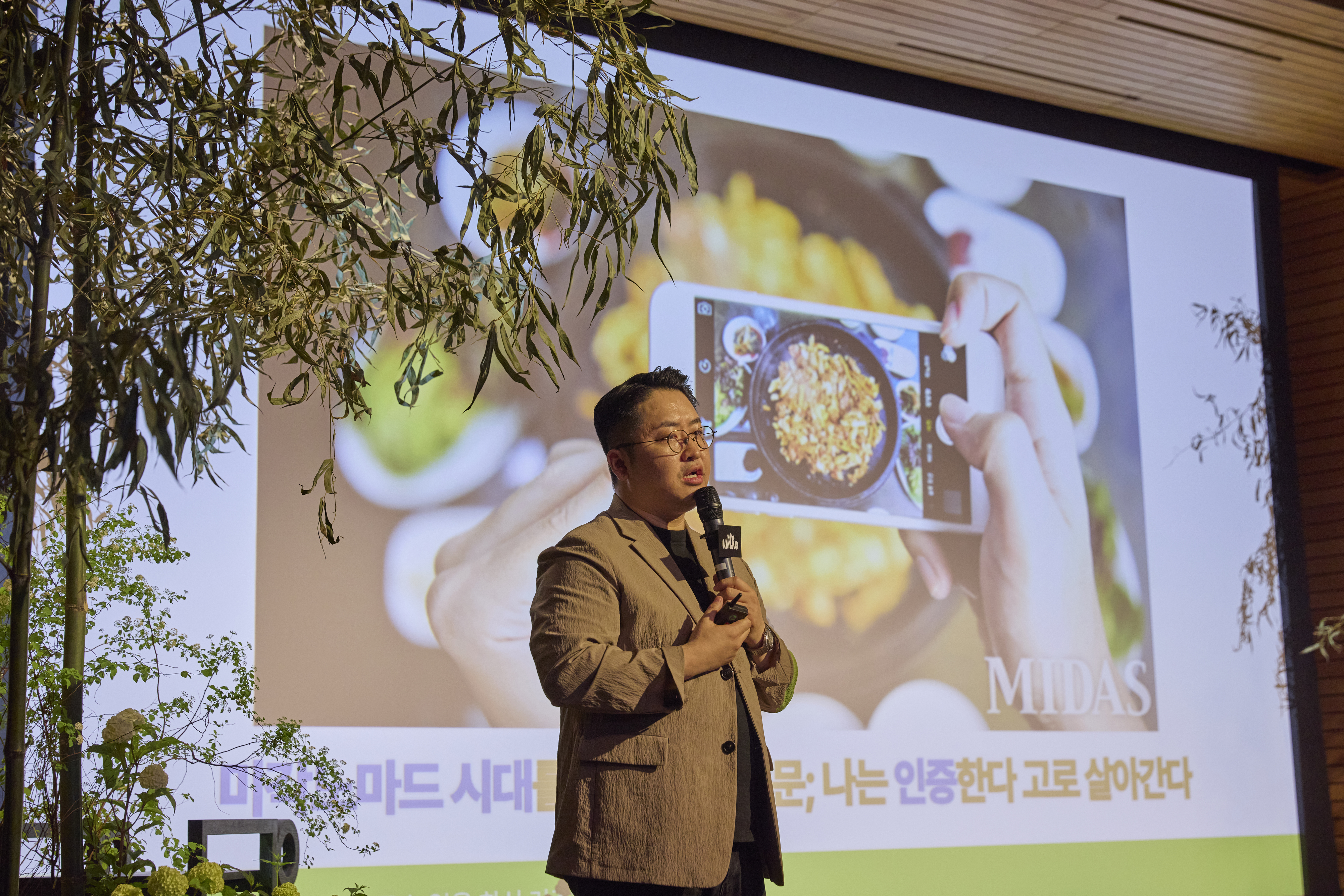
Jung says that when planning a brand, what matters is loading it with codes and values that anyone can connect with. Behind every brand people obsess over, he added, is a real understanding of the consumer — and he pointed to cases where he'd built brands by reinterpreting culture and consumer needs.
Jung Dong-woo, CEO, MEATforFOOD:
"Sancheong Sutbul Garden was born during COVID. People couldn't travel abroad, and there was no outlet for that feeling of release — so we drew on 'camping' and reinterpreted camping and nature into a brand.
Behind every brand people obsess over there's always an understanding of the culture and the consumer. If you can understand and pull out empathy, people will want to experience it, want to own it. That's why I always put empathy and dialogue with the audience first when I'm planning a brand."
We want to be the best pork restaurant in the world
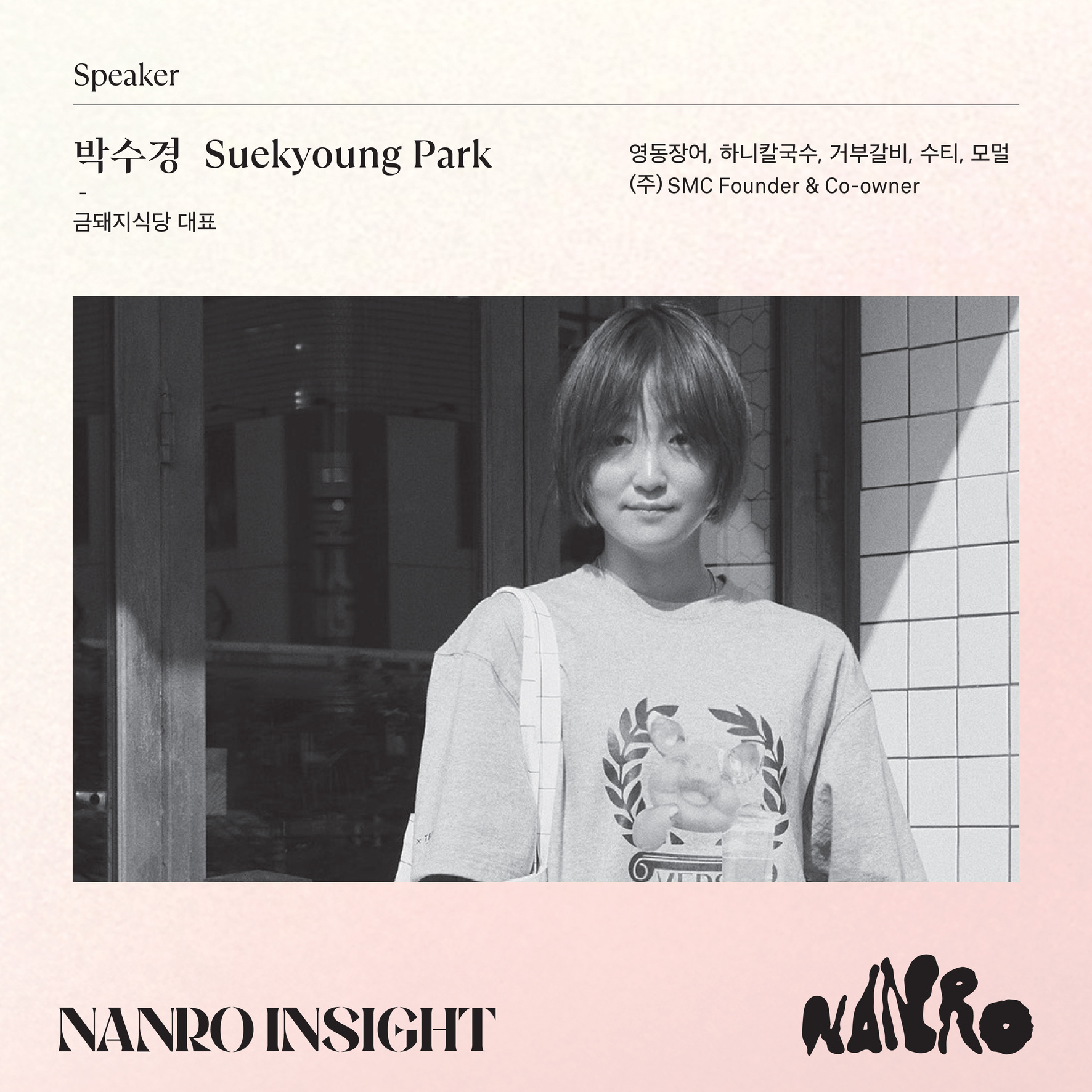
▶ Park Su-kyung, CEO, Geumdwaeji Sikdang
"The essence of a meat restaurant is the quality and flavour of the meat. Before we opened Geumdwaeji Sikdang, I was at the Majang-dong market at dawn almost every day, studying meat. Once we'd worked through the essentials, we layered storytelling on top of them — that's how we built our value. Our own value, what set us apart. As we told the story to guests, the conversations with them naturally grew, and they were moved by that and became fans. That's how we got to what Geumdwaeji Sikdang is today."
Essence, then storytelling that sets you apart
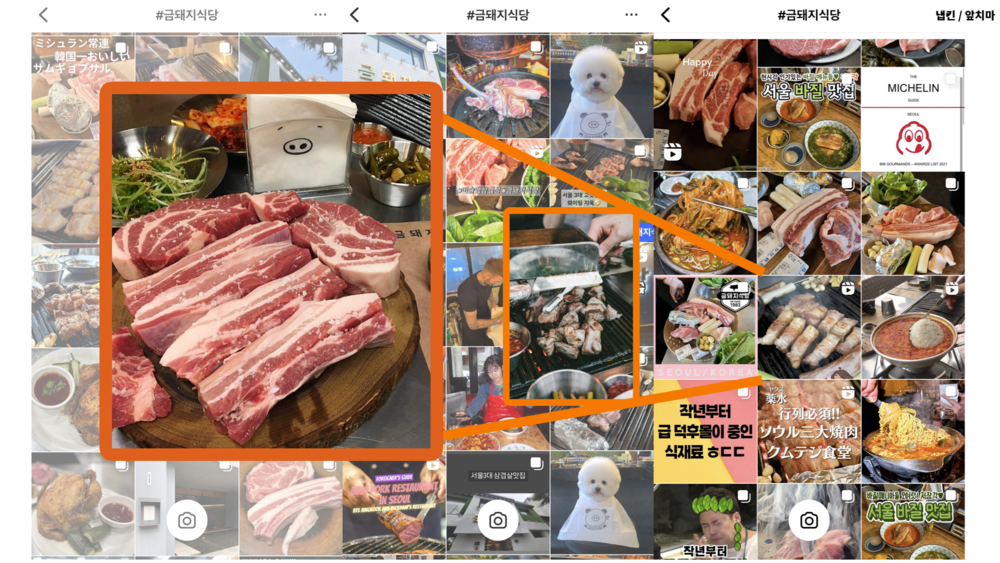
Geumdwaeji Sikdang built online buzz through a distinct concept and solid storytelling from inside — without spending much on marketing. But it isn't just a place people post to social media from. It serves high-quality meat and banchan, keeps developing new menu items, and holds a high bar on the fundamentals, so a fresh experience keeps drawing guests back.
Park Su-kyung, CEO, Geumdwaeji Sikdang:
"I thought hard about how we might fit our whole restaurant into a single photograph. That's why we did things no one else did — we put our own characters onto the napkins and the aprons and turned them into images. And while we lean on fun to stand out, we're still, above all, a restaurant that serves meat, so we pour a lot of attention into the quality and flavour of the meat, which is the essence of what we do.
Meat restaurants usually set the menu once and don't change it much. But because we want to give every guest a new experience and a better product, we keep releasing new dishes."
Layering influence to widen recognition
Geumdwaeji Sikdang also keeps up outside collaborations — a convenience-store product line, apparel drops with fashion brands and more — to reach more people and stay in conversation with guests.
Park Su-kyung, CEO, Geumdwaeji Sikdang:
"There's only one Geumdwaeji Sikdang, and it's in Seoul. But we badly wanted to reach people outside the city too. Korea has an enormous number of convenience stores. So the simple thought was: if our product goes into convenience stores, more consumers will get to know us. That's how the convenience-store line began.
We collaborated with a bedding company on a duvet, too. With the single-line slogan 'Dream of pigs,' we wrapped it in a story, and it became a chance to reach people who weren't our usual crowd and to raise the brand's value.
Influence meets more influence, and more guests find us — and because we never let up on the essentials or the value research, I think that's why we've been named to the Michelin Guide six years in a row."
Geumsappa Hospitality — jeong that crosses the line, heung that crosses the sorrow
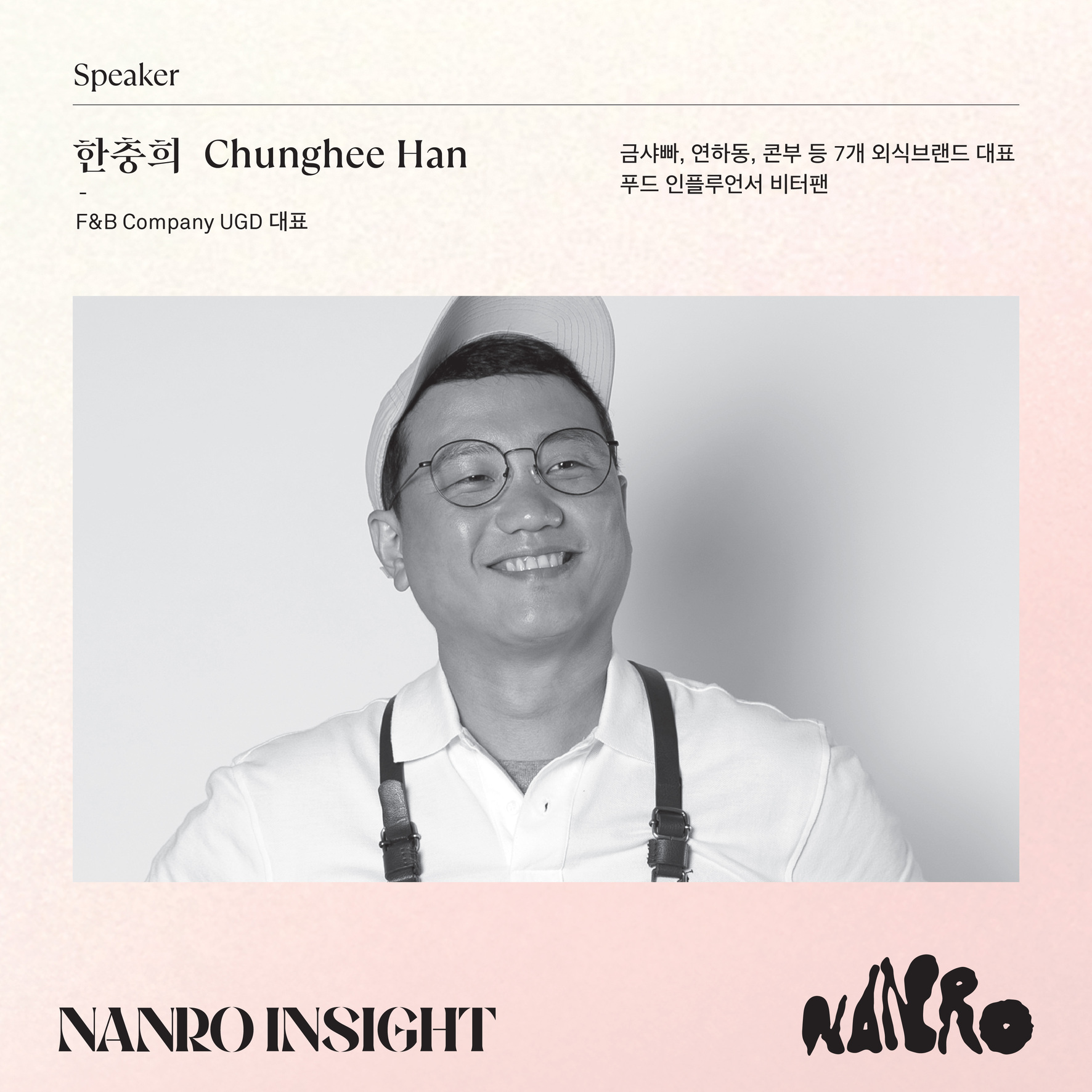
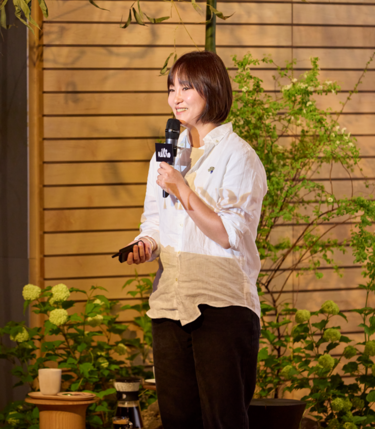
▶ Han Choong-hee, CEO, UGD
"We ran pop-ups twice a week. When someone had an item they wanted to try, we handed them the space and helped them run their pop-up. Some guests came in for a day as part-timers just to see what F&B is actually like. I figured they'd suffer through it and never come back, but the heung in the air and my slightly over-the-top jeong seemed to stay with them, and they kept coming back. The average life of a restaurant is 3.5 years. If I've survived this long anyway, it's probably down to the jeong and the heung flowing through the place."
There's still opportunity inside a crisis
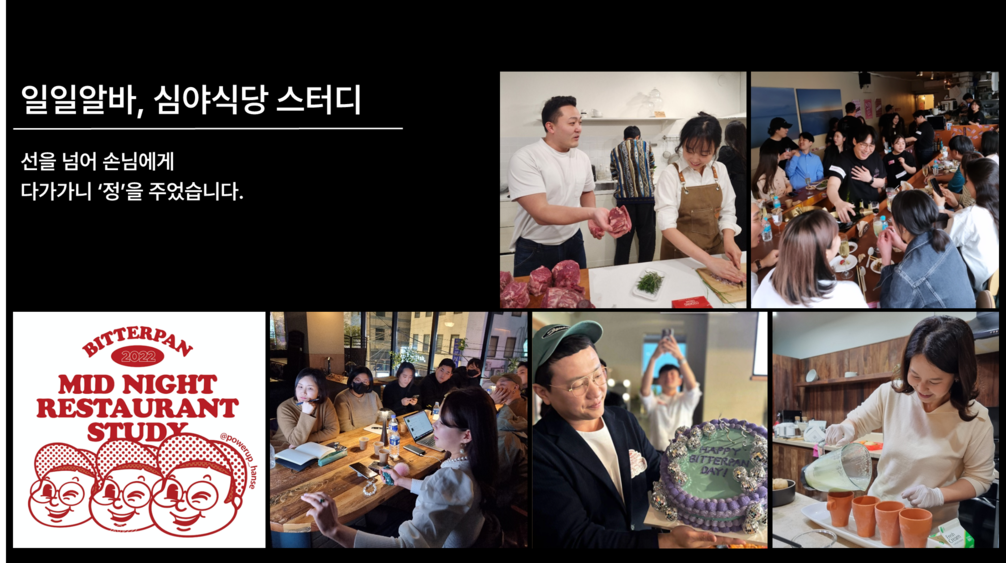
Han talked about how to spot and land on the opportunities inside a crisis — and shared how his jeong-and-heung strategy pulled the most out of the smallest possible budget.
Han Choong-hee, CEO, UGD:
"A lot of restaurants closed during COVID, but I tried hard to find the opening inside that. I watched Instagram to figure out what people cared about, and I dug through the OpenUp sales site to see what kind of venues customers actually wanted. On that basis, I opened a champagne bar with the smallest possible budget.
We started small, with pop-up events in a tiny space, but as people took to it we were able to scale up. Pop-ups gave guests a particular kind of experience — and became a real occasion to share jeong and heung. It taught me that even inside a crisis you can always find an opening, and that not being afraid of a new attempt matters."
Growth built on care and open communication
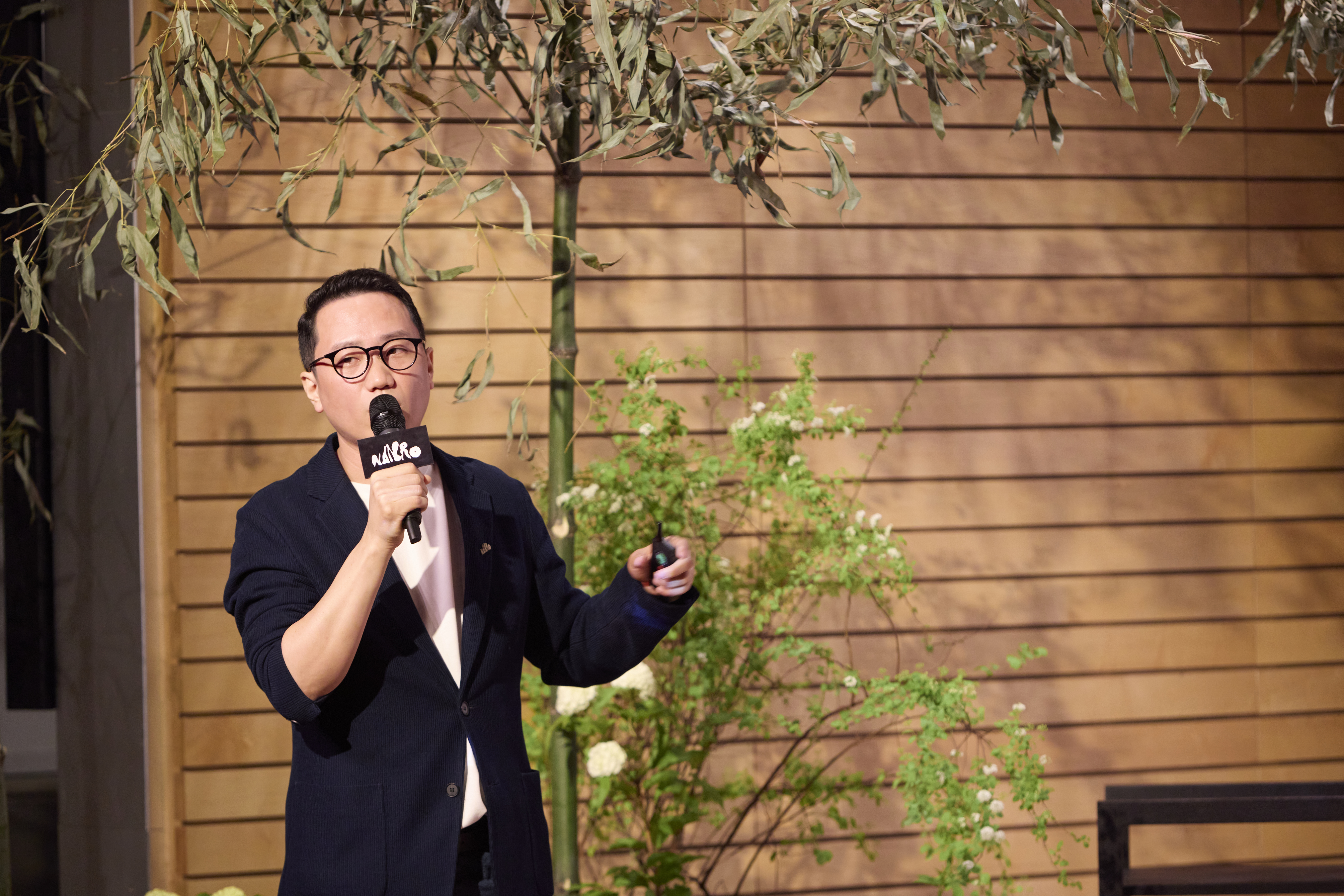
Han credits the venue's success and continued growth to growing alongside the people around him. What let him keep growing with his team? His answer: care in how he talks to people, and complete openness in what he shares.
Han Choong-hee, CEO, UGD:
"I talk with my team with real care, and I share the profit-and-loss statements transparently. That way the team knows exactly where the company stands and can see their own role clearly. We keep the head-office team as small as possible, everyone plays several roles, and results are shared. I've worked hard to build a culture where we share jeong and heung together — because that's what tightens the team. Growing together with the team is the reason we've been able to make it work. Once the team knows their voice actually gets heard, and that their own results roll up into the whole organisation, they work harder."
Under SEOUL, we've looked at F&B actually being run in the middle of Seoul. On the other side of that, what do overseas F&B stories look like? Under GLOBAL in the next piece, we'll dig into cases and firsthand experience from Korean food ventures abroad.