2024 Nanro Insight <The Future of Gastronomy: Talking HANSIK>: SPECIAL
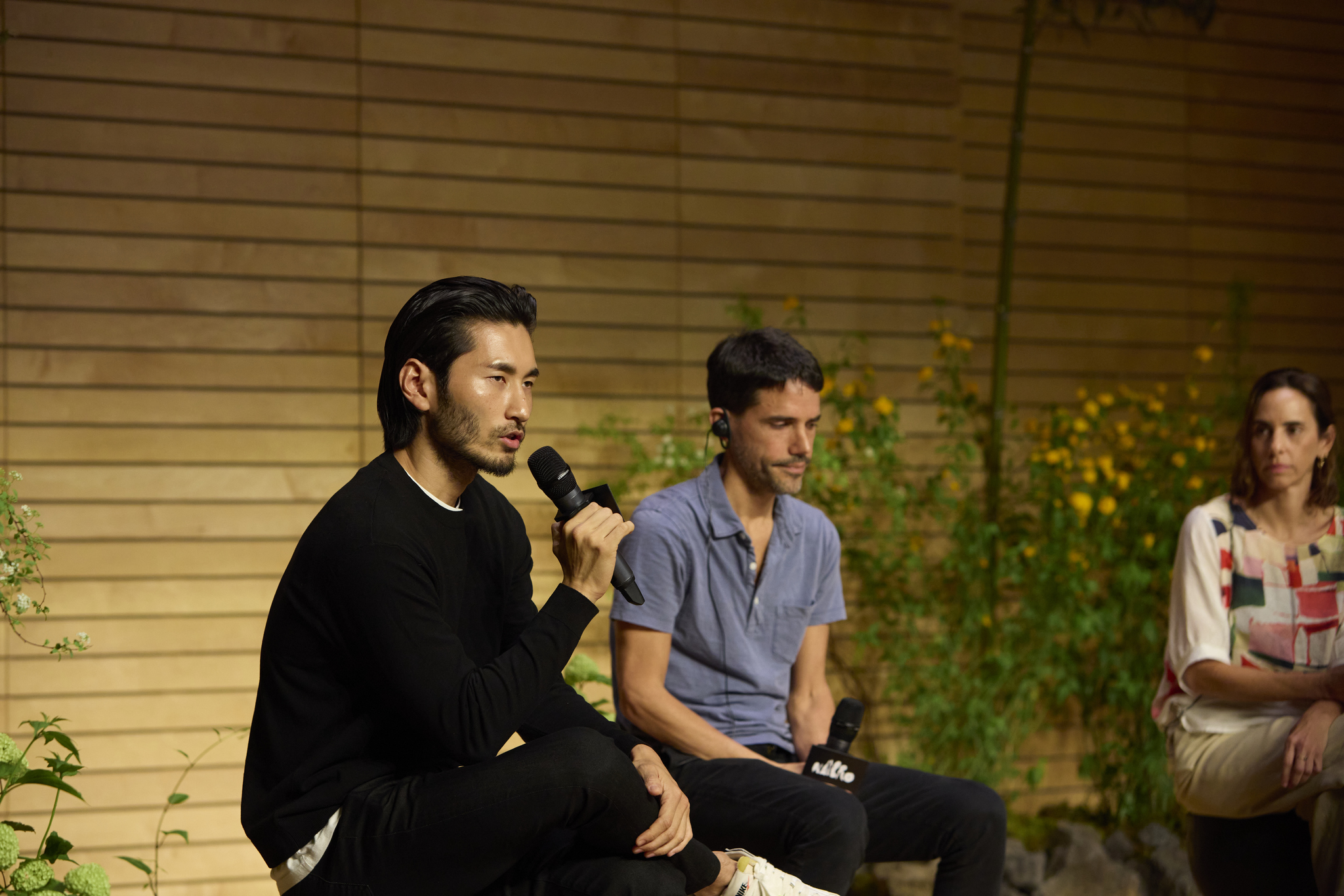
The SPECIAL section brought in the chefs of Central and Disfrutar, first-place winners in 2023 and 2024 at The World's 50 Best Restaurants respectively. Both restaurants are known for expressing a clear identity and creativity — and through their experience and cases, we spent time thinking about what identity and creativity Hansik should generate next, and how.
Concept, technique, and creativity
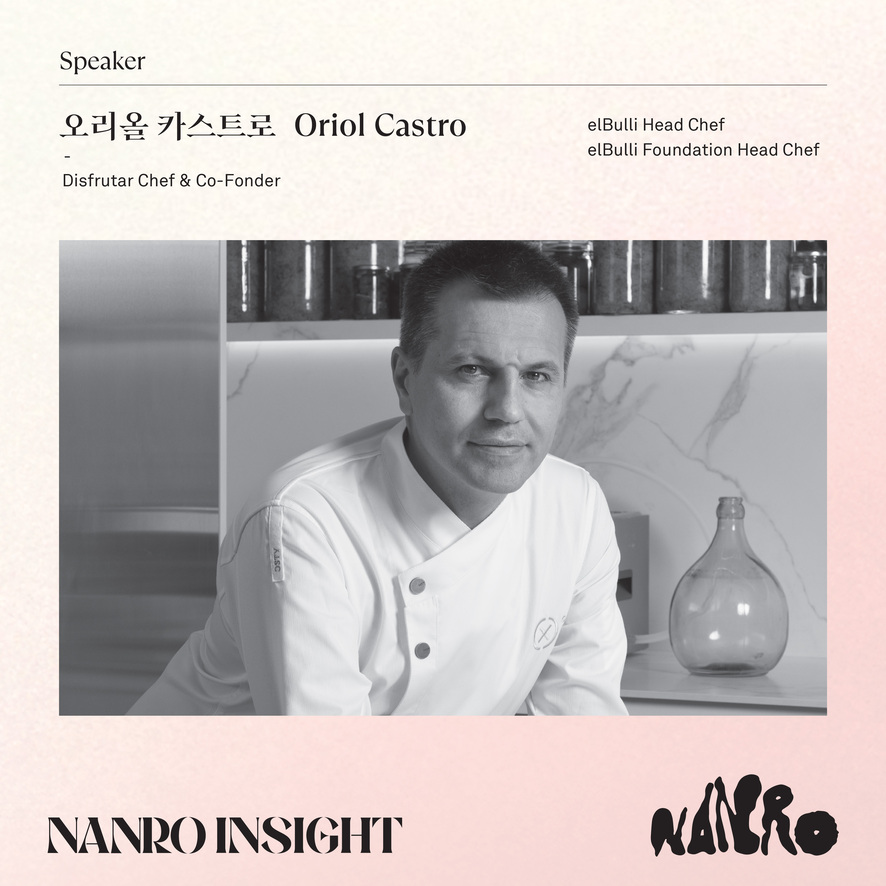
▶ Oriol Castro, Chef, Disfrutar
"Carrying tradition forward matters, deeply. But we have to go past just enjoying tradition — the culture and philosophy inside it have to be developed and handed on to the next generation. And at the same time, we have to make food that isn't only about filling a stomach — food that can fill a soul with concept, technique, philosophy, history, creativity."
Creativity: linking technique, concept and tradition
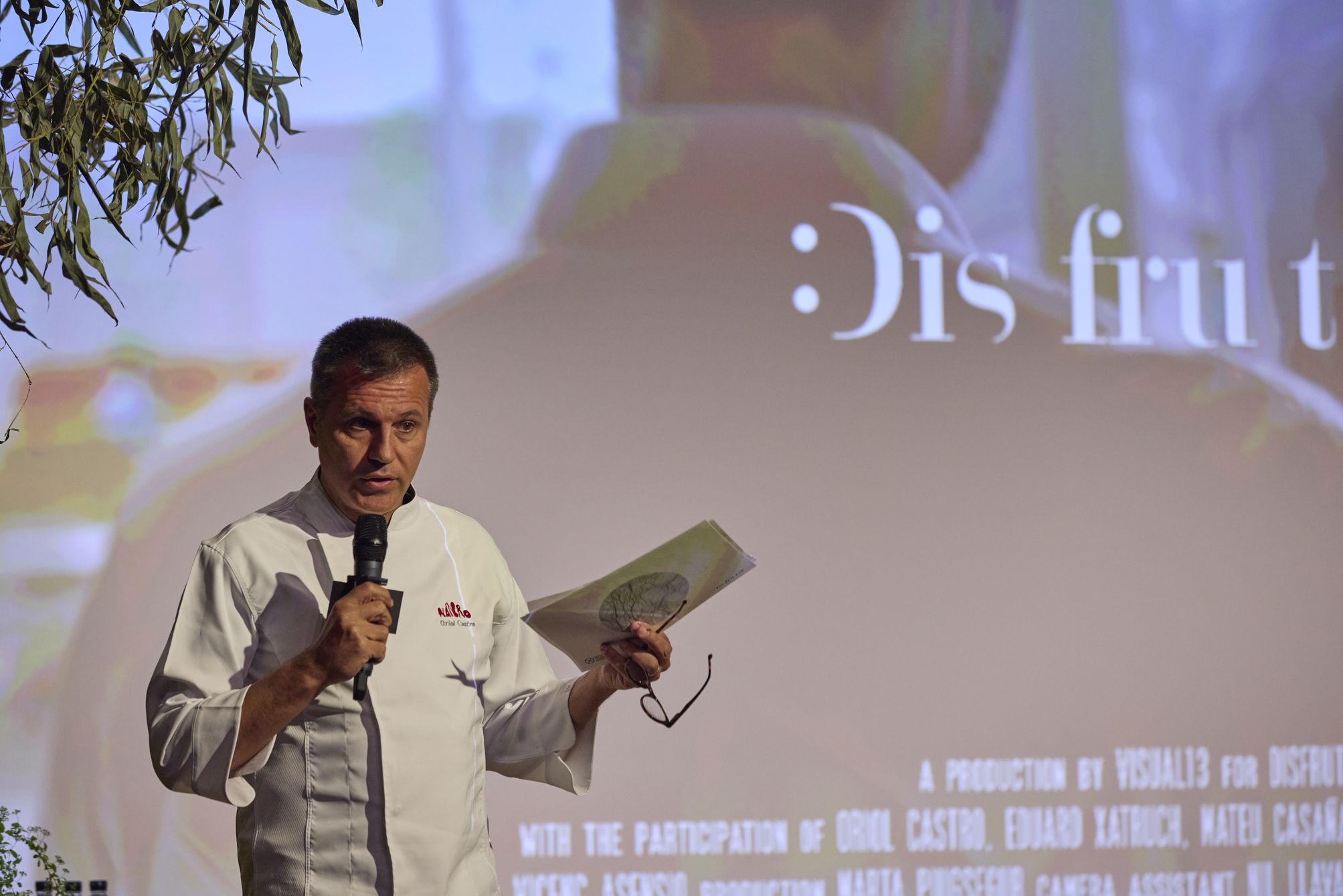
Disfrutar takes creativity and emotional connection seriously as things a dish carries. There's philosophy and emotion inside the cooking, Castro said, and what matters is letting the guest fill their soul through it. He kept going: creativity, he said, can come out of the process of acquiring technique, of adopting a concept, and of reinterpreting tradition.
Oriol Castro, Chef, Disfrutar:
"Our guests can have the experience of filling their soul through what they eat. Cooks put philosophy inside the cooking — the way a painter puts philosophy and story inside a picture, the way an artist does inside a work.
We define ourselves as a creative restaurant, and we take up the latest techniques and concepts. We also reinterpret tradition into a contemporary form and let that reproduce creativity."
Counter current: to flow against
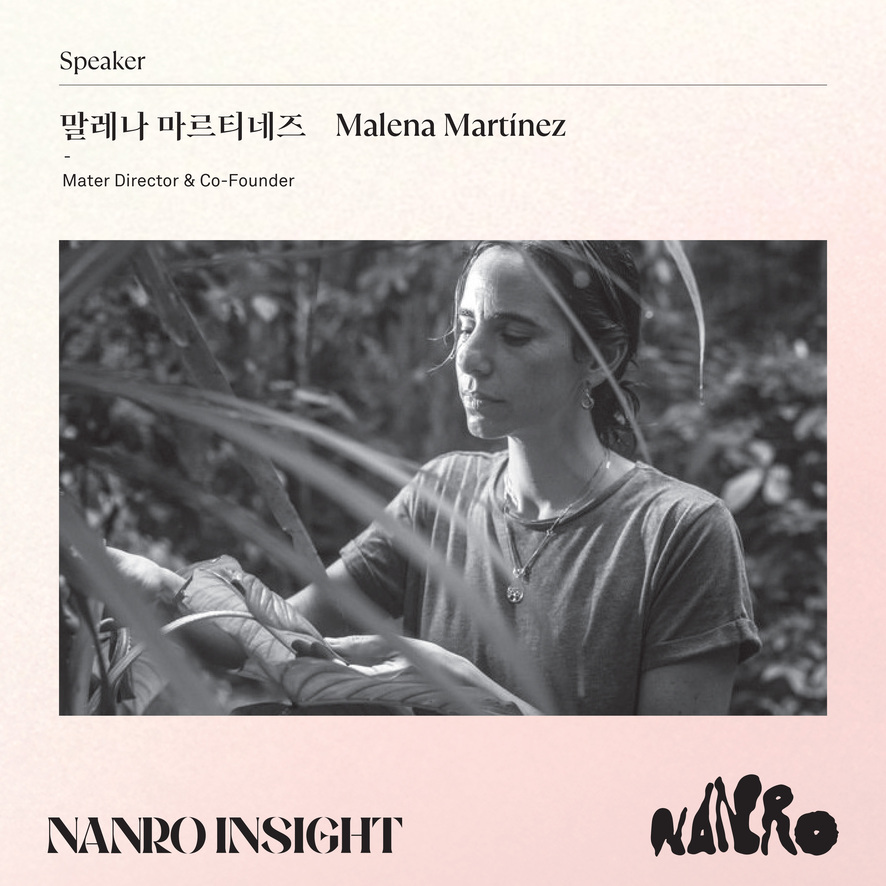
▶ Malena Martinez, MATER
"You can't make what you don't know valuable. To put identity and value into what we make as Peruvian food, we study Peru's ingredients, its languages, its peoples and its cultures. Through that, we're able to express all of Peru with value inside one dish — and through the food, we get to share Peru's ecosystem with our guests. That is our effort not just for our food but for Peru's ecosystem. Because what people don't understand tends to disappear."
Where tradition, ecosystem and innovation meet
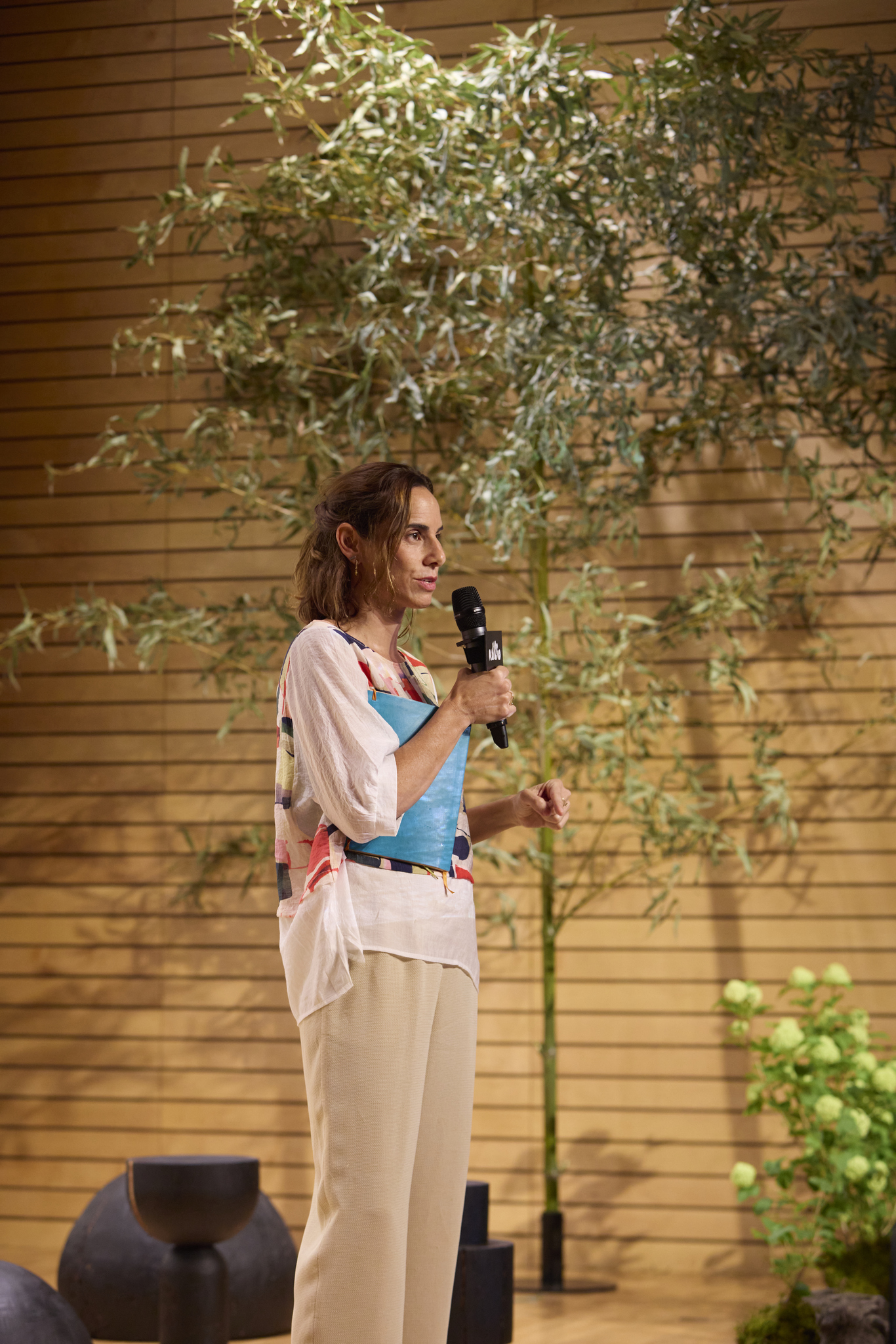
Central's research arm, the Mater institute, aims to let guests experience nature and culture through food that carries Peru's many ecosystems and cultural backgrounds. Traditional knowledge and ingredients are folded into contemporary cooking, and steady study and research push the innovation of both cooking and food culture.
Malena Martinez, MATER:
"We don't see cooking as simply the process of making something delicious. Instead, we see cooking as a way to connect our environment, our culture and our people. Peru holds one of the most diverse ecosystems in the world — every region has its own ingredients and cultural background. The many varieties of potato grown high in the Andes, or the rare fruits found in the Amazon rainforest, are examples.
Rather than simply using the ingredient, we want to carry the environment it was grown in and the story it holds. The herbs and plants we use, for example, are closely tied to traditional medicinal practice in those regions. Through that, guests who visit our restaurant will do more than taste the food — they'll experience Peru's nature and culture. Our goal is for guests to feel Peru's identity, and understand this country's rich heritage, through one plate.
But our journey doesn't end here. Real innovation in cooking and food culture needs steady study and research. In many parts of Peru, traditional knowledge is slipping away, and that has an enormous effect not just on cooking but on culture and the environment. One of the biggest gaps we face is this shortage of knowledge. That's why we work with local residents to record their knowledge and experience, and try to fold it into contemporary cooking. This is more than restoring lost knowledge — it's a process that gives depth and meaning to our food."
Climate change and sustainable Peruvian food culture
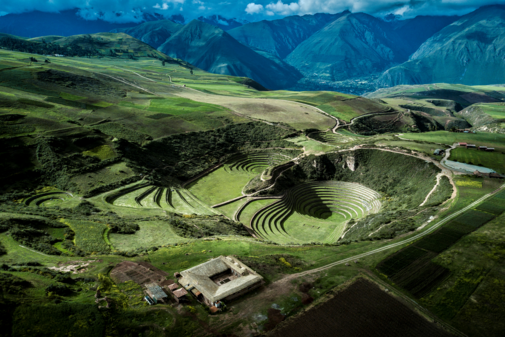
The MATER institute also puts considerable effort into researching how climate change is affecting ingredients — the better to carry a sustainable food culture forward.
Malena Martinez, MATER:
"We also do a lot of research on climate change and the shifts in ingredients that come with it. That's crucial for developing sustainable agriculture and ways of using ingredients. For example, we look for possible substitutes for when a particular ingredient can no longer grow because of climate change, or we study farming methods that can adapt to a changing climate.
At the restaurant, we serve tasting menus built on the results of that research, introducing the ingredients and culture particular to each region. Through them, visitors experience Peru's many ecosystems and cultures in a single meal, and come to understand our philosophy of sustainability. Our aim isn't simply to serve delicious food — it's to build a sustainable future through that food."
Curating the past
▶ Virgilio Martinez, CENTRAL
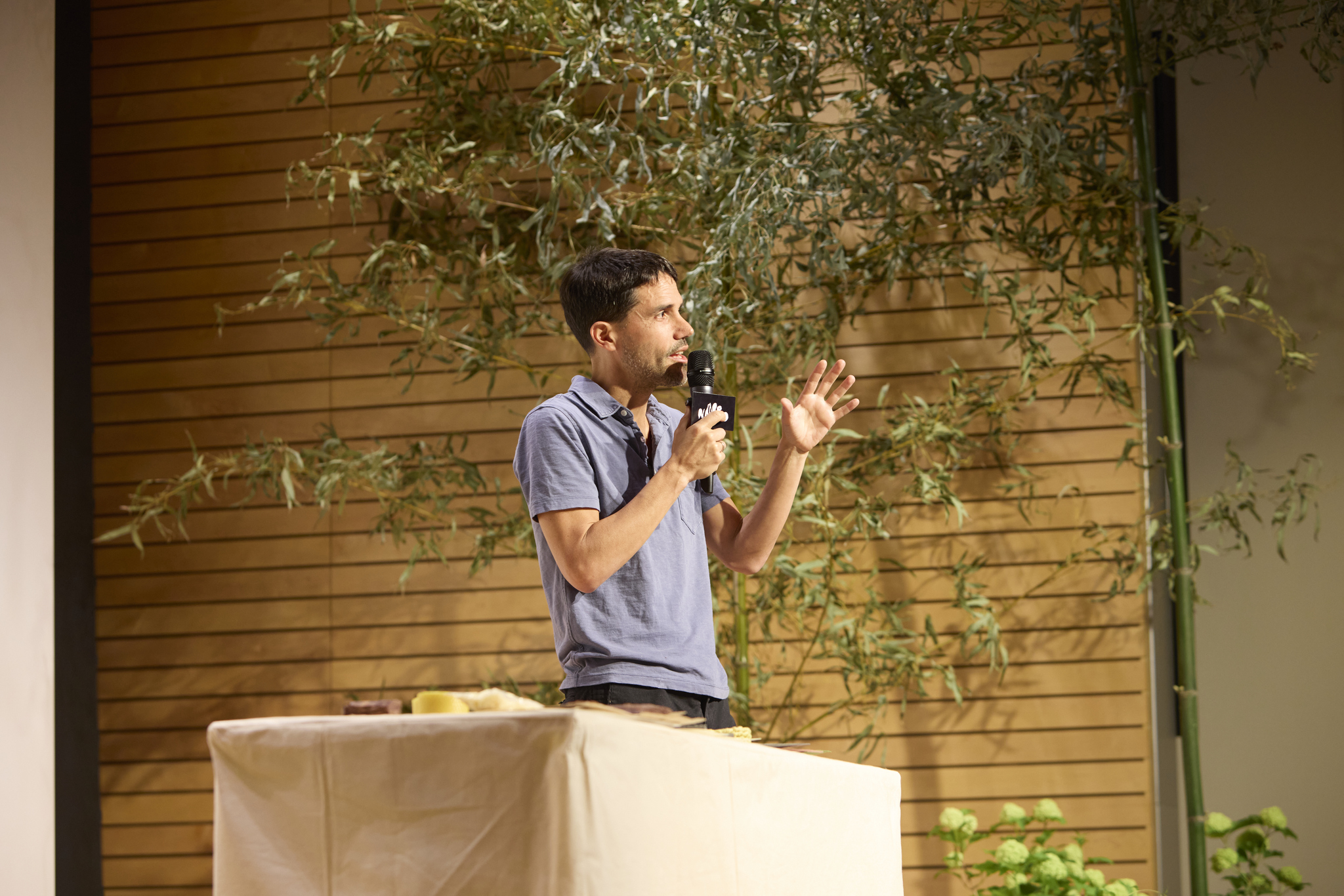
"We study Peru's ecosystems and try to pull the beauty that belongs only to Peru onto the plate. So that when the guest gets here, they think it was worth it. What comes after a satisfying experience is sharing. They can go home and try to recreate the dish, or post an impression or a photo to social media. That's why I think our cooking begins very locally and ends looking outward at the world."
Peru's food-culture ecosystem
Peru sits between the Pacific, the Andes and the Amazon, and holds many ecosystems as a result. Central develops menus that reflect that Peruvian ecosystem and, beyond the food itself, takes on the role of introducing Peru's nature and culture to the world.
Virgilio Martinez, CENTRAL:
"When you talk about Peru's vast ecosystem, one thing you can't leave out is the Amazon. New Amazonian fruits and plants — new ingredients — are still being discovered even now. CENTRAL keeps studying the ecosystems of Peru, the Amazon included, and reflects them in our cooking so that Peru's ecosystem lands on the plate. The reason we cook this way is that we're doing more than using ingredients to make food — we're honouring and protecting the environment the ingredient grew in, and its culture."
What fine dining is for
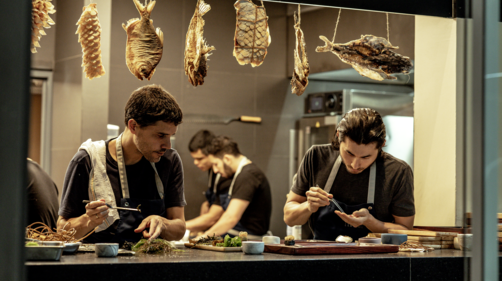
Fine dining has grown past luxury food into something that gives guests a particular experience. Central in particular is developing sustainable menus built on local ingredients and working to offer something only Peru's fine dining can give.
Virgilio Martinez, CENTRAL:
"Peru's altitudes are truly varied. Because the ingredients that grow at each altitude are all different, the range of ingredients is huge. We introduce that quality of Peru's ecosystem through the concept 'Mundo en desnivel.' Ingredients that stand in for each altitude are turned into dishes for the guest, and through them the guest experiences something like climbing from Peru's ocean up to the highest altitudes. It helps people understand Peru's geographic and ecological range, and it's something you can only feel in Peruvian fine dining. It's our own memorable point of difference."
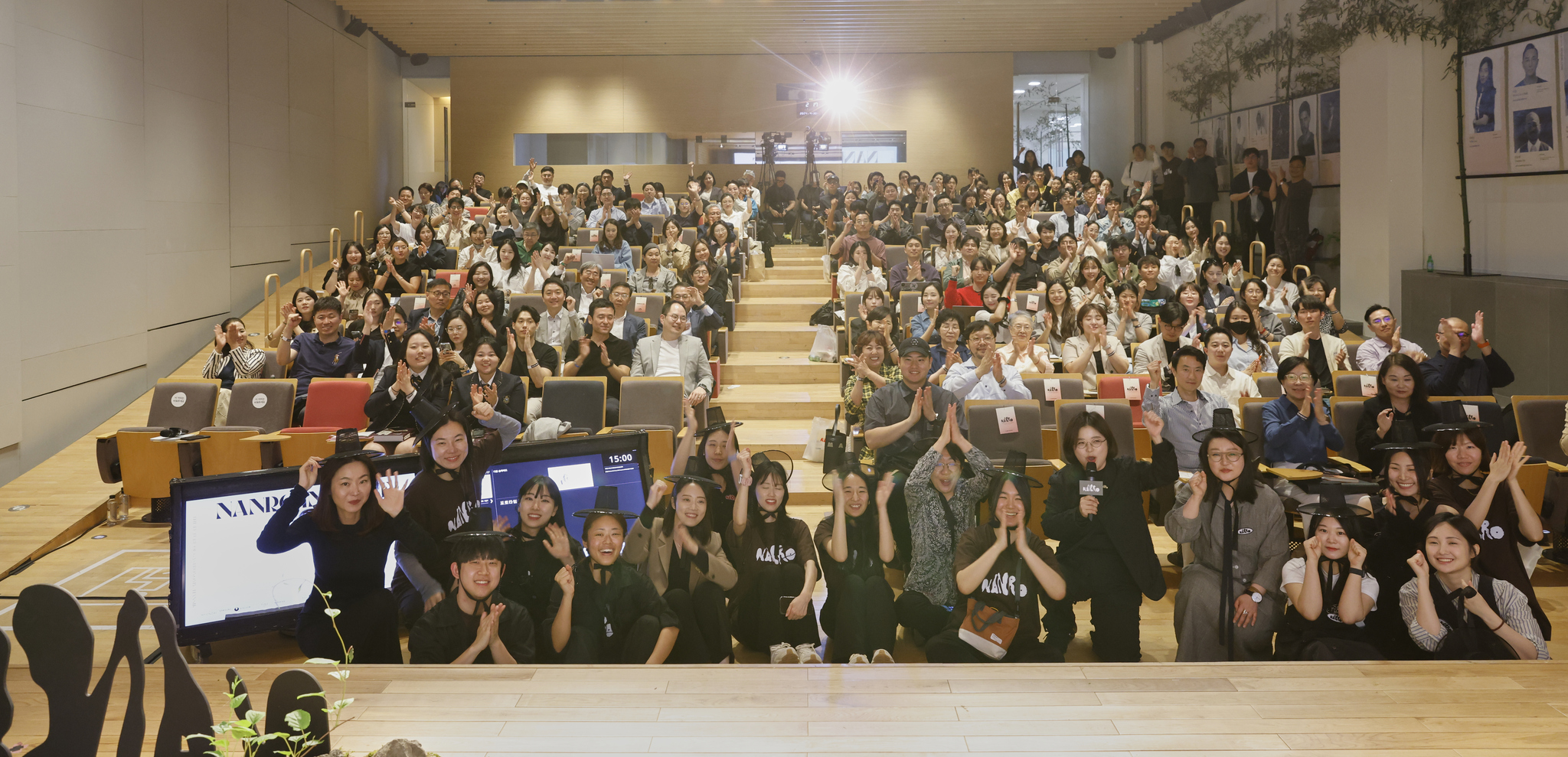
And with that, the two days at the Leeum Museum of Art — "2024 Nanro Insight <The Future of Gastronomy: Talking HANSIK>" — came to a close, leaving both a lot of answers and a lot of new questions behind. Two days was surely not enough to define Hansik or understand it fully. But we hope the links between us — the ones running through Hansik — are stronger for having been here, and that on that ground we can go on building a sustainable Hansik ecosystem together.