2024 Nanro Insight <The Future of Gastronomy: Talking HANSIK>: GLOBAL
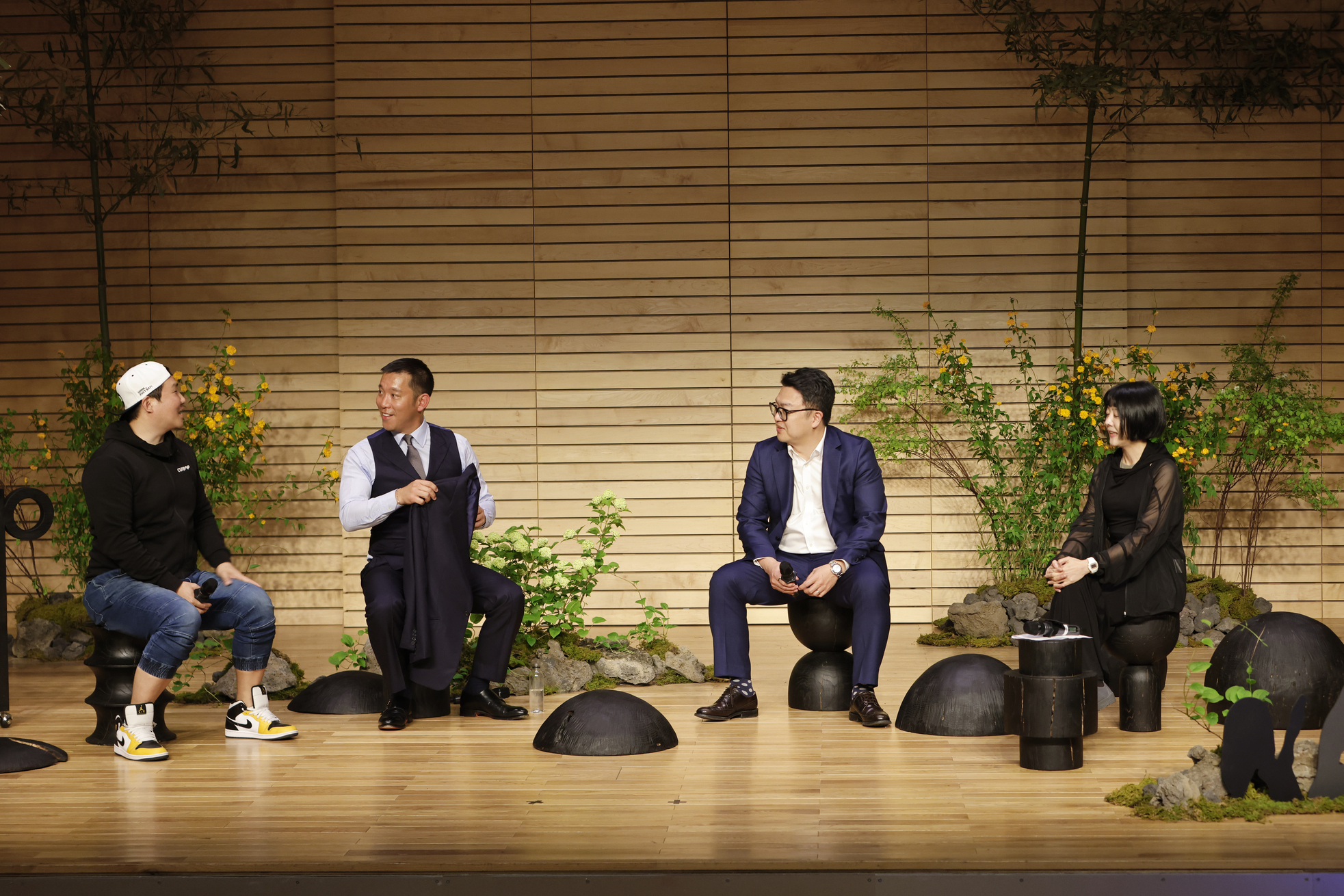
As Hansik's standing rises, it's not only K-Food eaten and enjoyed inside Korea that's taking off — K-Food out in the world is drawing crowds of its own. How exactly is Korean cuisine putting down roots abroad? Under the GLOBAL theme, we spoke with Seo Mi-jin (Brand Manager, Nongshim Noodle Marketing Team), Song Jung-hun (CEO, CUPBOP) and Kim Jong-soon (CEO, YORI) about F&B cases and firsthand experience overseas.
K-ramyeon: past Korea, reaching the world
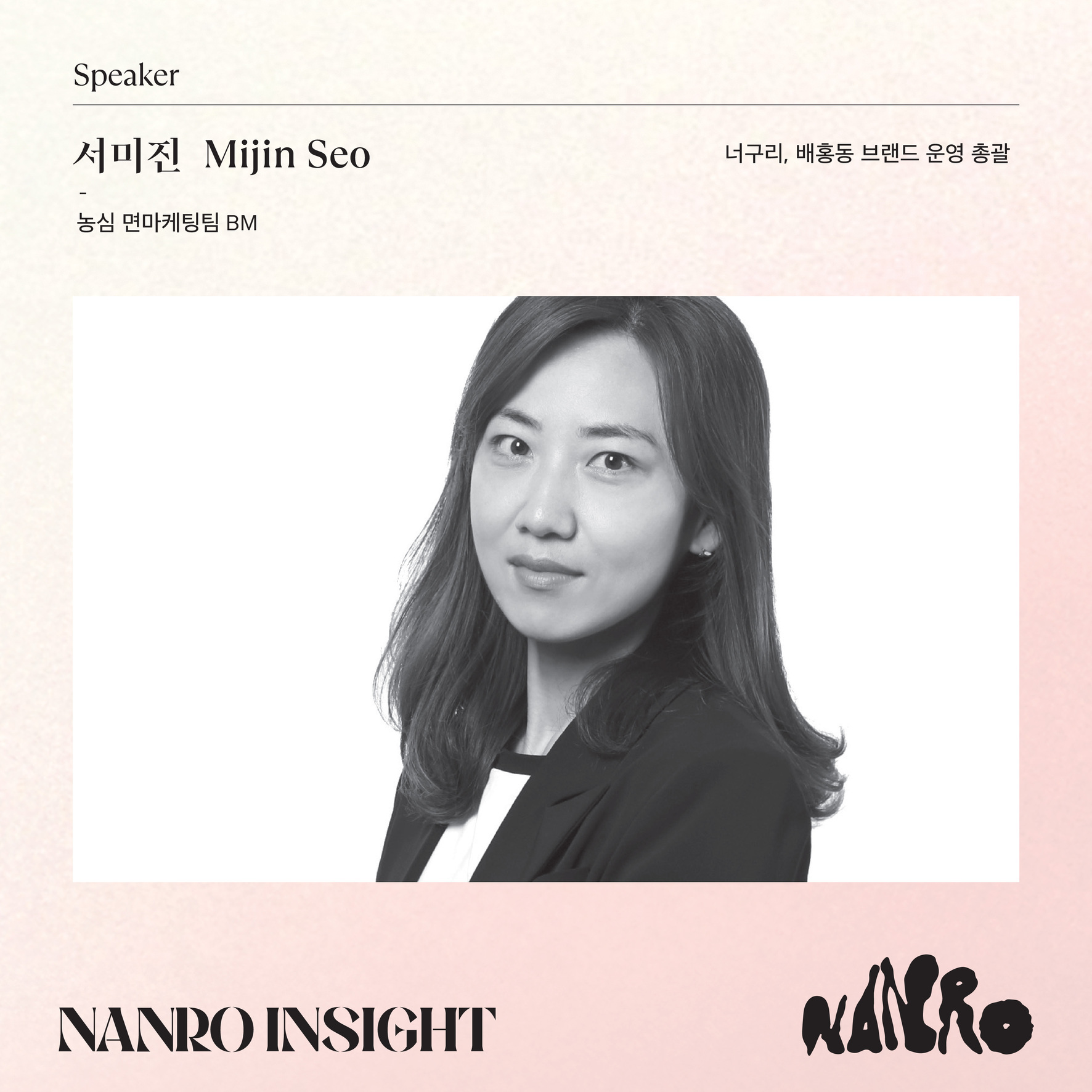
▶ Seo Mi-jin, Brand Manager, Nongshim Noodle Marketing Team
"A portion size that fits Koreans, the beefy, spicy flavours Koreans love — Nongshim was the first company to put a 'Korean' coat on ramyeon. And now, as the standard-bearer of K-Food, Nongshim's ramyeon isn't just food anymore — inside K-content, it's becoming one of the cultural elements that represents Korea itself."
Ramyeon as K-Food: role and future
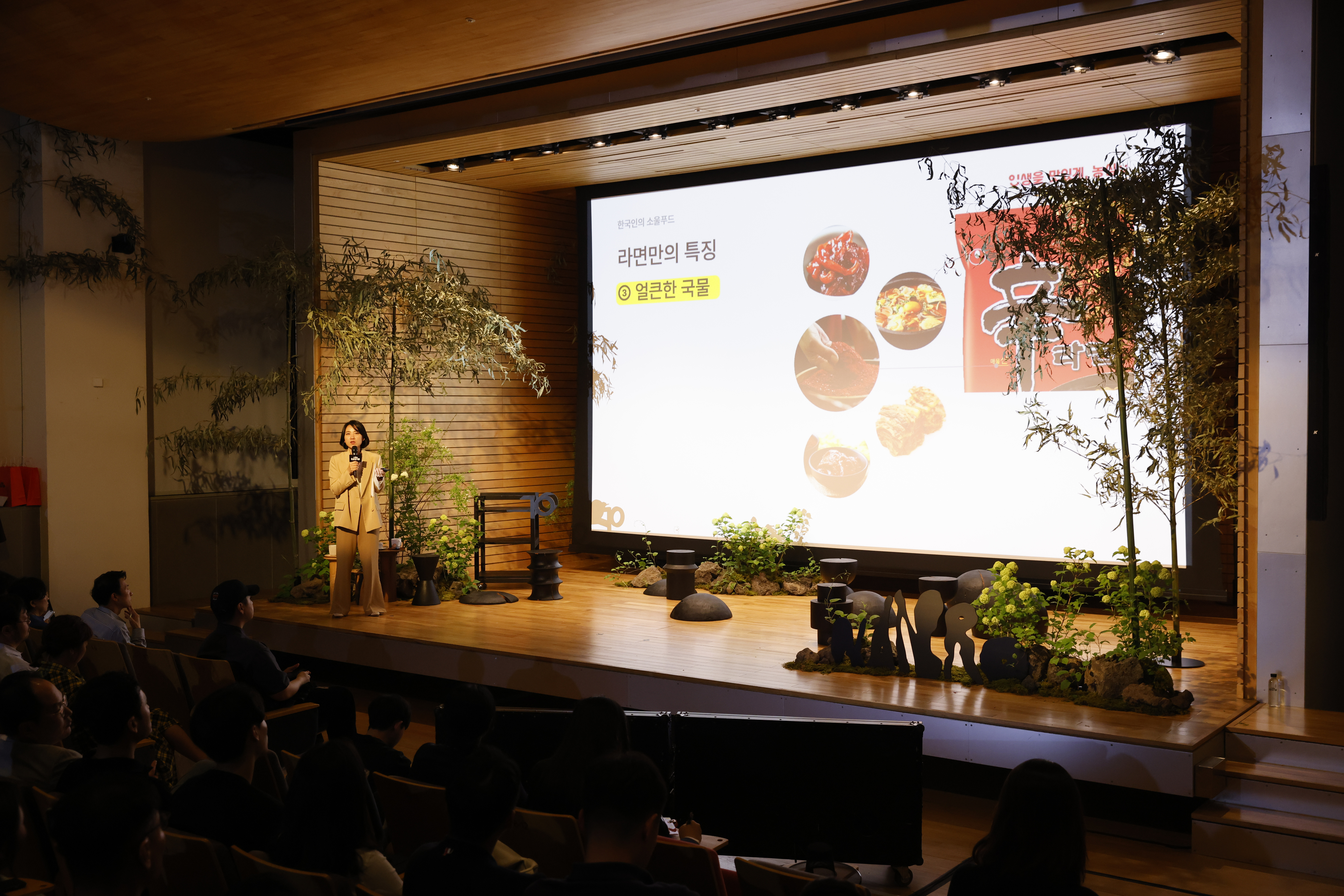
Ramyeon settled into place as Korean soul food thanks to a low price, a wide range of flavours and the ease of cooking it. As Hallyu grew, Korean ramyeon caught the world's attention with it, and once overseas celebrities began introducing it, Shin Ramyun became easy to find in major cities. Nongshim set out its goal: use Korean ramyeon as the standard-bearer for Korean flavour around the world, and turn the soul food of Koreans into the soul food of everyone.
Seo Mi-jin, Brand Manager, Nongshim Noodle Marketing Team:
"Ramyeon has been with us through the whole of our lives. That's why CNN in the US called Koreans' ramyeon Korea's soul food — indispensable to us. On per-capita annual ramyeon consumption, Korea comes in second in the world.
Hallyu is pulling audiences everywhere. K-Food, K-Film, K-Pop, K-Drama — that 'K' mark has become Korea's badge of assurance, consumed as many kinds of content by people all over. Overseas celebrities have shown their affection for Korean ramyeon by sharing it in their daily lives, and that has lifted global curiosity even further. In New York, LA, Switzerland, Chile — the sight of non-Koreans eating Shin Ramyun in these cities is no longer strange. Eating Korean ramyeon there has become a cultural code in its own right. It's turning into food that locals genuinely enjoy.
Riding that wave, Nongshim is doing all sorts of work around the world as K-Food's standard-bearer, sharing Korean flavour through Korean ramyeon — even down to pushing the World Instant Noodles Association to change how it names 'ramen.'"
How to make an unfamiliar food feel familiar
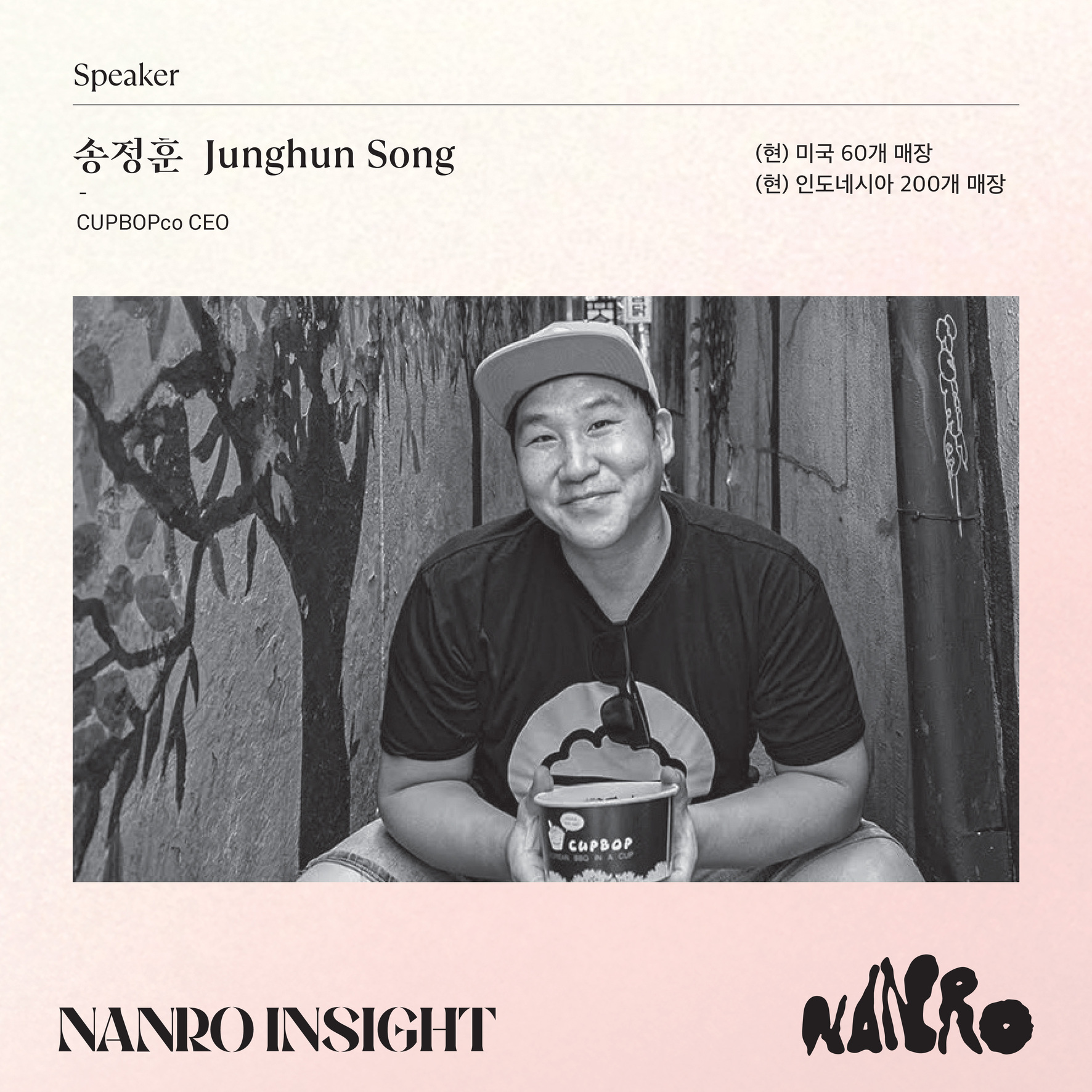
▶ Song Jung-hun, CEO, CUPBOP
"People don't want to eat unfamiliar food. So we use jeong, deom and heung — the soul of Korean food culture. We show up at schools and hand out food. We teach K-pop. We make sure people meet our food from a young age, so bit by bit, Hansik stops feeling foreign to them."
CUPBOP's rise
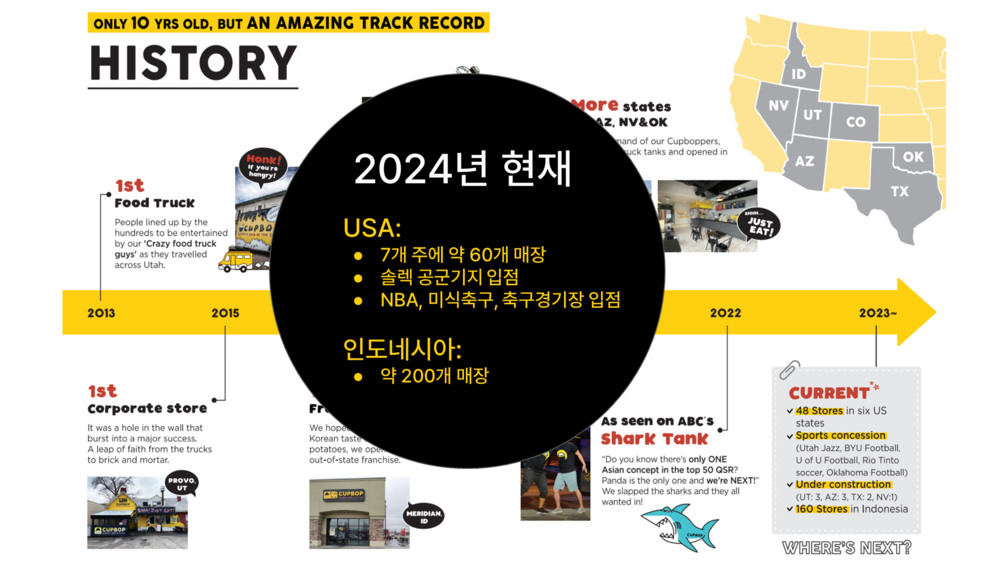
Inspired by Noryangjin cupbap, CUPBOP built success in the US and Indonesia on simple, fast service. It offers customisation across many sauce levels and gets attention through inventive social-media marketing. Eleven years ago Song started with a single truck; today he runs hundreds of locations across the US and Indonesia.
Song Jung-hun, CEO, CUPBOP:
"A cup goes out every thirty seconds. I took an idea from Noryangjin cupbap, brought it to the US, and started selling an American version of cupbap. We have ten sauce levels, one through ten. Some people come in and order a 1, but we can make you a 7.5. Eleven years ago I started with one truck; now we have around 60 stores in the US and about 200 in Indonesia. CUPBOP has never wasted a dollar. We drove the truck, saved money, built the second one, then a store — for eleven years we've never wasted anything, never taken outside investment, and grown by ourselves."
How to reach people through Hansik
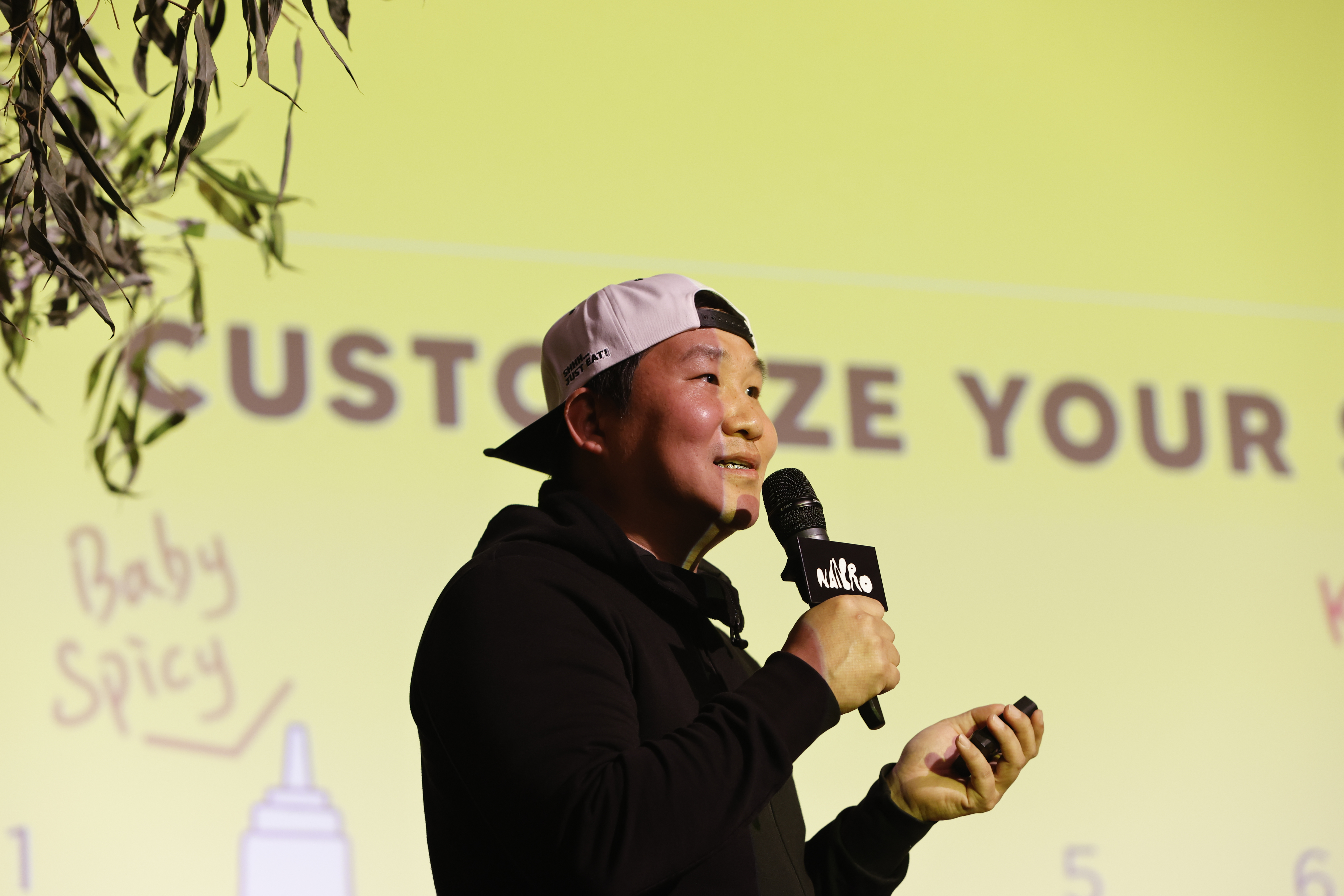
CUPBOP spreads Korean food culture on the ground with the values of jeong, deom and heung, mainly through talking to children in the places it operates. Song argued that if Korean restaurants want to achieve more in the global market, they'll need to try more and work harder — and stressed that deep-rooted preparation and a willingness to attempt things are essential. He urged Korean chefs to step onto the world stage as if representing the country.
Song Jung-hun, CEO, CUPBOP:
"People don't want to eat unfamiliar food. We show up at elementary schools, middle schools, high schools and universities every month. We turn up during lunch, teach K-pop, hand out food, hand out coupons. That's the Korean love I believe in — jeong. We share it with people so our brand stops feeling foreign to them from a young age. Same thing Apple did, same thing McDonald's did.
Hansik still feels unfamiliar in some places, but I think it has real room in the global market. What's a shame, though — even in Utah, more than 70 percent of Korean restaurants are run by Chinese owners. I'm not saying you should get on a plane to the US right now. I'm saying — take a look at how wide the world actually is. There are so many places we could go, so many places we could try.
And please don't be afraid of failing. I've failed a lot, and the more you fail the more mattresses stack up under you. So no matter how high you fall from now, it doesn't hurt anymore. So even if it means failing, put some courage down as an attempt."
YORI: the growth story of a Korean restaurant in the UK
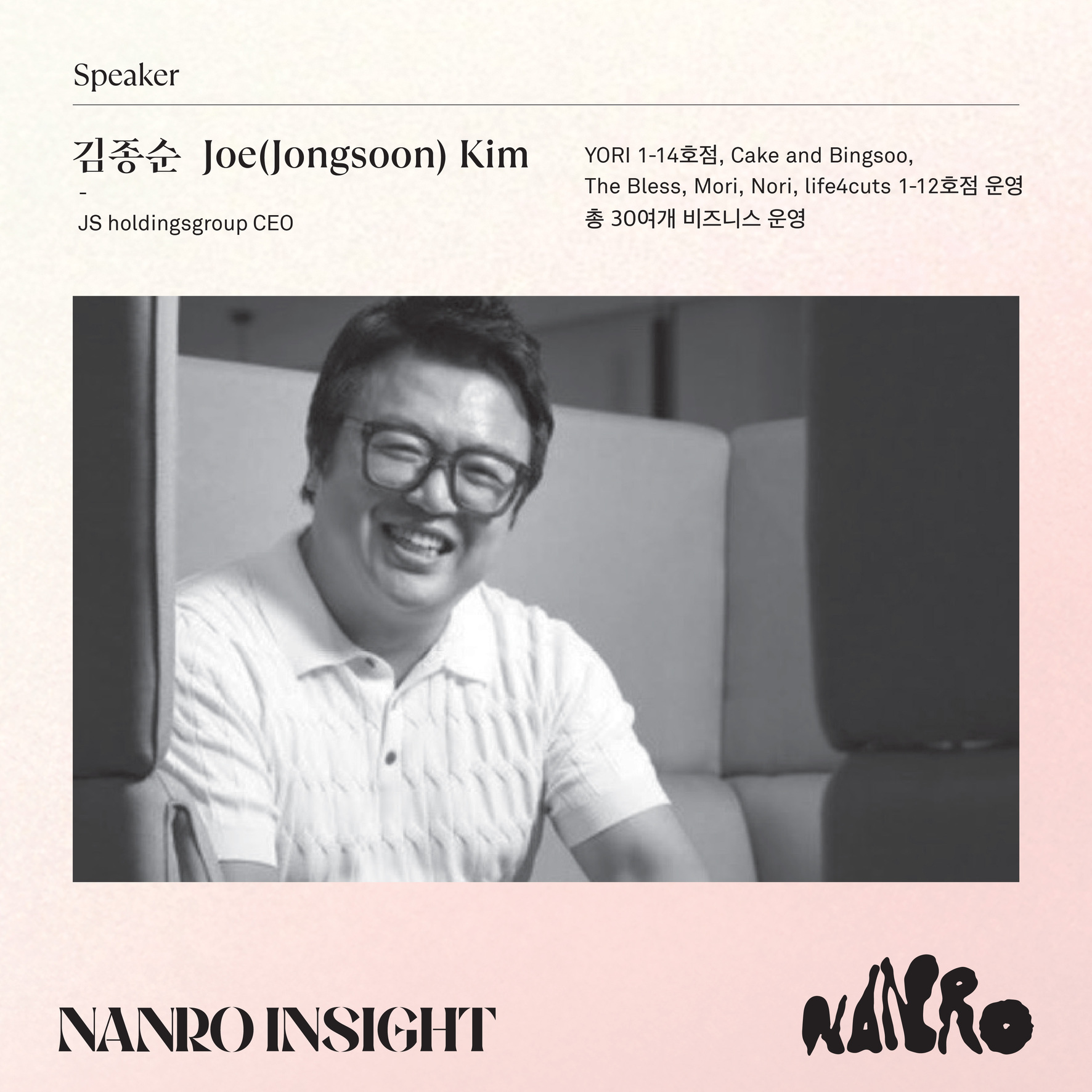
▶ Kim Jong-soon, CEO, YORI
"You have to build a business that lasts. Not one good month or two — sustainability has to be baked into the rhythm of the business. And as important as durability is flexibility. So the team doesn't slip into complacency, so you can respond when a shutdown lands out of nowhere — flexibility inside a systematic, efficient structure."
Hansik catches the Hallyu wave
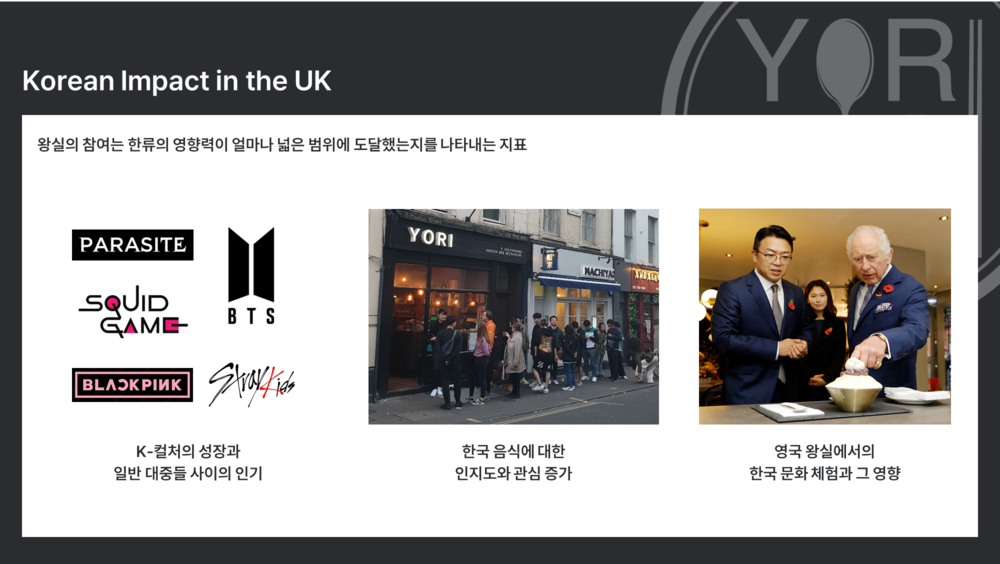
When Kim launched YORI in the UK, plenty of people were sceptical about Hansik, and his moves left plenty of others puzzled. Now, though, YORI runs 36 brands and works with about 400 people, moving through the UK and across Europe, turning question marks about Hansik into exclamation points. How did YORI grow a Korean-food brand successfully across Europe? Kim's answer: it was possible because it moved with the Hallyu current.
Kim Jong-soon, CEO, YORI:
"Hallyu is inseparable from our company's growth. Seven years ago when I started the first Korean restaurant, plenty of people were sceptical — but as Hallyu grew quickly, demand for Korean restaurants grew with it. King Charles's visit was one moment that made the popularity plain to see.
Hallyu didn't come in like a wave that arrives and pulls back — it's already settled deep into British society. Inside that context, our strategy has been to use Hallyu in marketing: partner with a range of businesses to create new stories and push brand exposure as far as possible.
Some people worry the popularity of Hallyu and Hansik will burn out soon. But rather than worrying about Korean culture disappearing overseas, I think it matters more to lead it actively and lay the ground for sustainable growth."
The strength of steady care for guests and team
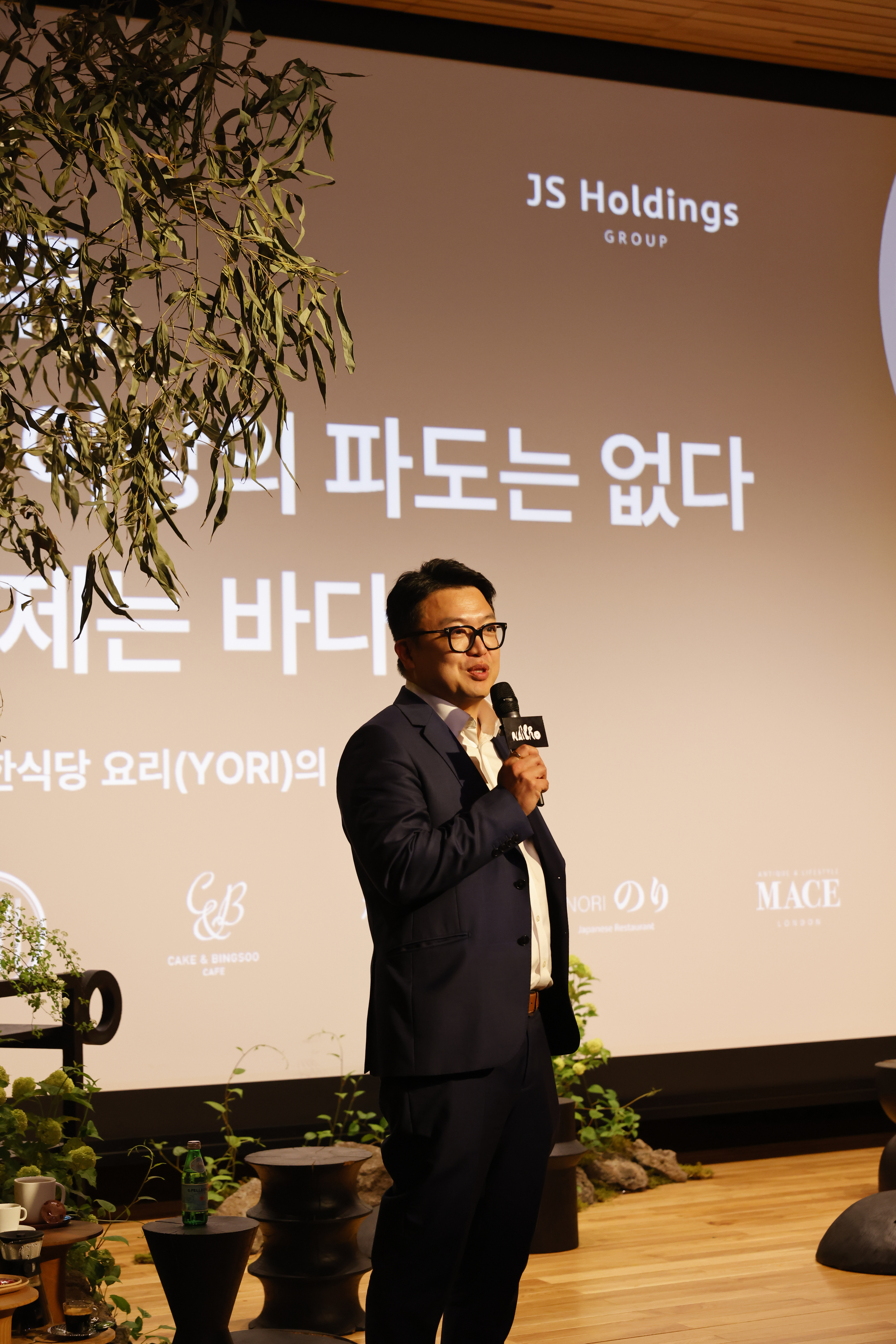
YORI didn't grow on Hallyu alone. Underneath is the discipline of always listening to guests and moving quickly, and a management process built on data. There were hard stretches along the way too — and YORI got through them by staying committed to constant renewal.
Kim Jong-soon, CEO, YORI:
"Opening the first Korean restaurant came with a lot of difficulty. We got past it through constant renewal. Efficient processes gave us structure in how we operated, and staff training and incentive schemes made steady growth possible.
That's our internal efficiency. But if you want a restaurant that runs well on strong operations, in the end you have to know how to listen to the guests who use it. That's why I take customer feedback very seriously. We collect guest voices through Google reviews and built a system to feed them back in. That's why every branch keeps a high review score and guest satisfaction stays up."
Blooming Hansik across the world
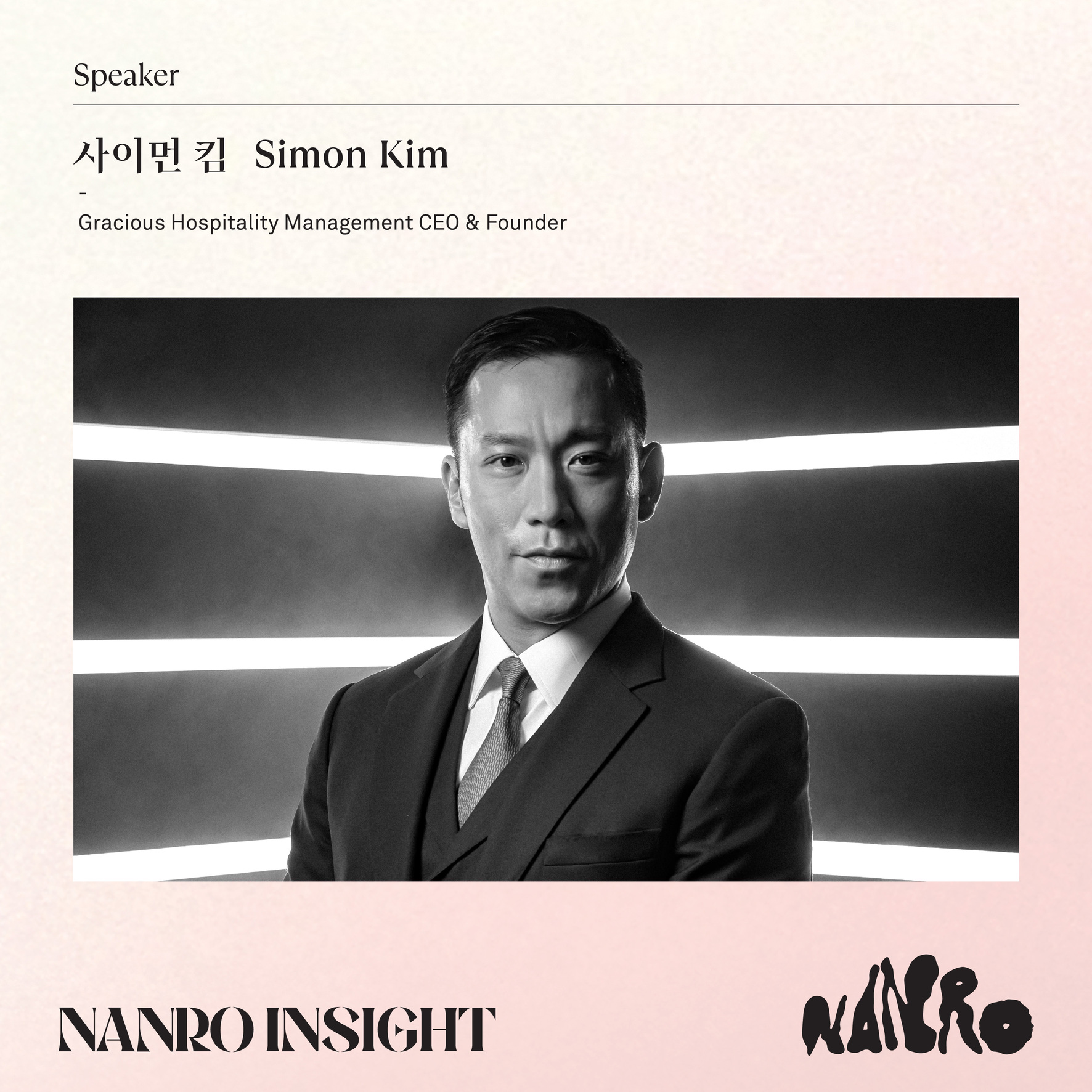
▶ Simon Kim, CEO, COTE
"Try not to keep gathering information and then making decisions about what to choose and what to give up. If there's something you want to do, do it. Rack up the experience, build the things you believe in. Bump into them yourself. Life is something you make for yourself. If I had only listened to other people, my ideas would never have bloomed."
The power of AND
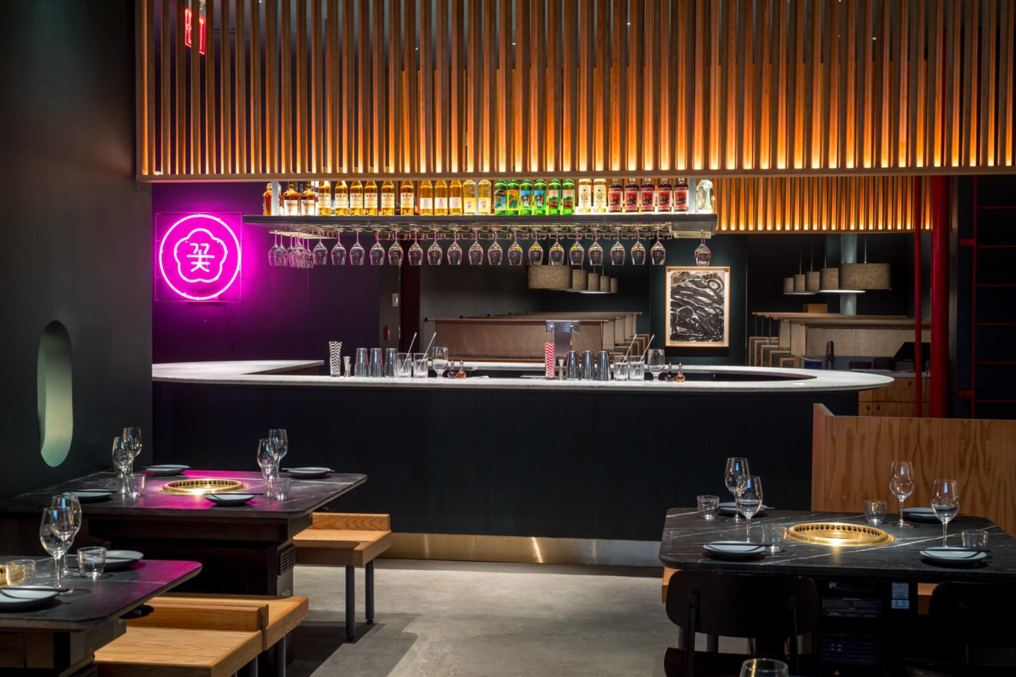
Simon Kim laid out what he calls "the power of AND" — a strategy of taking the best of both options rather than picking one, so as to create the maximum value.
Simon Kim, CEO, COTE:
"Say you have two options, A worth 50 and B worth 50. If you pick one, you end up holding 50. But if instead of the OR of picking one you use AND and take both, you're holding both the 50 of A and the 50 of B — you're holding 100.
The way I like to operate is the AND strategy — take the synergy of the two. That's how COTE was born: a distinctive Korean steakhouse that combines the strengths of Korean BBQ and the New York steakhouse."
Experience matters more than information
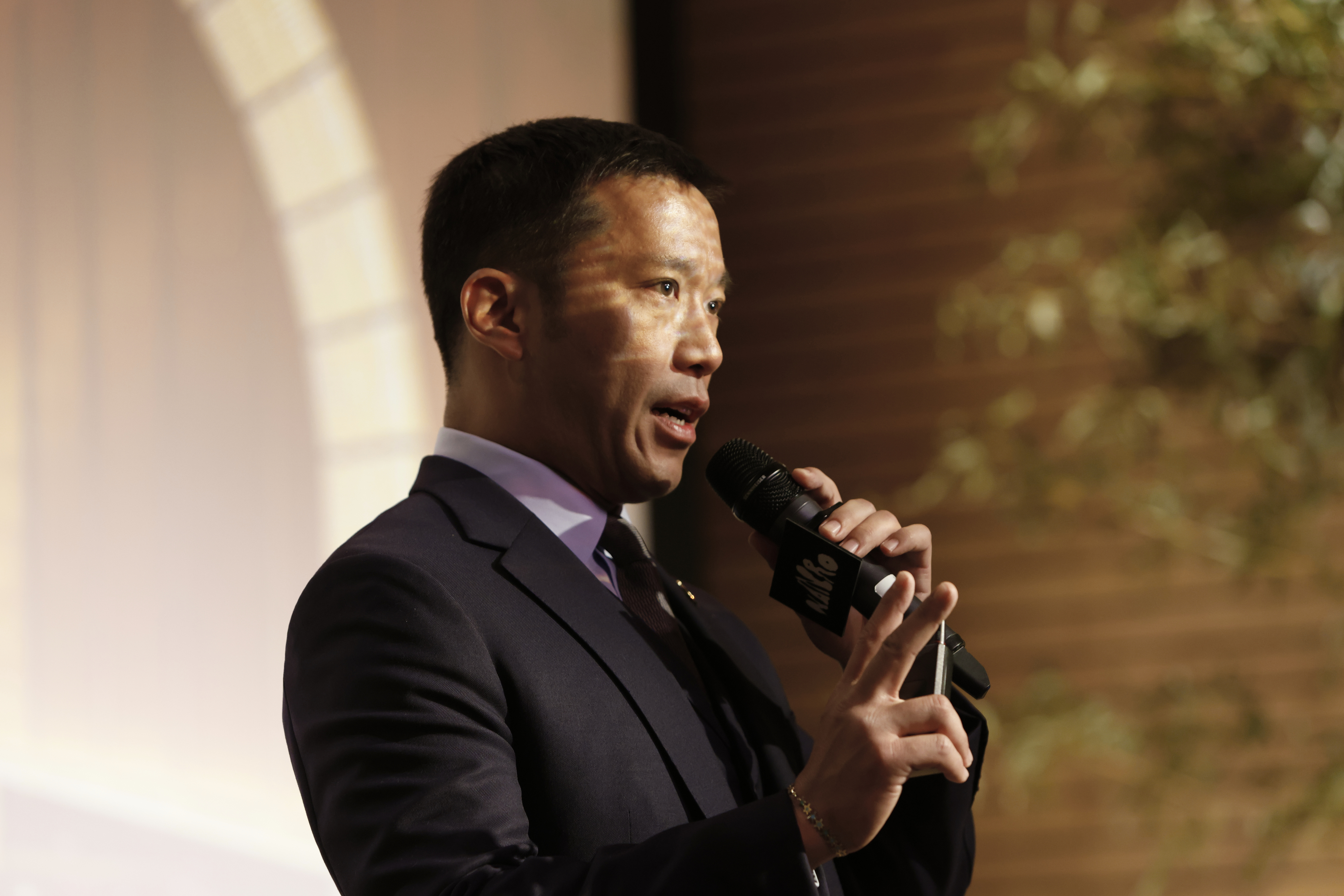
Simon Kim says on-the-ground experience matters more than what's in books. He also stressed that having a firm vision and acting on it matters, and that referring to other people's opinions without losing your own vision is the key to success.
Simon Kim, CEO, COTE:
"The AND strategy isn't automatic. Which means we also have to recognise we can't take everything with us. In other words, don't decide based only on information you gathered before you'd actually experienced anything, or on feedback from the people around you. Your vision and values are something you have to find inside yourself, and you have to know how to head in that direction on your own. Listen to too many voices and the direction you first set can just dissolve. That's not to say don't listen to others. It means treat other people's views as a way to sharpen your own voice and find synergy with them."
Under GLOBAL, we've walked through F&B cases and firsthand experience from overseas. In the final section, we'll be joined by the chefs of Central and Disfrutar — first-place winners in 2023 and 2024 at The World's 50 Best Restaurants respectively — to look at what identity and creativity Hansik should chase, and how to embody them.