2024 Nanro Insight <The Future of Gastronomy: Talking HANSIK>: CONNECT
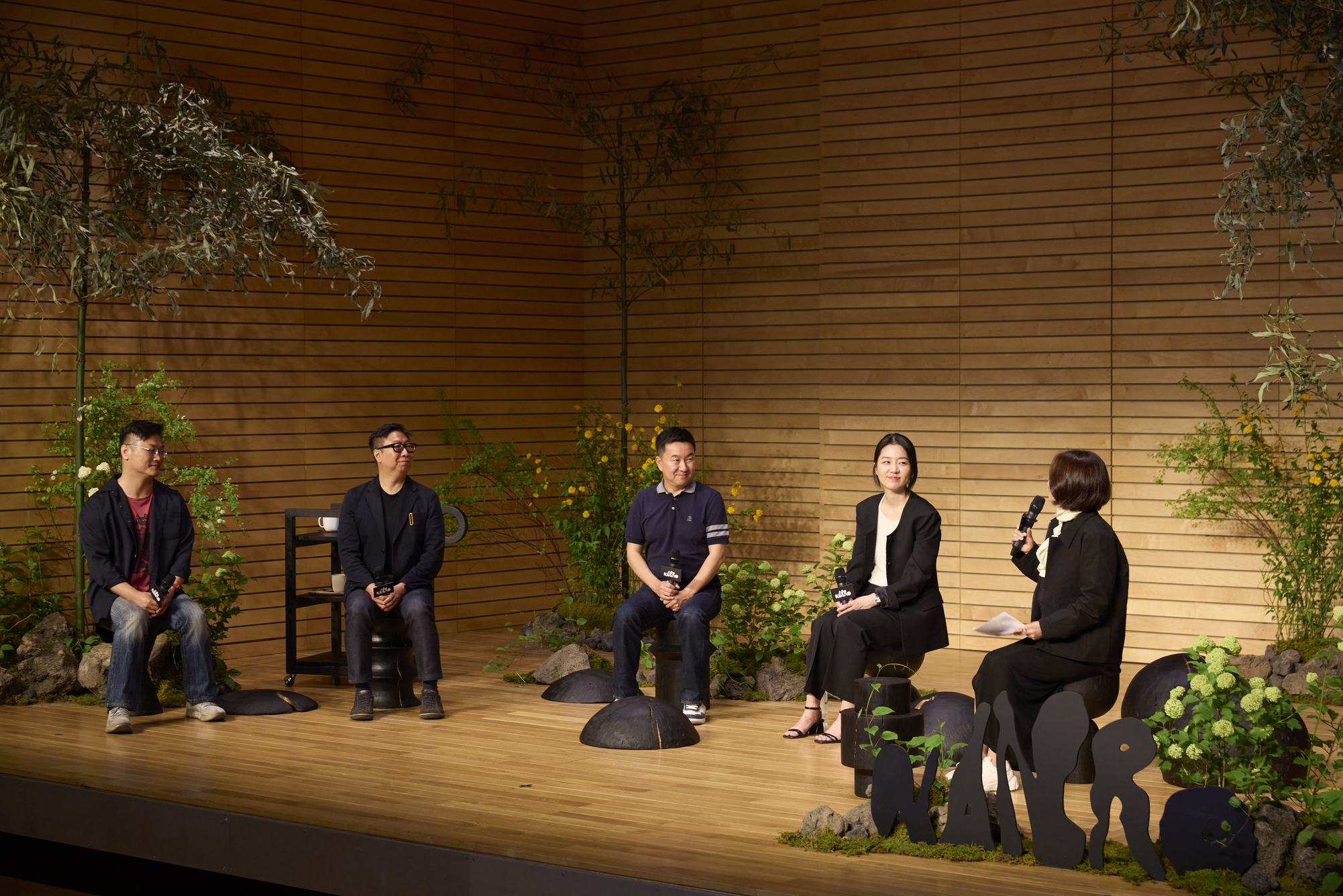
How do we connect Hansik to more people — and what needs to be in place before we can? This piece revisits the CONNECT session, with Park Young-hoon (Director, THEKIT), Yong Tae-soon (CEO, CatchTable), Choi Won-seok (CEO, Project Rent) and Cha Woo-jin (CEO, TMI.FM).
Scaling Hansik as a global experience
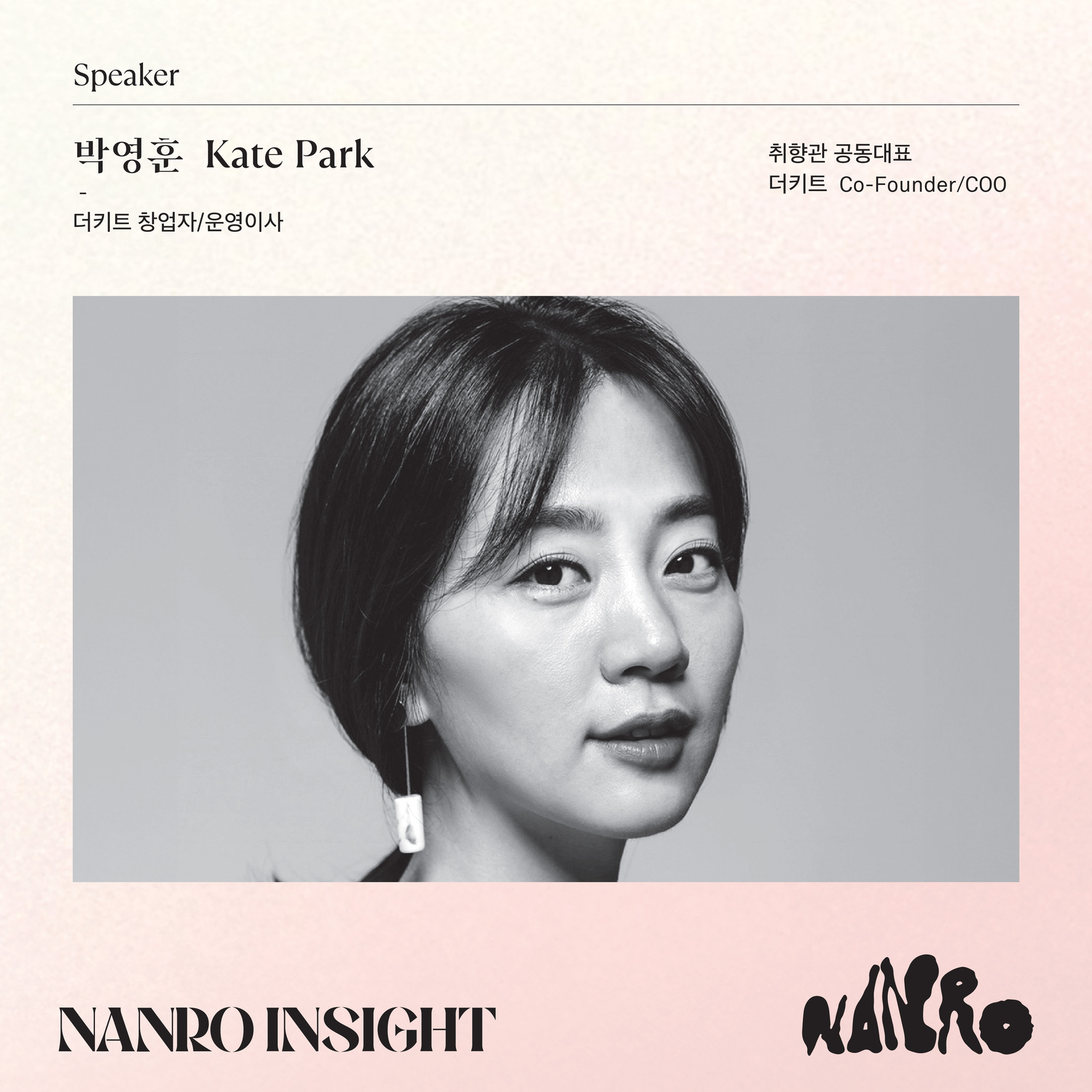
▶ Park Young-hoon, Director, THEKIT
"Try building a marketing platform by stitching influence to influence. Look for partnerships with brands that already have influence, or design a stage where influence can gather — and then pull that influence back toward you. If you make good use of the brands that already have power in the market you want power in, you can build your own influence there efficiently."
Korean culture and food in global markets
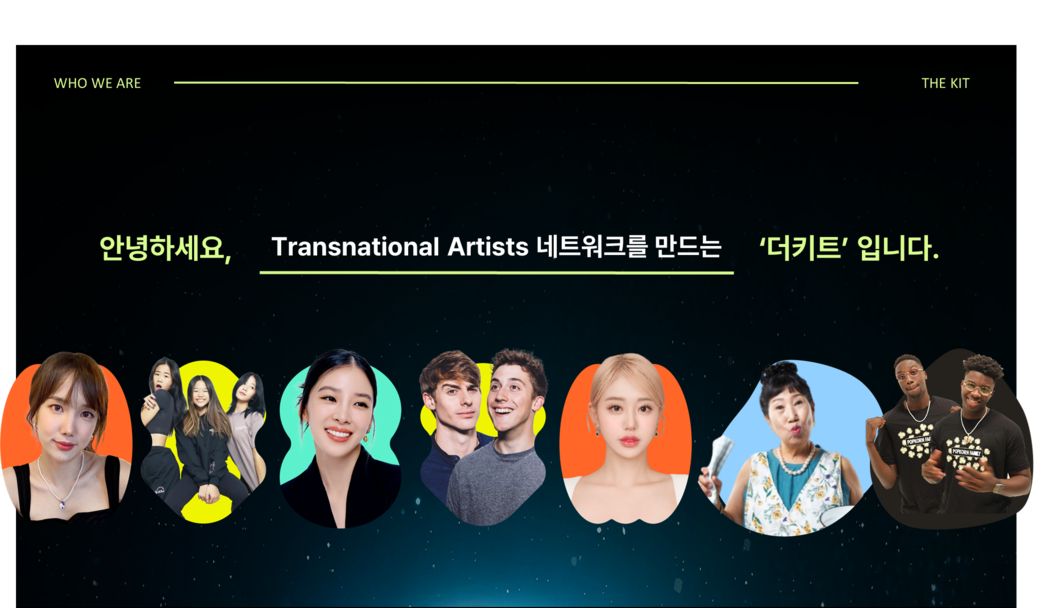
THEKIT has spent the last ten years introducing Korean culture to the UK through the "Korean Englishman" channel. It also works with a range of transnational artists to reach global audiences, and spreads a Korean sense of fun through brands like Picky Wiki, Bamcham and Korean Toast.
Park Young-hoon, Director, THEKIT:
"THEKIT plans content and runs the business behind the growth of the Korean Englishman YouTube channel. Beyond Korean Englishman, we're building a network of transnational artists — Gukabi, Evelin, Iryeon, Juicy Ka, Park Mak-rye and others — who talk to global audiences through their content. We also plan and run brands like Picky Wiki, Bamcham and Korean Toast, giving global viewers a way to experience Korea coolly and enjoyably. As global social platforms like YouTube, Instagram and TikTok have exploded, more and more creators are working across language and culture — and that's the market we're helping build."
Openings and strategies for entering global markets
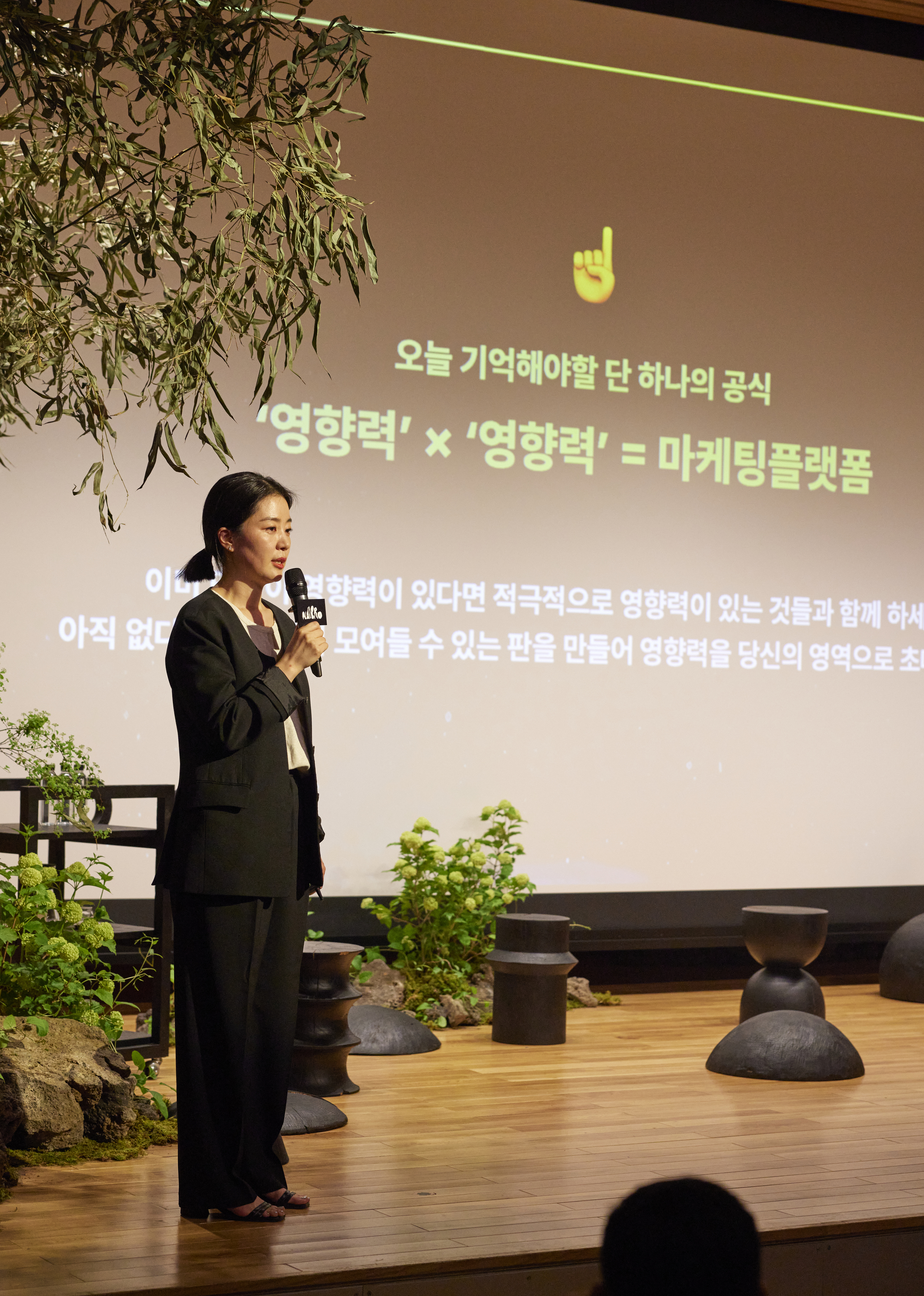
THEKIT artist Evelin built a big hit with a content series built around Korea, and grandmother Park Mak-rye ran a Korean-food pop-up restaurant in New York that quickly built influence in the North American market. Park Young-hoon urged those looking to seize global openings to "stitch influence to influence and build a marketing platform," and laid out how to combine several strong ingredients to enter markets efficiently.
Park Young-hoon, Director, THEKIT:
"A lot of people are worrying about how long the K-Food wave will last, when the bubble will pop, watching for the moment — and hesitating on global expansion. What's clear is that K-Food's popularity has never been higher, and instead of watching the clock we have to climb on now.
In North America, marketing budgets built around influencers keep rising every year, because there's real evidence that influencers actually shape what consumers decide. Influence stacks up on more influence. So try stitching influence to influence and building a marketing platform on top. Grandmother Park Mak-rye did exactly this to build influence in the US — she made a video series of Korean side dishes delivered to content creators, partnered with a local New York restaurant to run a pop-up, and racked up more than 20 million views. That's the kind of case I'm talking about."
Hansik and the restaurant industry — now and next
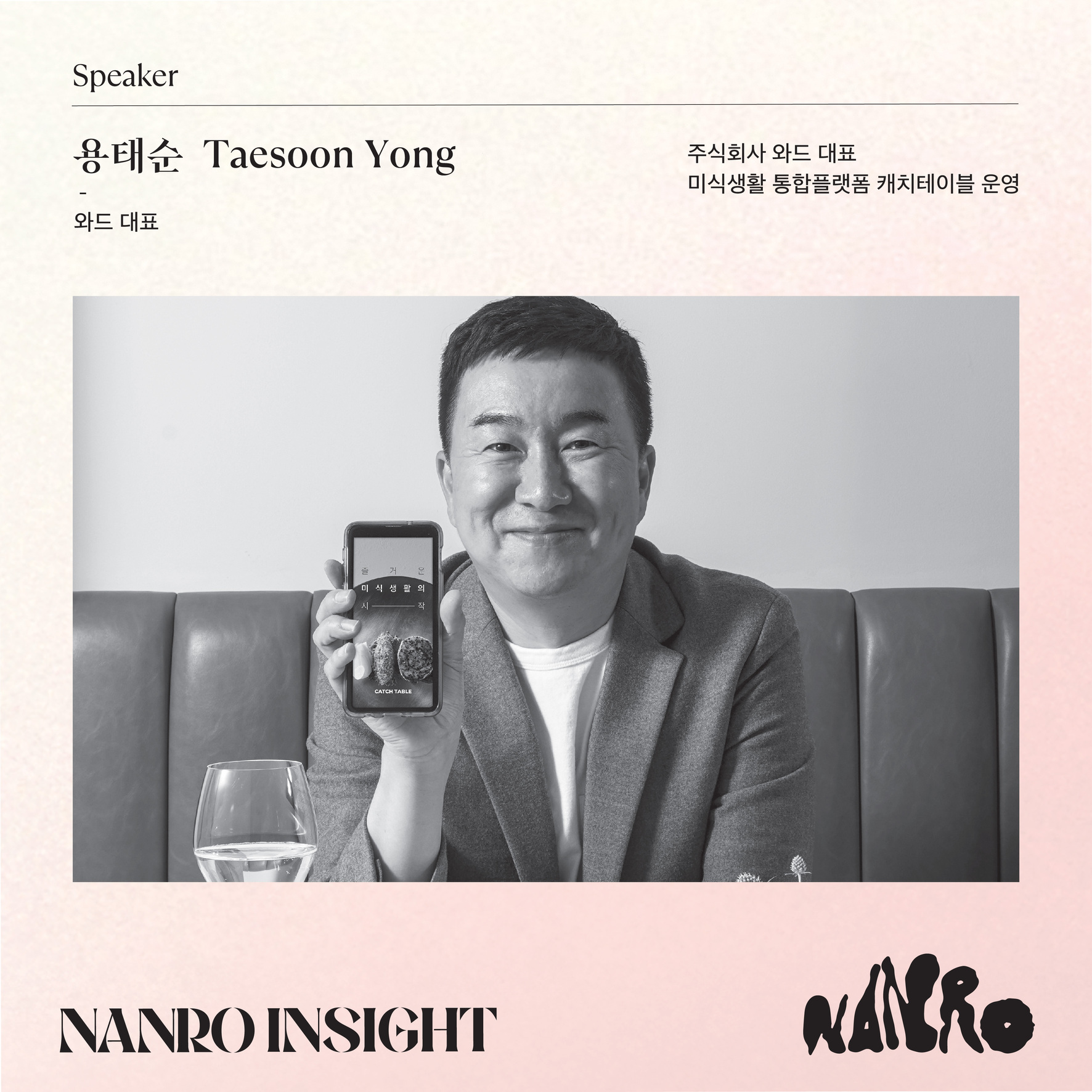
▶ Yong Tae-soon, CEO, CatchTable
"What kept us going through the uncertainty of the early days wasn't chasing polish first — it was small, fast experiments that checked usability before completeness. Those small, fast experiments slowly enlarged what was possible, and I think that's how we made it through the hard patches. Whether B2C or B2B, we still look at problems and solve them through small, fast experiments — and we run hard so that everyone can enjoy a happier life around the table."
What his mother's shop taught him about patience and customer-first thinking
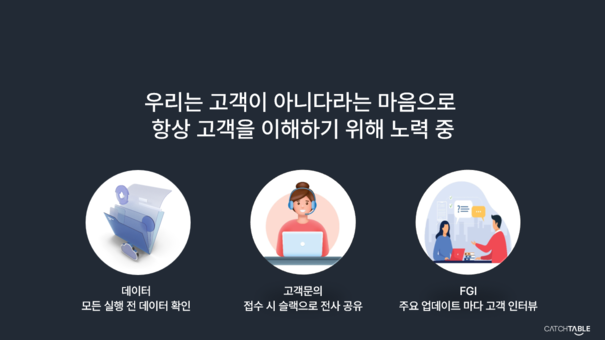
Yong grew up working in his mother's shop, and he credits the patience and customer-first way of thinking he picked up there as the ground beneath CatchTable's growth — and as something that has shaped how the service improves and how customer satisfaction rises.
Yong Tae-soon, CEO, CatchTable:
"My mother's shop was doing about 900,000 won a month in sales, and the rent was 900,000 won a month. I asked her why she chose a spot like that to run a business. She said if you hang on and keep working, the sales will come. And sure enough, after six months, a year, I watched the sales climb steadily. From then on I started to believe that steady, honest work pays off.
Every time she rang someone up, my mother would ask how the food was, whether anything had been uncomfortable. If a customer left a skewer half-eaten, she'd taste it and think about why they'd left it. Watching her, I learnt how much it matters to build a culture that knows how to figure out what the customer wants."
Small, fast experiments
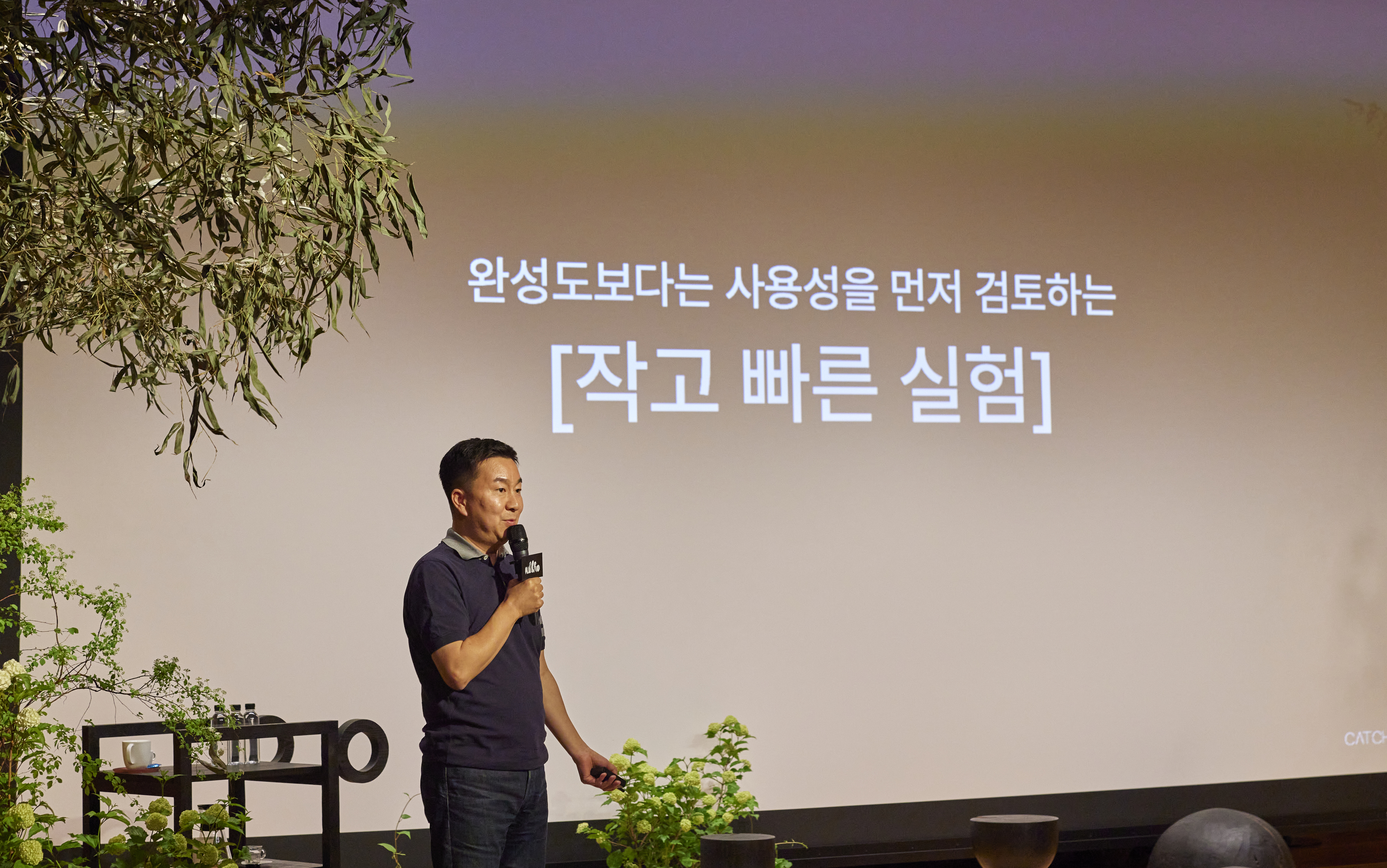
CatchTable runs an online F&B booking service to remove the friction from restaurant reservations, and it's often credited with pulling forward the industry's digital shift. But the early days were hard — the company struggled to raise investment. How did it get from there to here? Yong pointed to "small, fast experiments."
Yong Tae-soon, CEO, CatchTable:
"CatchTable is doing well now, but before we launched I kept worrying — what if nobody uses it? Then it turned out there was already an American company running the exact service I was thinking of. So I went around asking restaurants, 'This is the global version; if you'd be willing to use it, we'll bring it out in Korean — will you sign now?' When about 15 venues said they'd be up for it, I thought, okay, we can actually build this — and got serious about starting the business."
Gastronomy, and the design of spatial experience
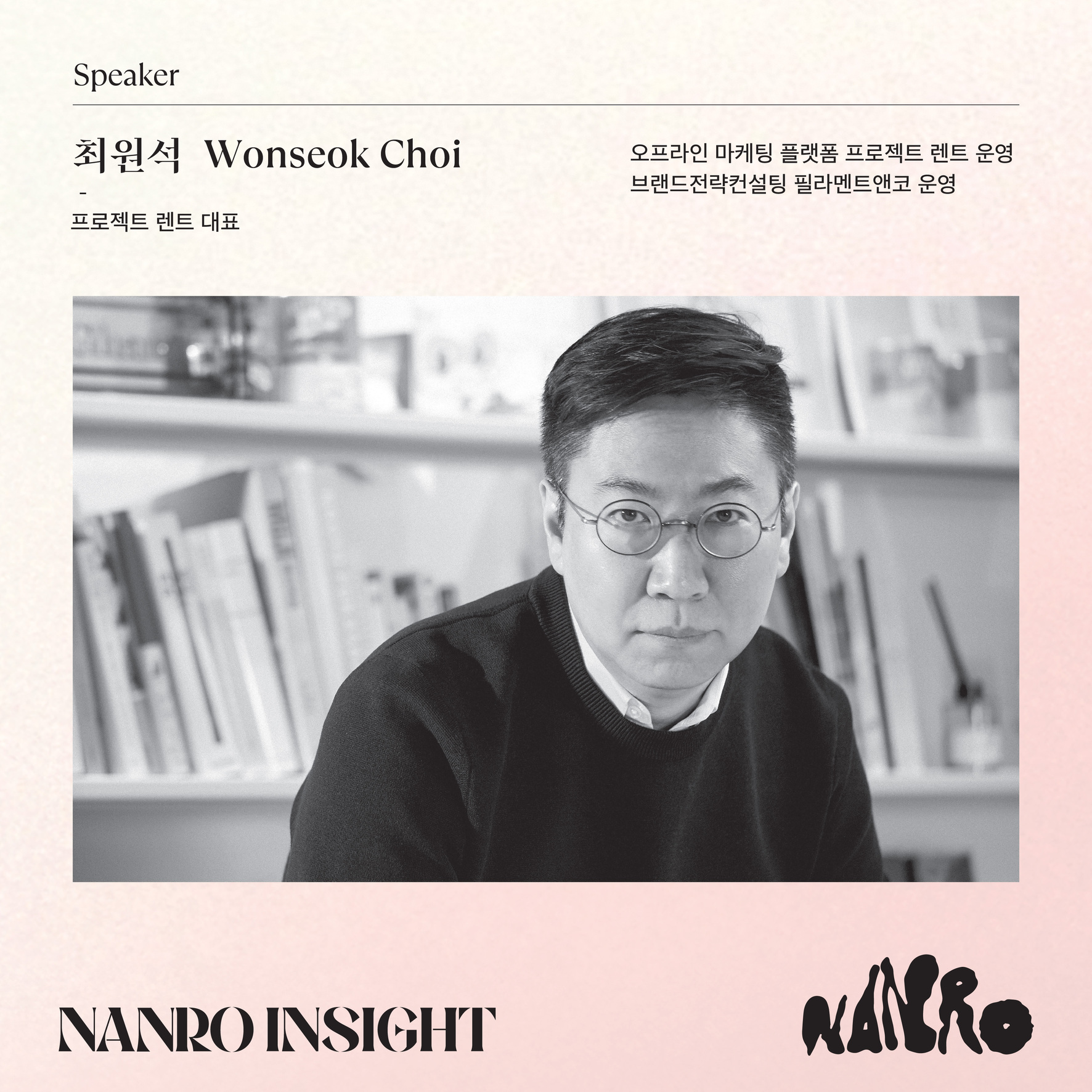
▶ Choi Won-seok, CEO, Project Rent
"Try stepping past the physical thing that is Hansik and asking how to carry Korean thought, lifestyle and experience inside it. What is Hansik's identity — how far do its edges go? What counts as heritage — where does history begin and end? And as what kind of experience will it exist? Those are the angles worth working from."
How far does Hansik go?
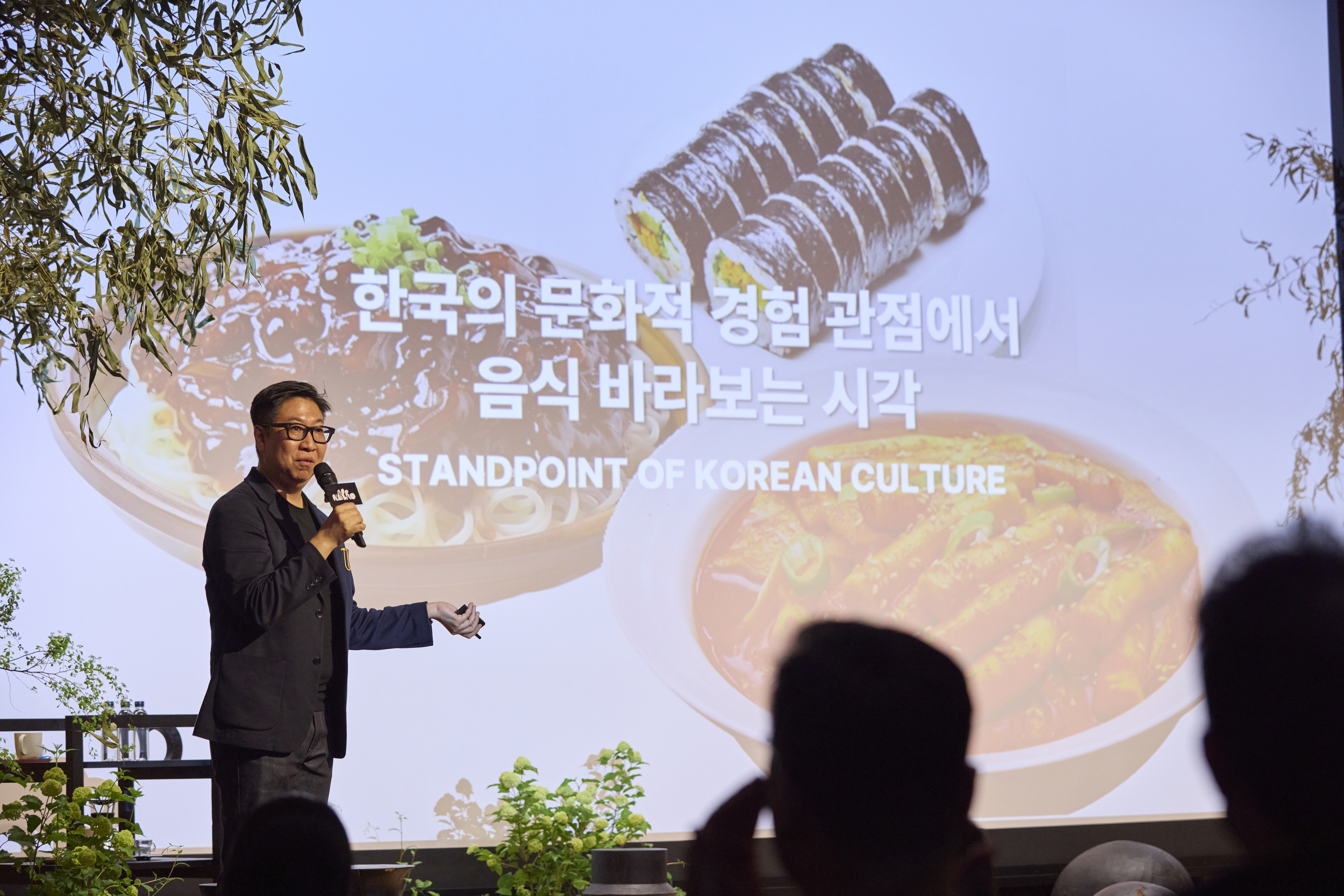
Choi urged the room to keep working on the question of Hansik's identity, arguing that sharing a cultural experience and a way of seeing matters more than drawing physical boundaries around what counts.
Choi Won-seok, CEO, Project Rent:
"What is Hansik's identity? Where does Hansik end? That's the question we have to answer first. Because we haven't, you sometimes hear things like, 'That fine-dining place doesn't feel like Hansik' — and the places themselves get stuck on it.
If pizza is defined as 'you put something on flour-based dough and bake it,' would an Italian look at that and call it pizza? I'm not sure. To a traditional Italian, that's okonomiyaki. And yet, to us, this photo reads as pizza rather than okonomiyaki.
In the end, what matters isn't the form, the physical shape. It's whether we, from within Korea's cultural experience, believe this is Korean food and share the way of looking that says so — that act itself might be what defines the K in K-anything."
Redefining heritage and experience for Hansik
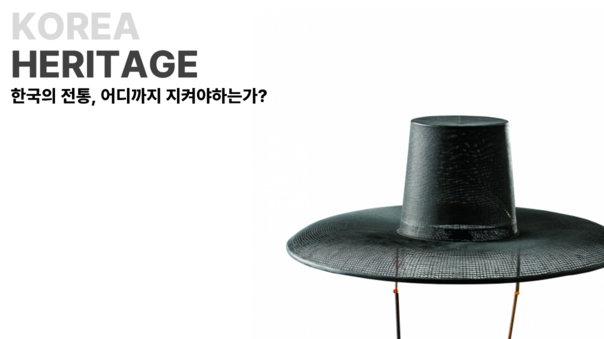
Choi also stressed that Hansik's identity has to be reinterpreted for the present, and carry a Korean fantasy. Hansik dining, he argued, has to deliver something particular to the guest — and using that experience to convey the value of Hansik is what matters most. His conclusion: step past the physical thing that is Hansik, and turn Korean thought and lifestyle into a beautiful experience.
Choi Won-seok, CEO, Project Rent:
"Heritage is the Korean something people expect, the Korean thing from history they want. It can't be 'I read in an old book that we used to do this.'
Higashiya, which lets you enjoy Japanese tea culture, isn't saying anything difficult. It just wanted to let people enjoy the wagashi culture from the past in daily life, and it stepped past the limit of time — that was all. And ironically, the person who built the brand isn't a chef. He's a designer.
Even in Hansik dining, I think what matters now isn't just serving delicious food — it's what kind of experience you'll be remembered as. Step past the physical thing that is Hansik, and think about Korean thought and lifestyle, and how beautifully you'll turn that into an experience people remember."
What Hansik business can learn from NewJeans
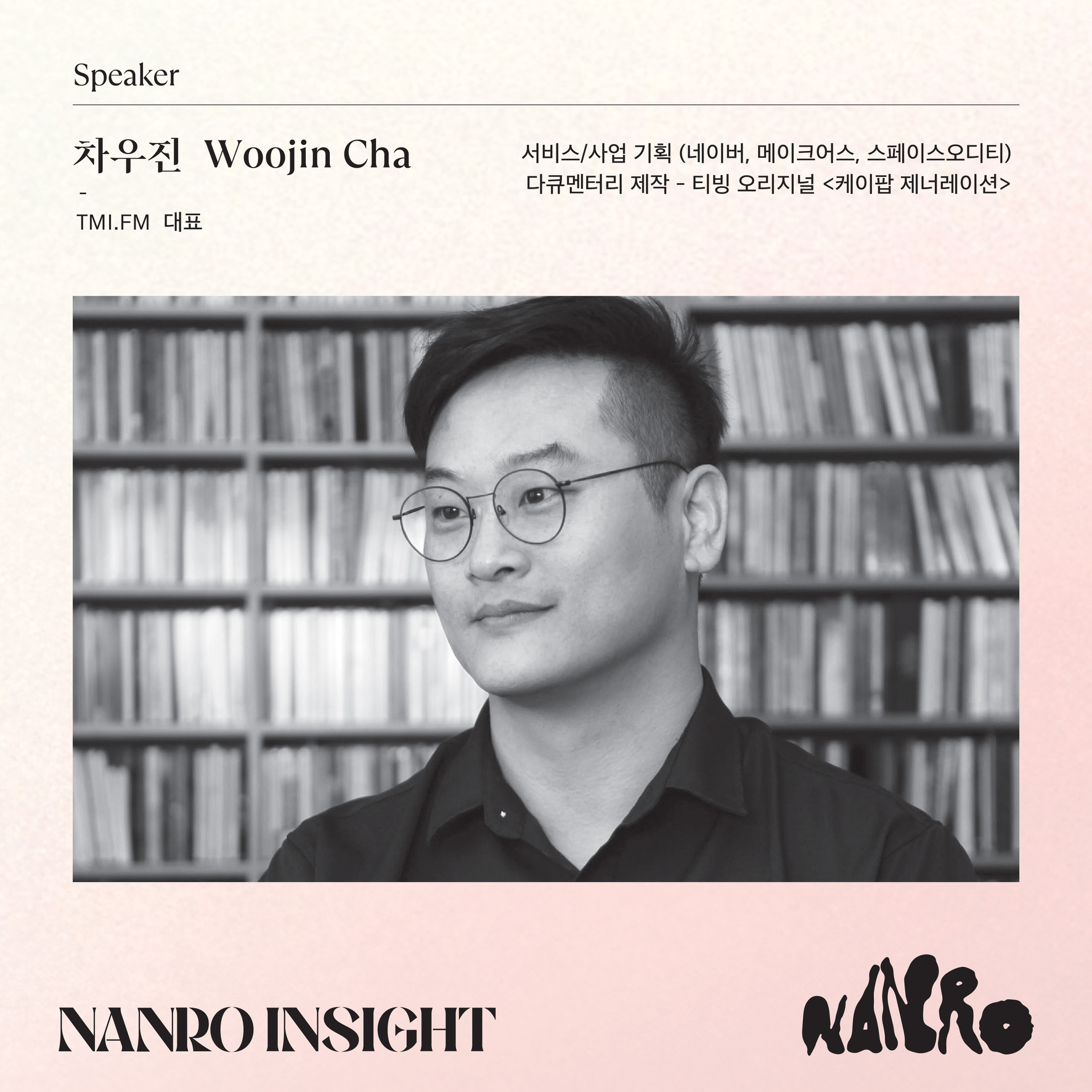
▶ Cha Woo-jin, CEO, TMI.FM
"Just as our entertainment business did, if we want to make Hansik new and fun I think we need answers to three questions: what is it that the Hansik chef completes? Who are the fans of Hansik, and what kind of culture are they making? And how will business and industry devote themselves to Hansik as a culture? Put differently — how are we going to redefine Hansik?"
Why K-pop won globally
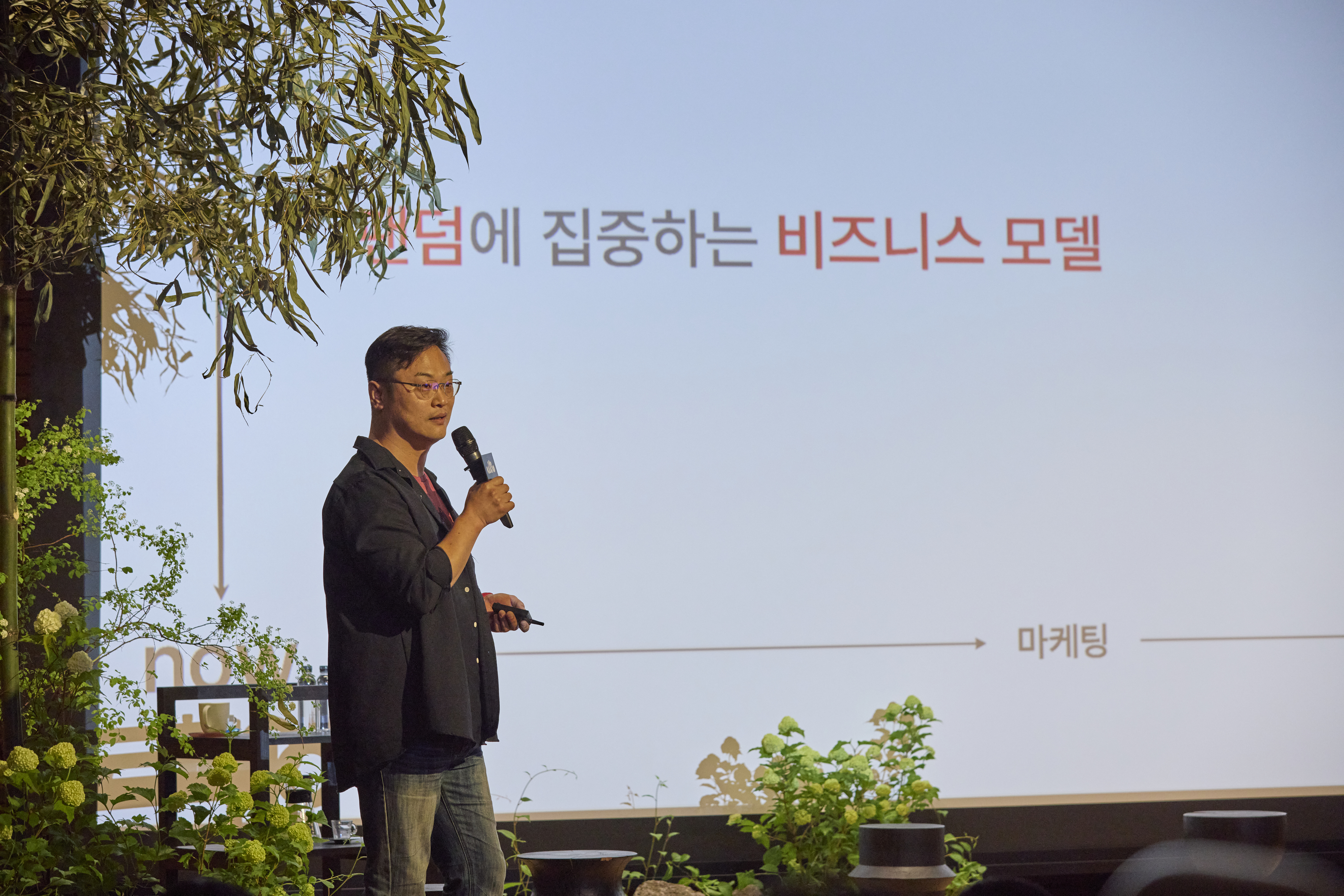
Cha named three reasons K-pop broke through globally: the way Western music was reprocessed and re-exported, marketing built on new media, and a business model built around fandom. NewJeans, he said, drew attention for breaking the formula — working with Korean independent musicians, delivering fresh music videos, and offering merch that was practical and lovely, all inside a strategy that grew the fandom outward.
Cha Woo-jin, CEO, TMI.FM:
"The K-pop business used to be: bring music from the West, reprocess it in Seoul, sell it abroad. NewJeans, though, worked with Korean independent musicians and debuted with a slightly different texture — music that stepped away from that K-pop-y feel.
You can see the same difference in the music videos. Yes, they had the pretty, cute, upbeat K-pop energy — but a lot of the videos were deeper and stranger, sometimes unsettling, sometimes downright uncanny. That's precisely what made people want to interpret them and wait for the next one, which is a big reason people ended up enjoying NewJeans in so many different ways."
Cross-pollinating Hansik with K-pop
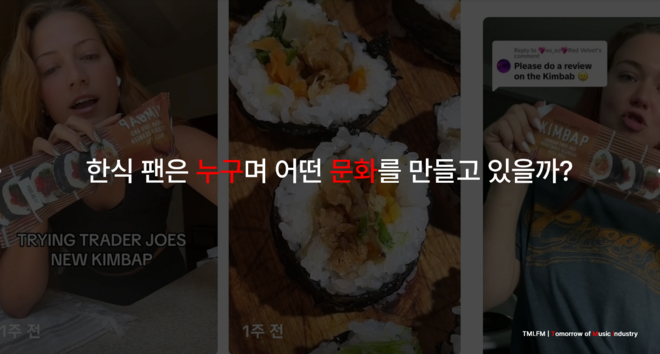
At the same time, Cha argued, Hansik business can look to how NewJeans did what it did — and that Hansik chefs have to move past making food and dig into why they're doing this.
Cha Woo-jin, CEO, TMI.FM:
"If we want to make Hansik new and fun, we need answers to three questions: what is it that the Hansik chef completes? Who are the fans of Hansik, and what kind of culture are they making? And how will business and industry devote themselves to Hansik as a culture? We need cooks who can protect the flavours of Hansik and still open up a new experience of a meal. Fans of Hansik can be anyone in the world — people who love Korea's cultural values and rich flavours, and who might find new friends through Hansik. By redefining the culture of Hansik, we can extend Korea's influence across the world."
Under CONNECT, we've looked at cases where Hansik connects with business in other industries. Next, under SEOUL, we turn to what F&B looks like right now in Korea's capital.