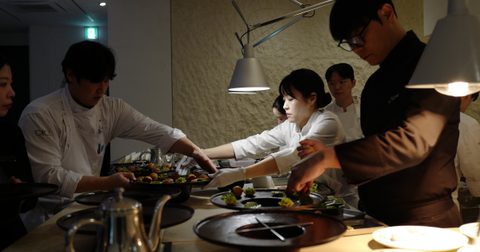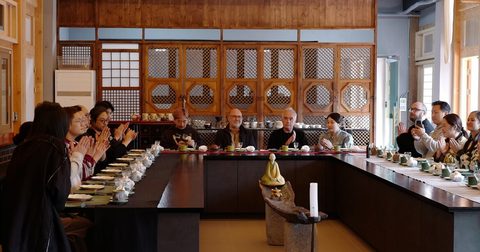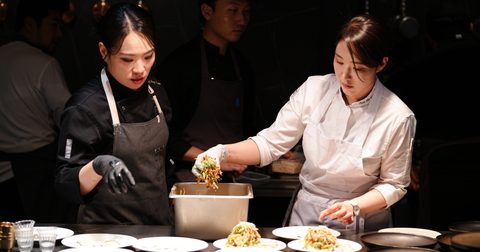
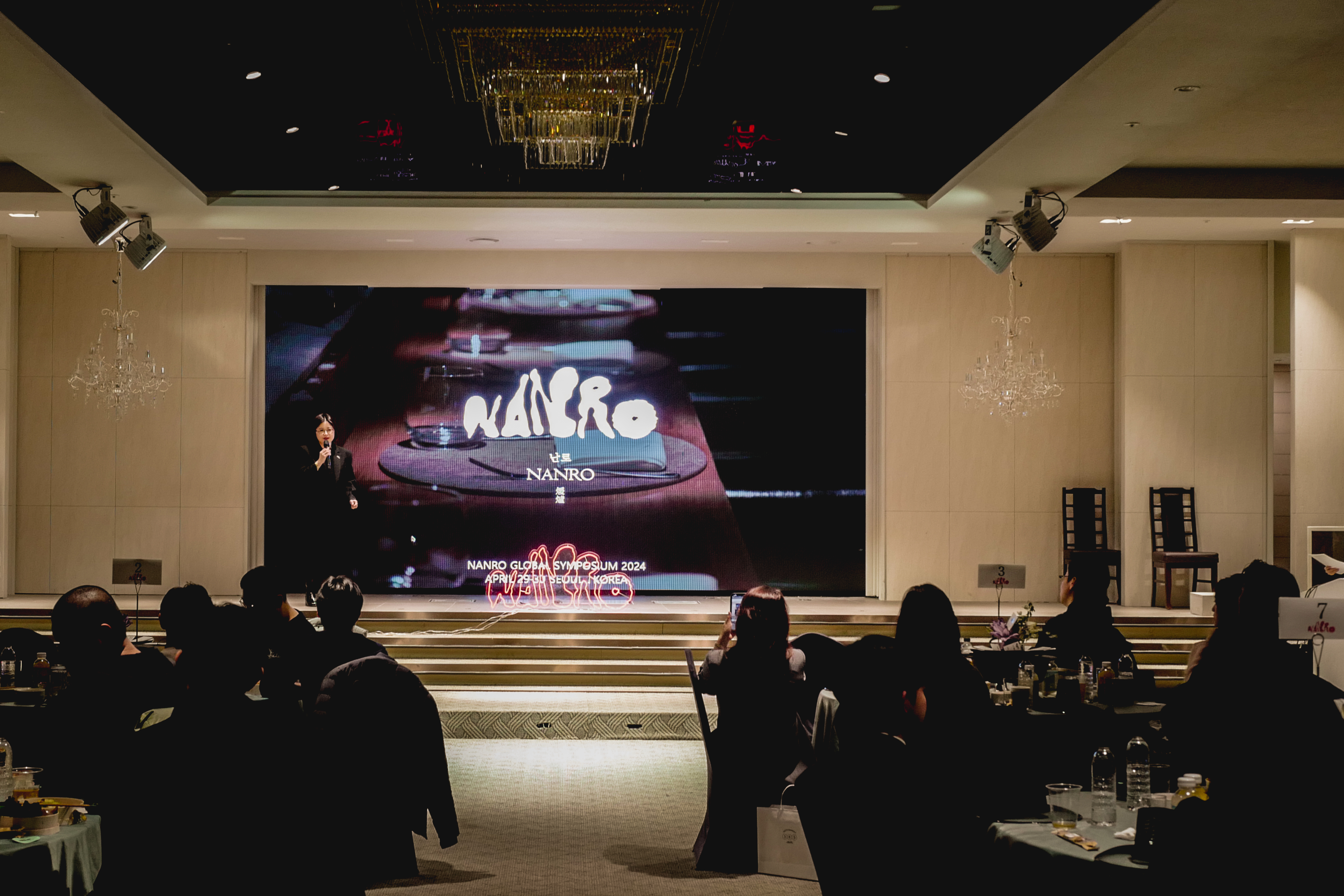
"The hottest moment for the world's attention on Korean food culture is right now."
A few searches are enough to make the world's growing interest in Hansik plain. The Michelin Guide's October 2023 New York edition lists 69 restaurants awarded a star, and Korean restaurants take 11 of those spots — a record high, surpassing France (7) and Italy (4), the classic references of fine dining. On top of that, Atomix — a Korean restaurant led by a Korean owner-chef — climbed to No. 8 on the 2023 World's 50 Best Restaurants list.
The Hansik wave is not limited to fine dining. Frozen gimbap sold out repeatedly at large American grocery chains, and Korean instant-noodle exports last year jumped 25.4 percent from the year before, reaching an all-time high of USD 8.427 billion. Foreign visitors named food and culinary exploration the No. 1 reason for visiting Korea (47 percent). *Culinary data source: Ministry of Culture, Sports and Tourism
Yes — this is the moment when our Hansik is drawing the world's attention more intensely than ever. What, then, should we be preparing and doing next? As more and more companies dream of turning Hansik into a business and taking it global, what concrete dream should we be dreaming?
To find the answer, we turned to the global Hansik brand Bibigo — and to CEO Noh Hee-young, who led its making from the front.
Insight comes from a mind full of questions about the world
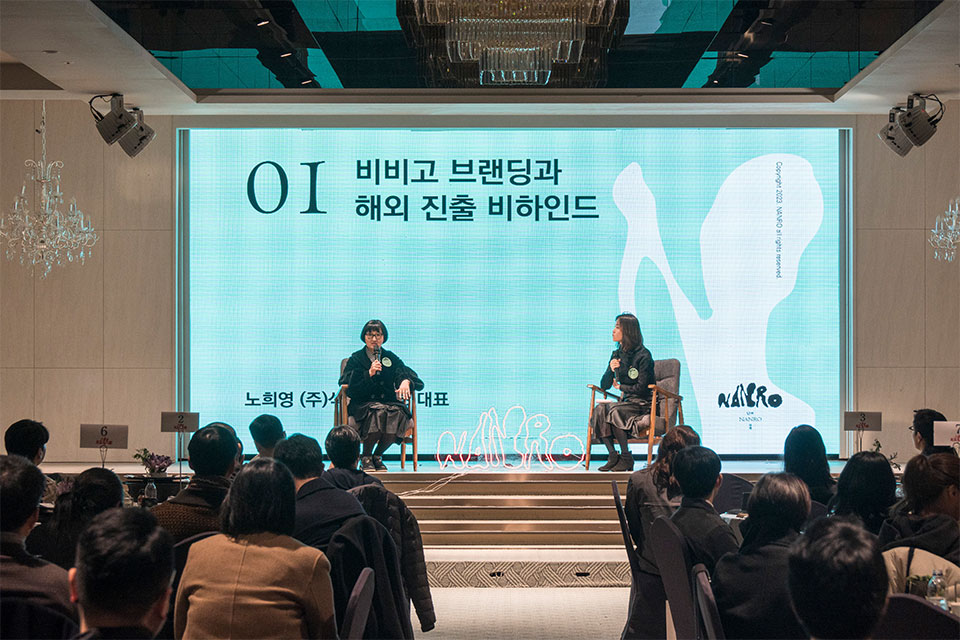
Bibigo is CJ CheilJedang's global Hansik brand, one that grew from 45 billion won in revenue to three trillion won in a decade. Speaking of Bibigo, CEO Noh Hee-young — who was in charge at the time — passed the credit back to her successors, saying yes, they had built it well, but the ones who came after had really grown it.
CJ CheilJedang's Bibigo was born in the United States in 2012. It was, from the start, a brand aimed not at the domestic market but at the global one. Words like "the globalization of Hansik" were not yet in fashion, and yet Noh Hee-young's foresight moved the brand into world markets quickly. Asked where that ability to see through the world comes from, she answered that she is "someone who simply cannot stand a curiosity unanswered."
CEO Noh Hee-young:
"I'm someone with a lot of questions. On days I hear something like 'people are lining up at this restaurant,' I'm too curious to sleep. So I go and I try it myself, and that scratches the itch. I also push my team to go and see for themselves. When they come back and we talk about it, they usually list the flaws. But if a place has a line and it's working, that means the strengths far outweigh the weaknesses. So I try, always, to share the habit of looking at the strengths first. In the end, I think an interest and a curiosity about many things, the willingness to go and check them in person, the habit of looking at the strong side — that's what has settled into the kind of insight that works in this market."
A sense of responsibility is what makes a brand solid
The story between Bibigo and Noh Hee-young began the day CJ, which had led the charge on globalizing Hansik, announced its Hansik globalization project and invited the Hansik Globalization Committee to hear about it. Noh Hee-young, who was on that committee as an executive at Orion, was in the room. When the presentation ended, she felt her heart racing — she wanted so badly to work on the CJ project.
The wanting did not let up, and in the end she took on the consulting for the CJ project she had heard announced. It was unheard of: an Orion executive consulting on a project for CJ, its direct competitor. She is also famous for what she asked before taking it on — full authority.
CEO Noh Hee-young:
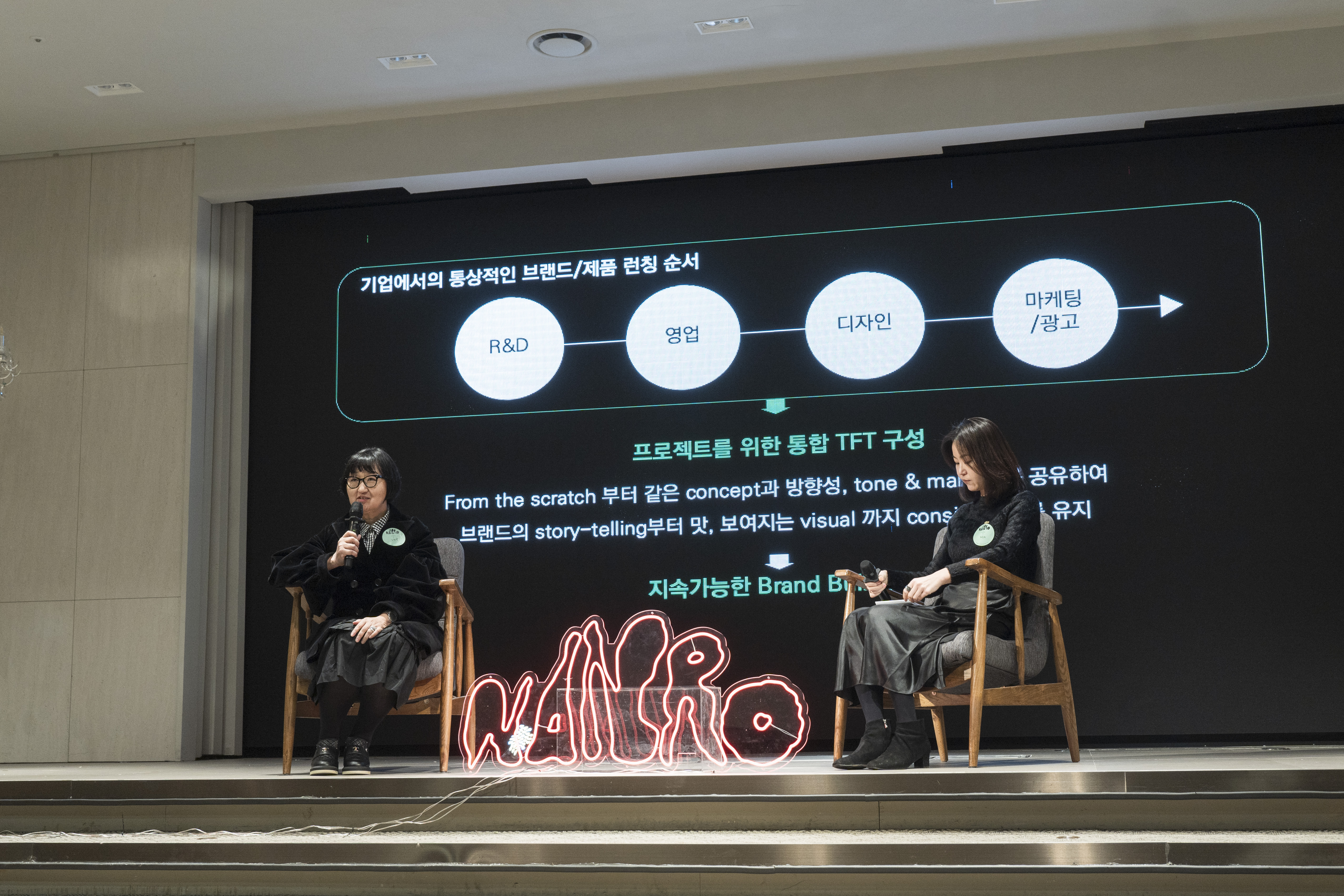
"Even inside the same company, working on the same brand, silos between departments spring up on their own. Setting the strategy together from the start, tending a brand like a child — that is a different thing from asking product development, sales, or design for what you need whenever you need it. I have watched the second way go wrong too many times, so from the start of the project I asked for the authority over R&D, marketing, sales, distribution, and advertising — all of it.
Honestly, to put it more plainly, I said, I'll take the responsibility, so give me the authority. Had I been given authority without responsibility, I don't think so many people would have rallied around a brand called Bibigo, or that it would have grown into something so solid. Branding needs not just authority but a leadership that can take responsibility for it — and a strategy to match."
Bibigo was not something the world had never seen before
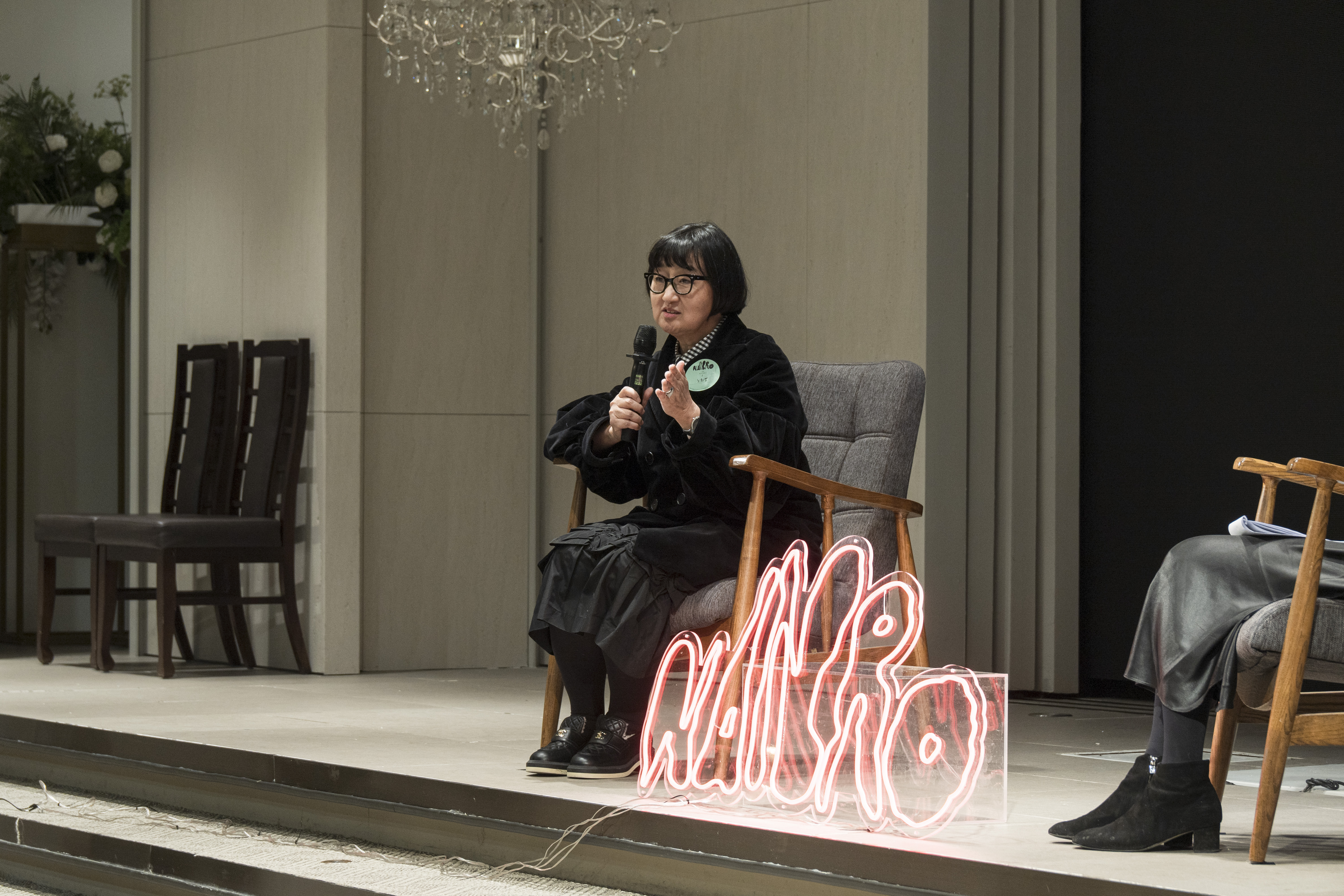
The name Bibigo is bibimbap meeting to-go. The signature product today may be mandu, but Bibigo started, of all Korean dishes, with bibimbap.
Before CJ CheilJedang, the Bibigo name had already been used by CJ Foodville for a bibimbap-focused Hansik brand. Time and again, when foreigners visiting Korea were asked what the most delicious Korean dish was, the answer came back the same: bibimbap. Seeing that, the team built the global Hansik brand Bibigo around it.
CEO Noh Hee-young:
"Taking something people are already eating and making it a little more delicious — that's development. Making something they've never eaten — that's invention. Bibigo aimed at the global market from day one, and we saw that the people in that market liked bibimbap, so we started with bibimbap.
If you ask why foreigners liked bibimbap, I think it's because they saw it as a food they could trust. You can see, plainly, everything that went into it. And the mix of vegetables gives it a healthy feel too."
Why mandu edged out bibimbap and gochujang
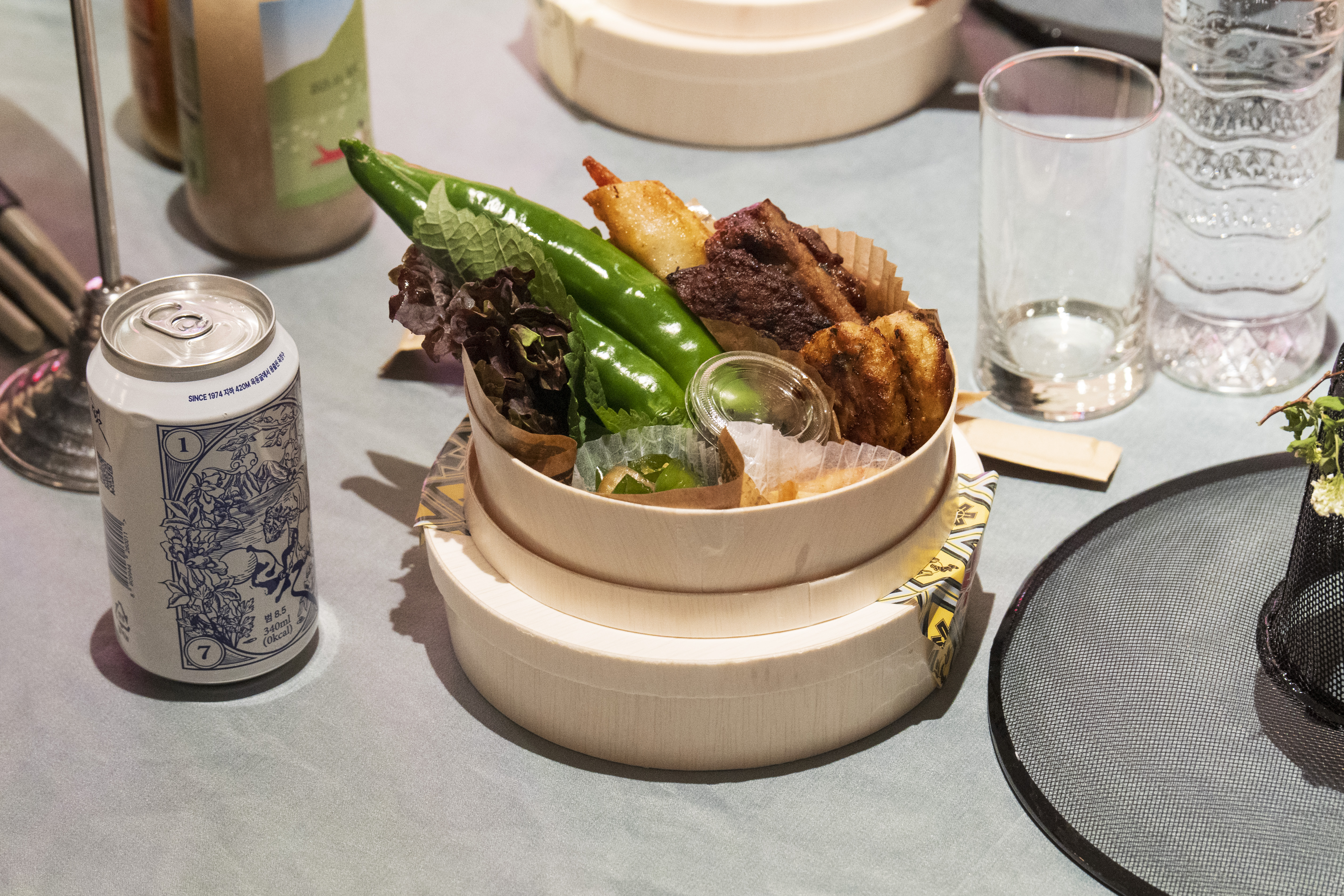
Inside CJ CheilJedang, the first product discussed for the Bibigo brand was not mandu but gochujang. They wanted to make a sauce that would travel the world, like Kikkoman soy sauce from Japan, or Sriracha, or Tabasco. Noh Hee-young saw it differently. She agreed that gochujang — like the rest of Korea's fermented pastes — is a magnificent food, but she judged its flavor too strong to slip easily into the dishes of other cuisines.
CEO Noh Hee-young:
"When I spoke against gochujang, things really blew up. But if I had just opposed it with nothing else, I probably would have been fired. To oppose something, you need not just the reasons — you need an alternative too.
The reasons I gave first were taste and practicality. You've all had the experience. Mix anything into gochujang and all you taste is gochujang. Put differently: gochujang is a friend that has a hard time playing nicely with local food. And look, Koreans eat jajangmyeon all the time — but do people keep chunjang at home? We don't even keep the sauce for a dish we eat often, so why would foreigners? On top of that, foreigners don't eat Korean food anywhere near as often as we eat jajangmyeon. Given all that, I thought the chance of them keeping the sauce for a dish they hardly eat at home was almost zero."
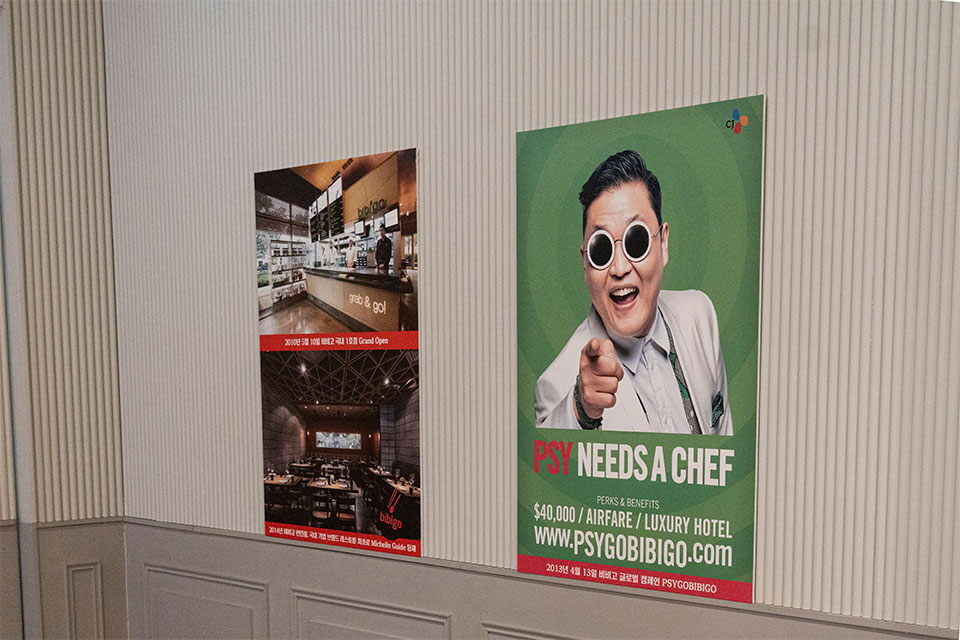
Every brand has a first attempt, and Bibigo is no exception. It looks now as if the road has been nothing but flowers, but Bibigo has had its stormy chapters too. "Global Hansik needs a brand." In the next installment, we look at the trial and error Bibigo paid dearly for — and the reasons it was able to pull through the crisis.
Continued in the next installment ▶