
Reading the local customer's real needs
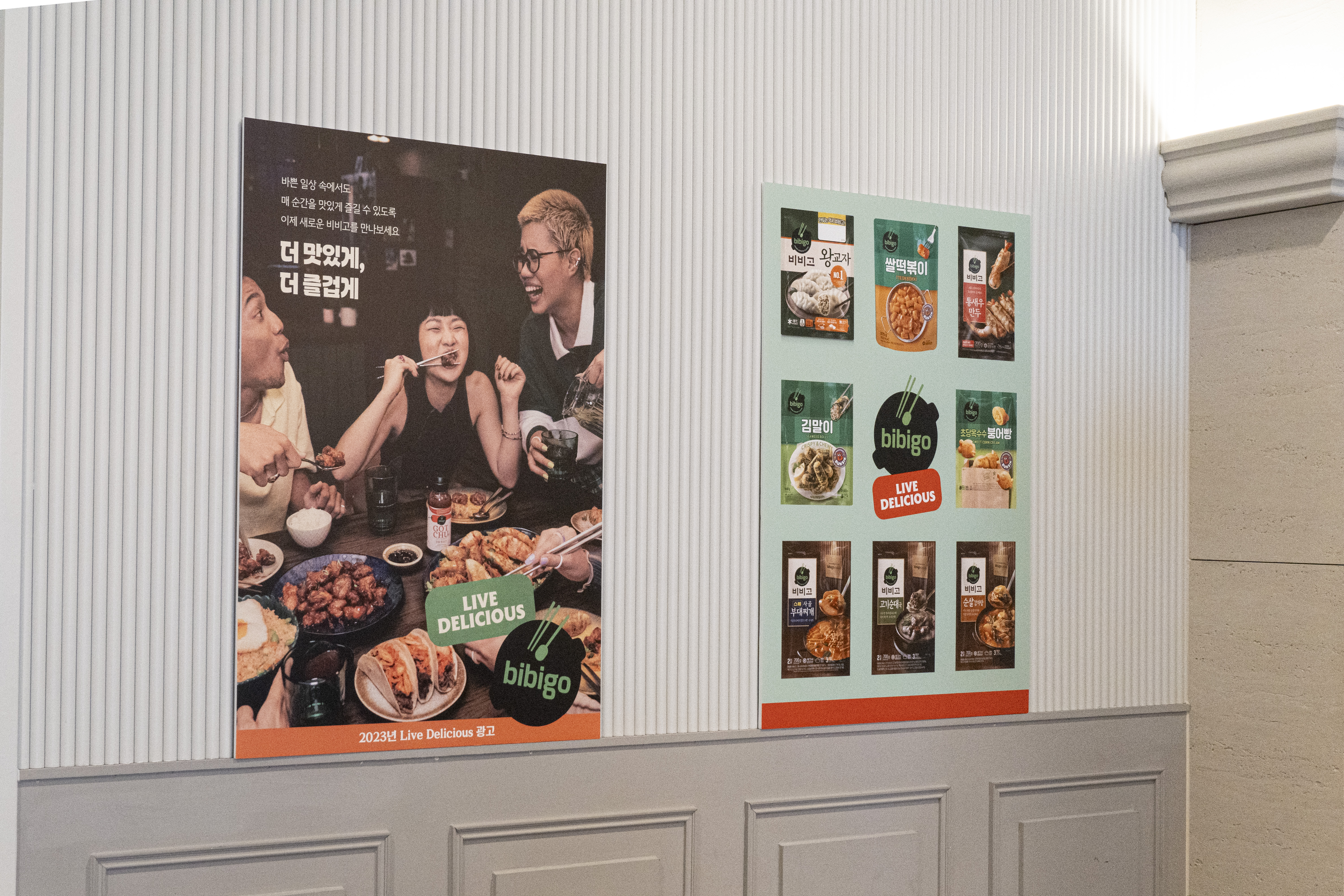
Every brand has a first attempt, and Bibigo is no exception. It looks now as if the road has been nothing but flowers, but Bibigo has had its stormy chapters. The bibimbap Bibigo first introduced in the United States looked much the same as the one we know at home. If anything, they had added extra thoughtfulness for foreigners who might find the very act of mixing awkward — using ground beef so the bowl would be easier to stir together. And yet, despite all that care, the rate of return visits kept sliding.
With the numbers still falling, Bibigo finally turned to a foreign consultant. Only then did the reason come into focus. The pasta we eat at home — swimming in sauce and toppings — is not the pasta you find in Italy, the country of pasta itself. The reason is simple: the name is the same, but the pasta we eat today has been localized to a Korean palate. Put another way, we bend other cuisines to our own taste when we eat them, and yet, when we introduce our own food abroad, we were insisting on our own way rather than theirs. Once the diagnosis was made, they reworked the recipe around what local diners actually wanted, and Bibigo pulled itself out of the crisis.
CEO Noh Hee-young:
"That was the first time I really consulted a foreign advisor. And the answer came straight back. The problem was that we hadn't built in what the local customer wanted. Americans are deeply used to having the sauce on the side. A Korean bibimbap, tossed together with the gochujang sauce and served pretty in one bowl, was a shape of food that was quite far from American food culture.
We had also used ground beef so it would be easier to mix, but for Americans ground beef reads only as cheap. That, on top of everything, made bibimbap look unappealing to them.
That said, localizing is not always the answer either. Take Bibigo in the U.K. — what we introduced there was fusion, and this time, unlike the U.S. case, we were criticized for the very opposite reason: you couldn't taste Korean authenticity. So for a successful launch abroad, you really do have to read the local customer's needs, in fine detail."
The operating partner matters as much as the capital
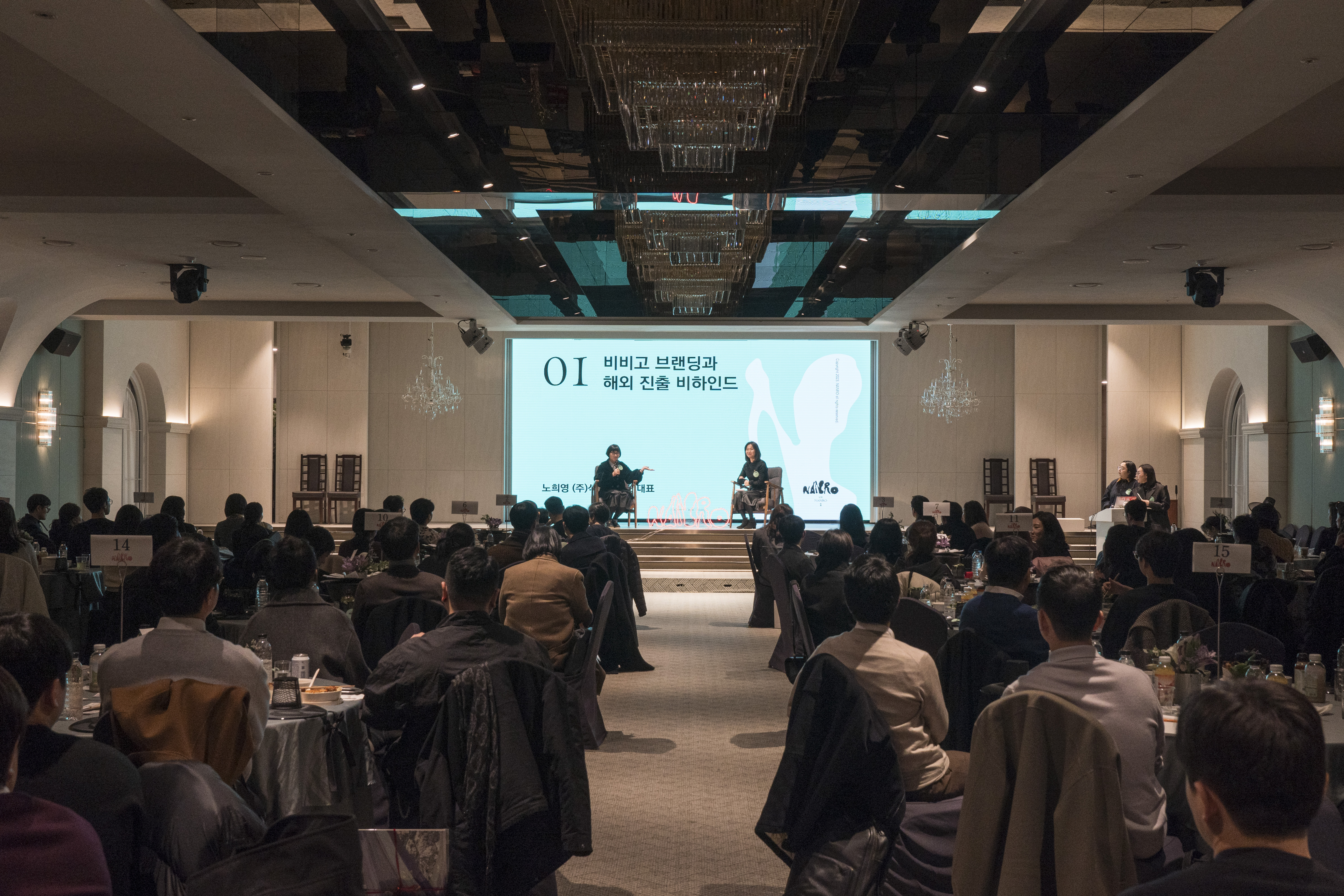
You might think there is nothing money can't do — but overseas markets, at least, are not something capital alone can crack. Even CJ CheilJedang, Korea's leading food company, learned this the hard way. Everything abroad works differently. Labor laws are different. Approvals and licenses are different. However well you study the local needs, you can't easily know how people on the ground actually behave. That is why breaking into a foreign market means finding an operator who can read the local situation and share it back with you — a partner as important as the capital itself.

So far, we have looked with CEO Noh Hee-young at what lies behind Bibigo's branding and its overseas launch. What kind of posture, then, does it take to build a brand like Bibigo — to stack up the results, piece by piece? In the next installment, we turn to branding strategy for Hansik's global rise.
Continued in the next installment ▶