From homes to the royal court: what jeon really is
Unlike other pan-fried pancakes, jeon keeps the base ingredient largely intact — thinly sliced or lightly chopped, seasoned, dusted with flour, dipped in egg, and pan-fried. Oyster jeon, shrimp jeon, mushroom jeon, chile jeon, zucchini jeon — those are its most familiar faces. Jeon is widely known as a signature Korean dish because it turns up on nearly every table, whether a meal or a drink. Historically it was enjoyed by commoners, aristocratic households, and the royal family alike. It may look like the easiest thing on the table — which is exactly what makes it hard to do well.
The equation of place and season: cooking that begins with the ingredients
Food begins with its ingredients. You have to source them well and know how to make the very first touches count. You have to know which ingredients each region does best, and time your sourcing to the seasons. Preparation for cooking begins there.
The basics: each ingredient and the coat of flour around it should harmonize and bring color out beautifully. Crisping the surface matters, but so does making sure the inside is cooked through gently — never underdone or watery. To let the raw ingredient's flavor come through, jeon avoids heavy seasoning and generous oil. A light pre-seasoning softens the ingredient or firms up its shape, and takes off any unwanted odor.
The subtle craft that lives in the hands
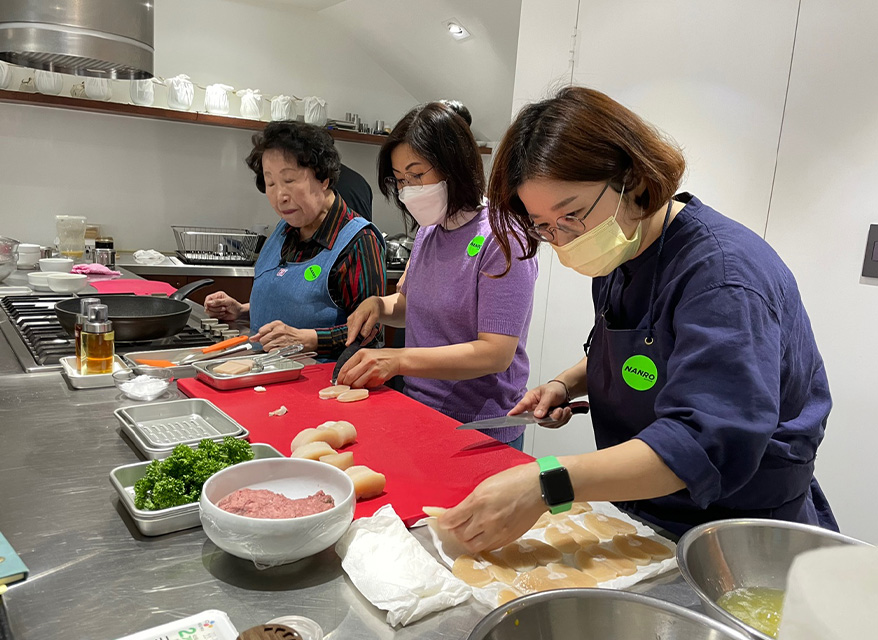
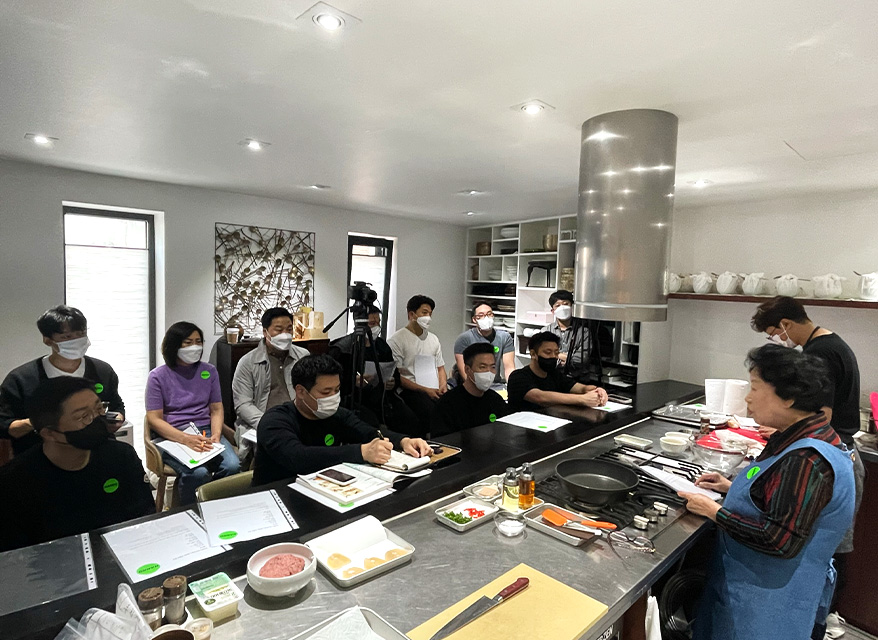
Building both flavor and texture takes careful hand work. When flouring, coat the underside generously, then dust the top lightly and tap the whole piece to shed the excess — that's how it holds its shape once it hits the pan. The flip should come when the underside is about two-thirds cooked, so the top surface doesn't lose its form either. Too much oil, and shape drifts.
Season matters when you're pan-frying jeon. In late spring and early autumn, cook them through and crisp. From late autumn into early spring, ease off the browning. In summer they can be eaten without being reheated, so cook them fully; in the cold of winter, adjust the first pass so there's room for reheating.
Room for your own voice
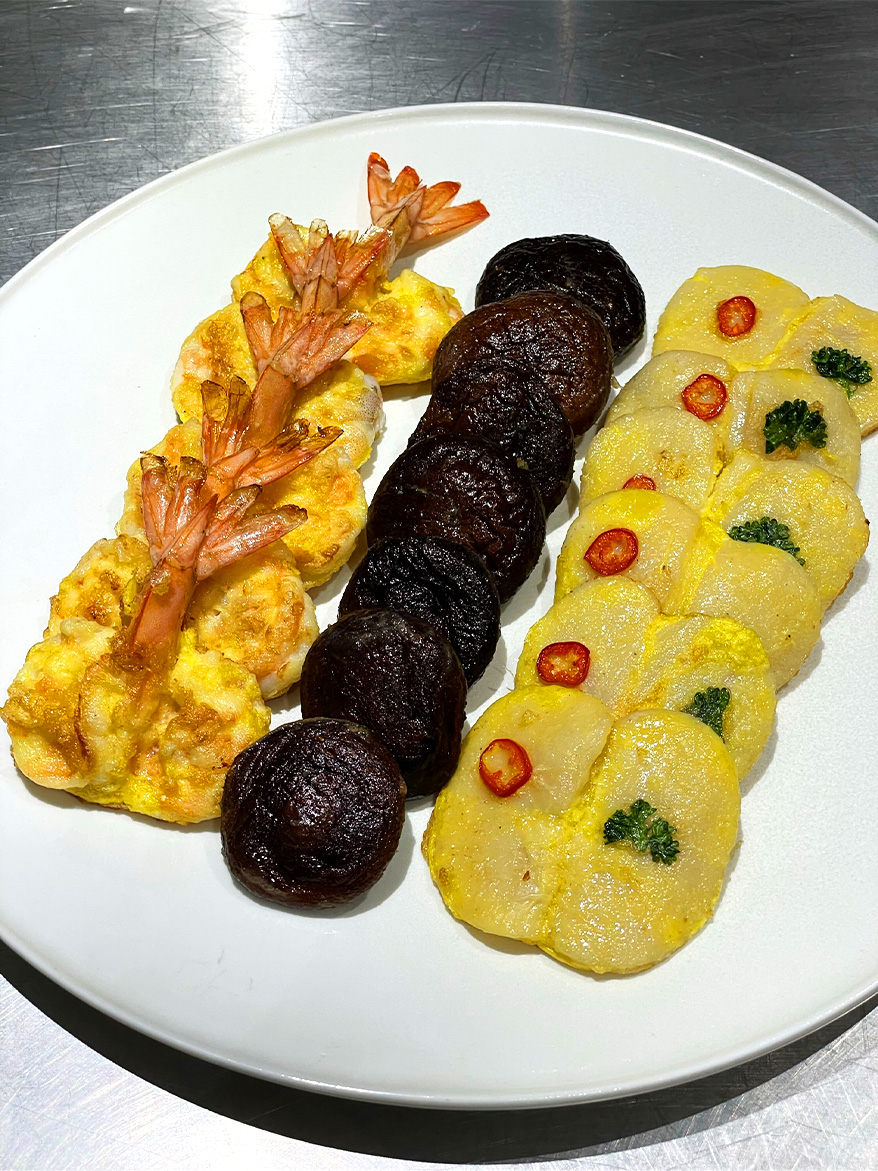
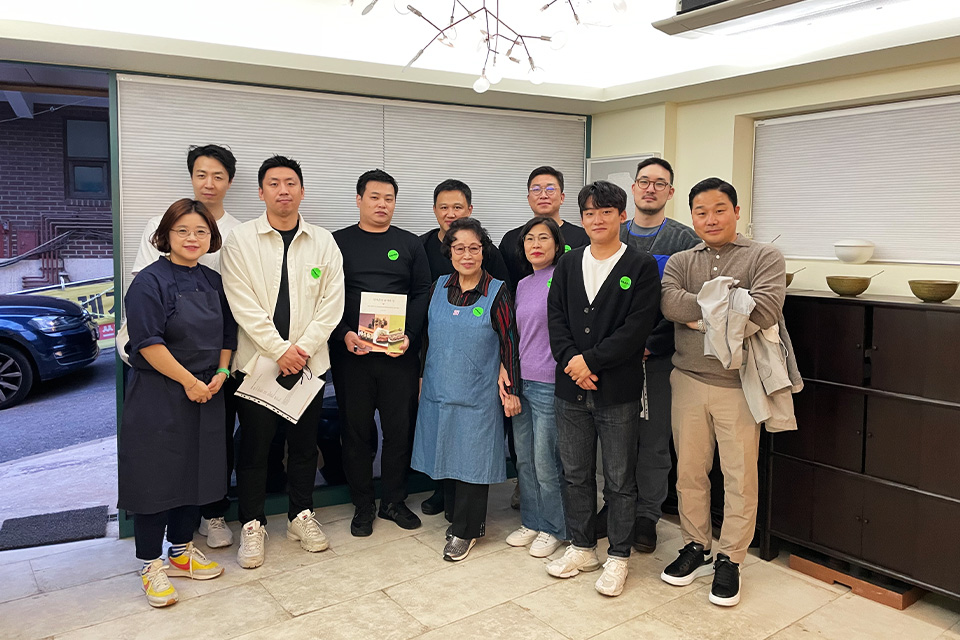
Teacher Kim Mae-soon's counsel: study the old ways, but create for today. Refer to the base techniques and methods drawn from more than thirty years of trial and error, and then, in the end, bring out each cook's own strengths to draw out a variety of flavors. Layering contemporary sensibilities onto traditional taste is how the shape of tomorrow's Korean food takes form. Around this thought, the chefs in the session brought their own stories into their jeon, and the discussion turned to reworking existing menus and developing new ones.