A Nanrohoe That Brought Together Career Meat Obsessives, Insiders from Fashion and IT, and Even a Composer
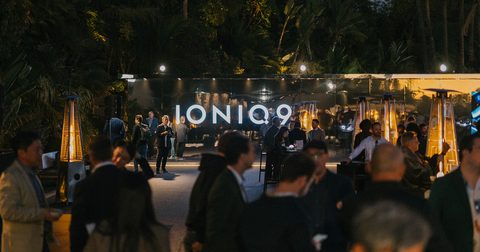
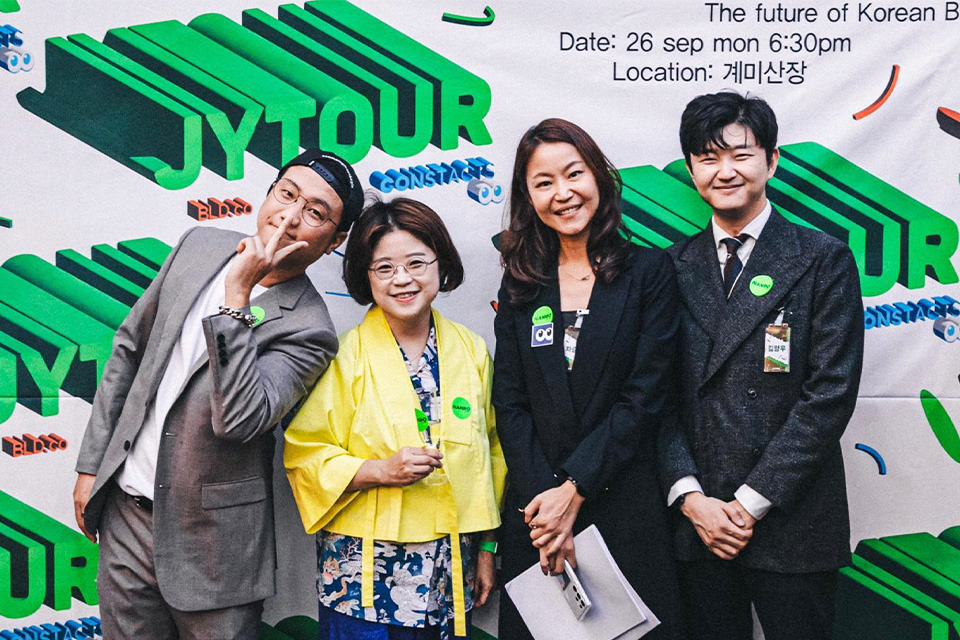
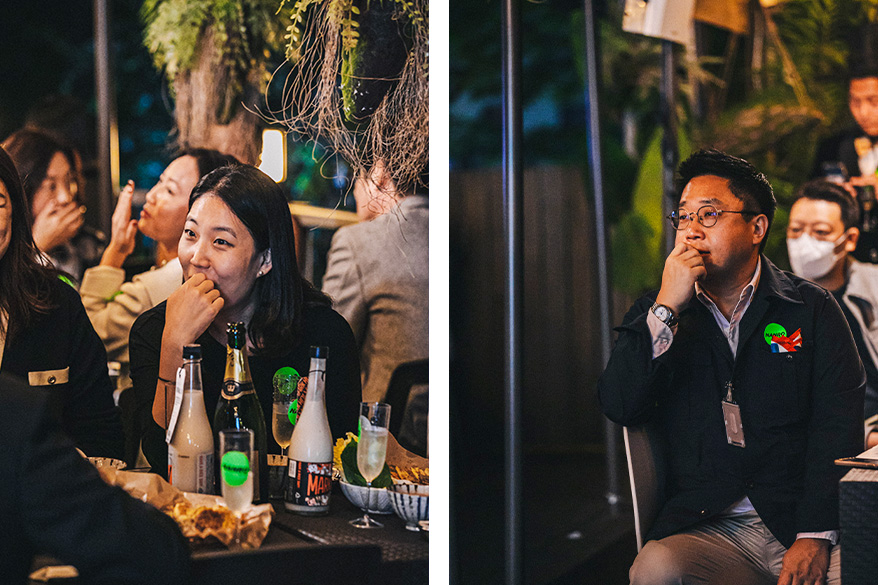
As the group kept returning to the industrialization and globalization of Hansik, one conviction kept surfacing: the people involved should sit down together and find where their work can compound. What if you pulled owners on the front line of the restaurant industry, people building brands and industries, and everyone connected to both — into one room? That was the thinking behind this nanrohoe. Around the table sat owners running a range of meat restaurants, a stylist who eats her way through Seoul with Korean and international foodies, journalists in food, drink, and design who track overseas trends closely, and officials from public institutions working to help private industry carry Korean culture abroad.
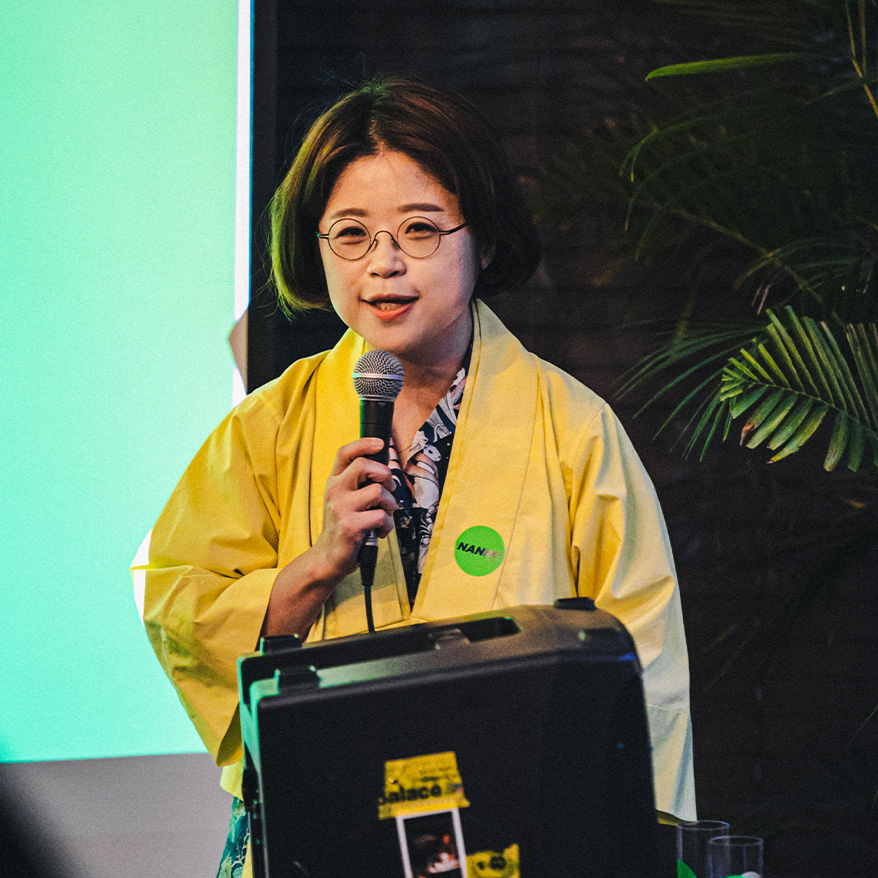
Looking back over the history of Korean grill culture, the group traced which kinds of meat restaurants defined different eras, how equipment like the grill plate and the wider operating systems have shifted, and how diners' tastes have moved along with them. Before coming in, every participant had been asked what would be needed — and what obstacles would have to be cleared — for Korea's meat culture to travel; the evening picked up right there and ran late.
The Common Ground: 'Experience' Matters, and So Do the 'People'
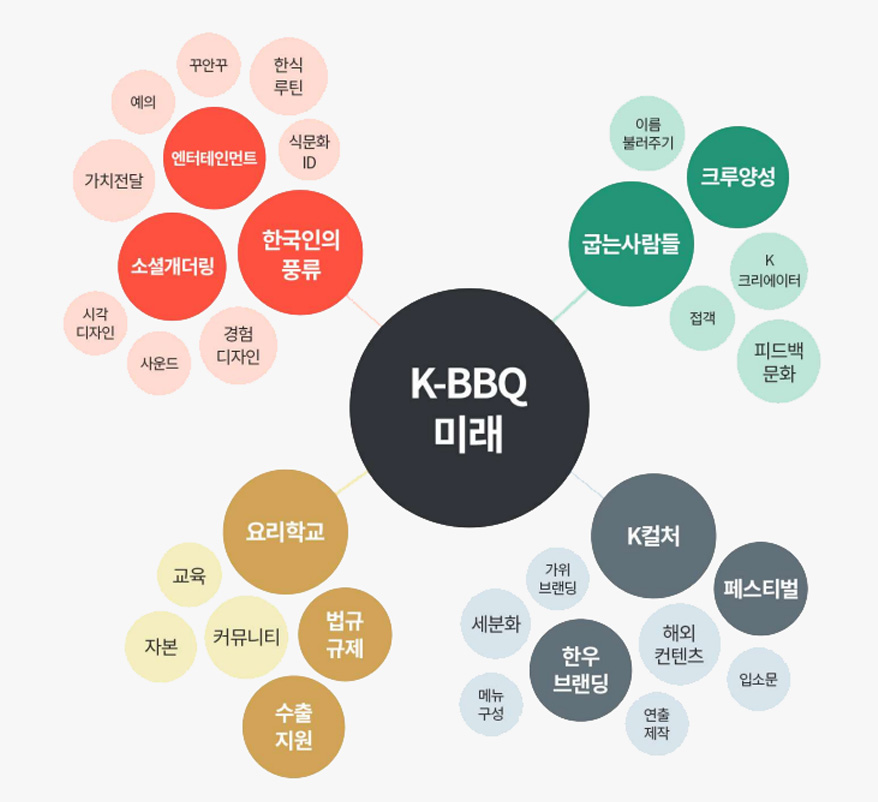
Jang In-sung, Managing Director at Baemin (Woowa Brothers), spoke about building 'stories' that can carry grill culture outward, and about the importance of 'experience design' — the culture you take in by living through it. Cha Seung-hui, Head of Food & Beverage Planning at The Shilla Hotel, also made the case that content within Korean culture itself needs to cross its own internal borders and fuse. Jeon Eun-kyung, former editor-in-chief of Monthly Design, added that the world's attention is now fixed on what is emphatically Korean — and that the harder work is to define what we mean by our food culture, and to think about which industries it might link up with as it grows.
Another running thread was the case for a proper system — new titles, and perhaps certifications — that would give real recognition to each specialist inside a meat restaurant: the person grilling, the one dry-aging, the one breaking down cuts, the one tending the fire, and the one making the banchan that goes alongside.
Kim Eun-kyung, publishing-house CEO
What if we built a world-class festival that people immediately associate with K-BBQ? Or made illustrated cards along the lines of 'how to enjoy K-BBQ' and released them as NFTs, or placed them in the gift shops of museums abroad?
Kim A-rin, brand consulting CEO
I keep thinking about defining the word 'bulmat' — the flavor of the fire — and getting it out there. It is play with elegance, style, and mood; in the end, the heart of K-BBQ is 'Korean pungnyu.'
Jeong Eun-ha, Director at an SNS platform
The person who makes the jang and kimchi, the person who tends the fire, the person who ages the meat, the person who grills it — there are probably informal titles for each inside the industry, but their expertise is not being named out loud.
Jung Dong-woo, restaurant CEO
To carry K-food outward, we need good scenarist writers, directors who can turn words into images and film, a face that can represent Korea, and production companies with real conviction.
Song Ki-seob, restaurant CEO
We need proper, structured culinary schools where foreigners can come and study Hansik. That takes serious government attention, and serious investment.
Ha Mi-hyun
For me, Korean barbecue is closer to jeon — pancakes. I would love to see a format built around 'vegetables + meat + fermented sauces and banchan.'