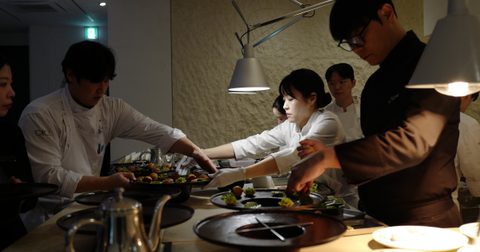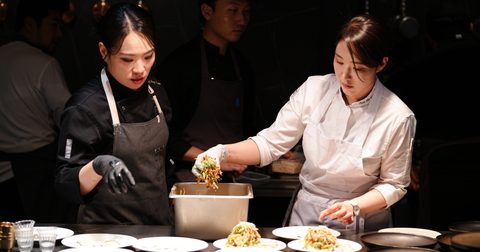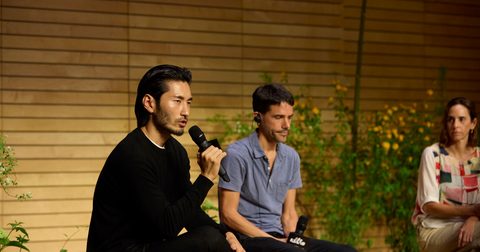
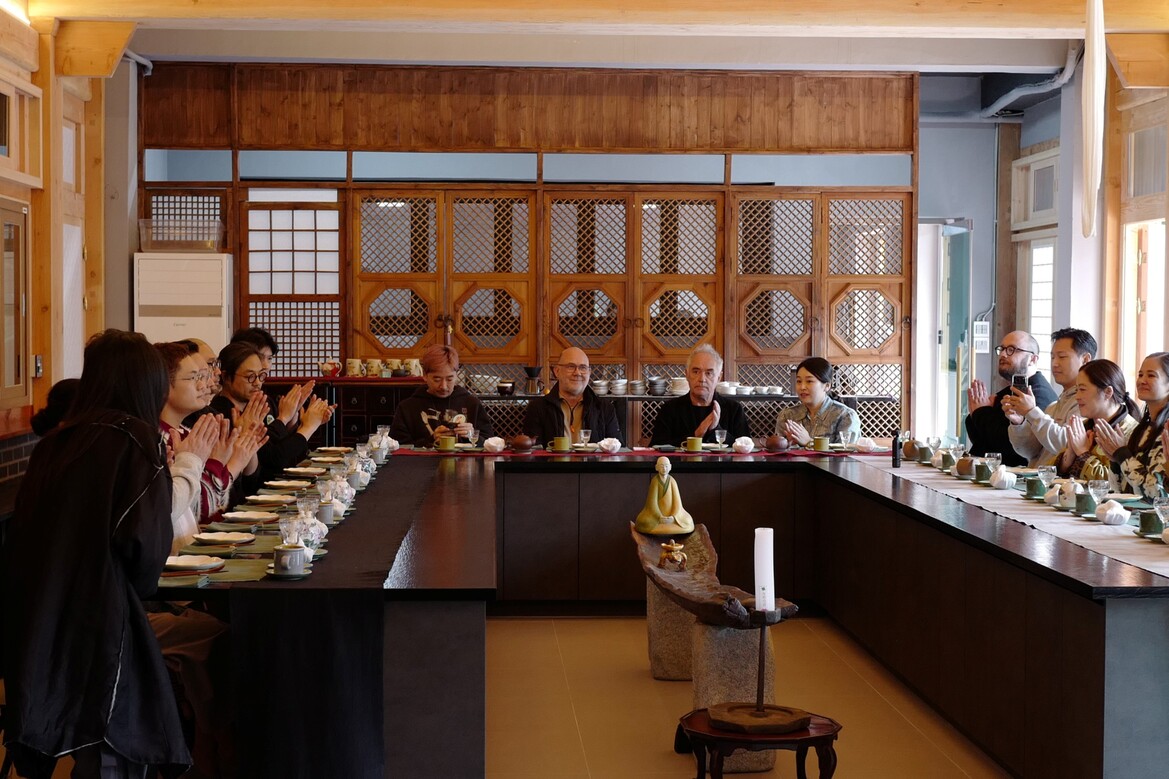
Cheonjinam holds the breath of a long time. On 26 October, chefs from Korea and the world came together there to talk about the roots of Hansik. Around Ven. Jeong Kwan, master of temple cuisine, cooks from different cultures gathered in one place. They took in the philosophy of Hansik and the harmony of nature with their own bodies, and shared the language of culture through food. This was a time when the spirit of Hansik met the senses of the world.
Ven. Jeong Kwan and what Cheonjinam means
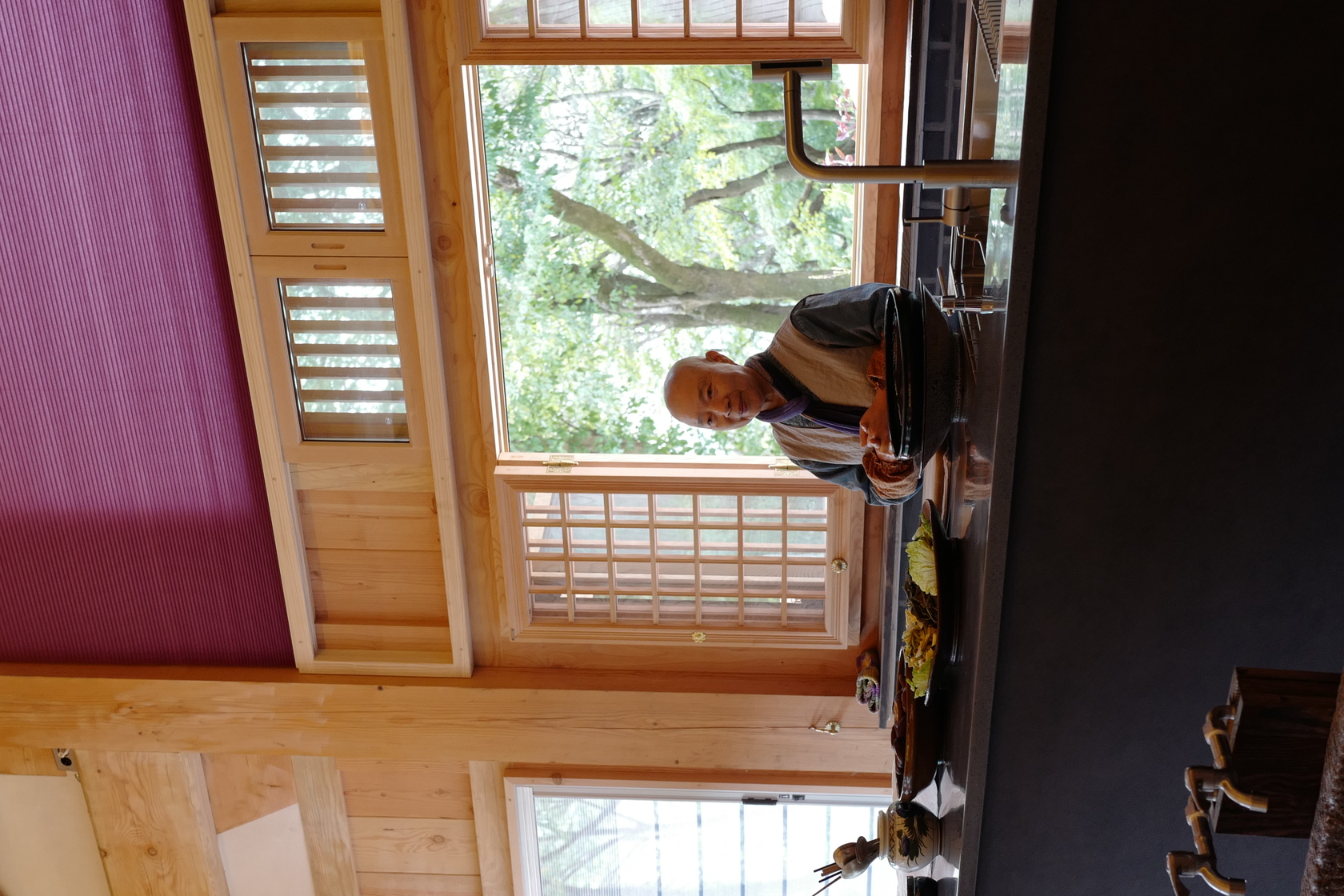
Walking slowly through the vegetable garden, the row of onggi jars and the fermentation store, Ven. Jeong Kwan said, "Food is completed inside nature's time." Shiitake and namul, doenjang and vinegar were not, for her, simply ingredients — they were vessels for practice. "Food washes and restores the human heart," she said. Cooking, in her words, is both a study of the mind and an act that holds the circulation of life.
Food and practice, carried on as the taste of memory
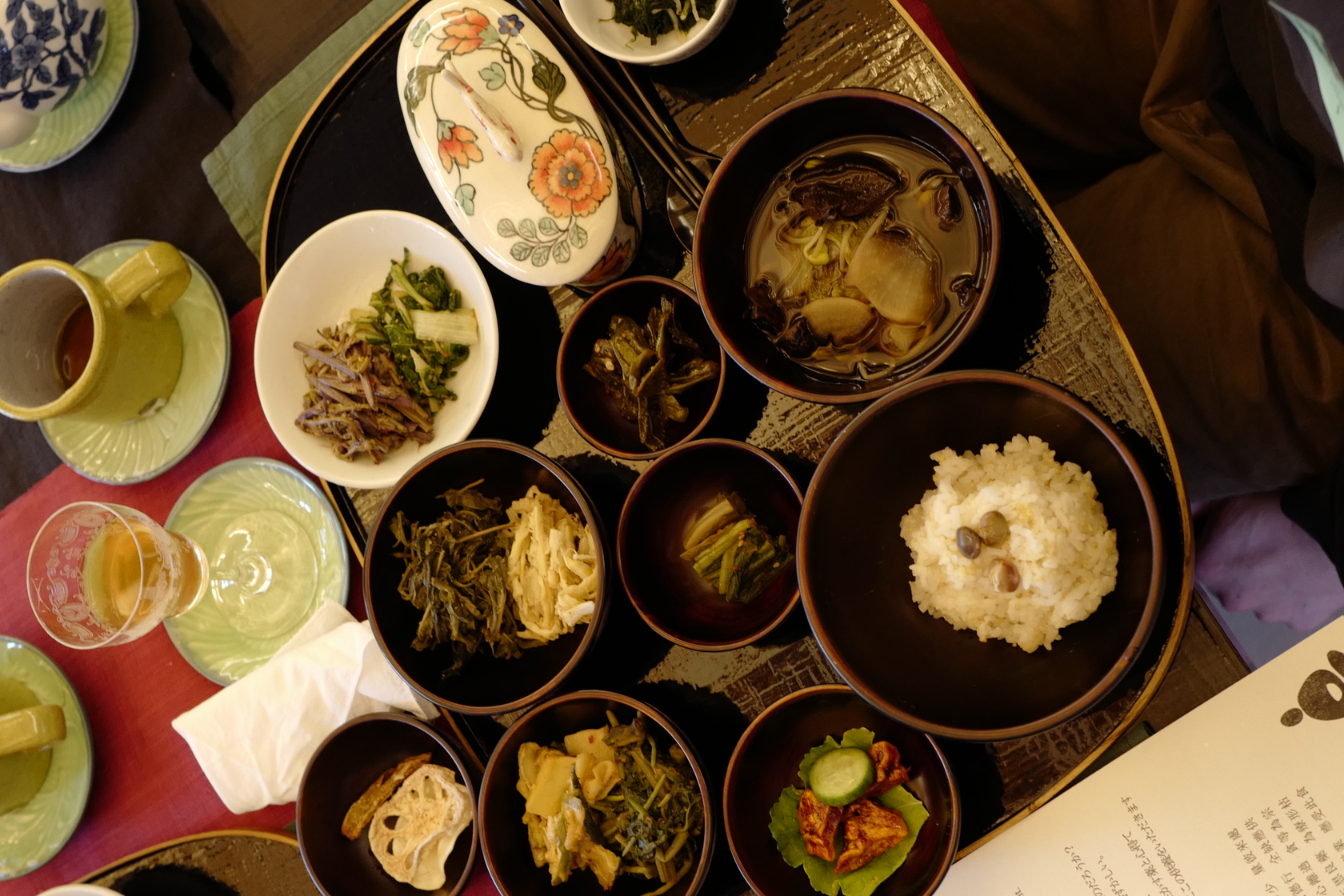
The shiitake dish she showed left a particularly deep impression. "A mushroom that has fed on the energy of the oak tree passes that energy to the person," she explained. Even a small handful of namul carries the flow of the season, and drying and simmering hold the way of nature in them too. "To cook and to season," she said, "is not a matter of learning — it's a matter of remembering." The "taste of memory" she pressed on was the trace of a sense that humans and nature have gathered together over a very long time.
World chefs, and exchange
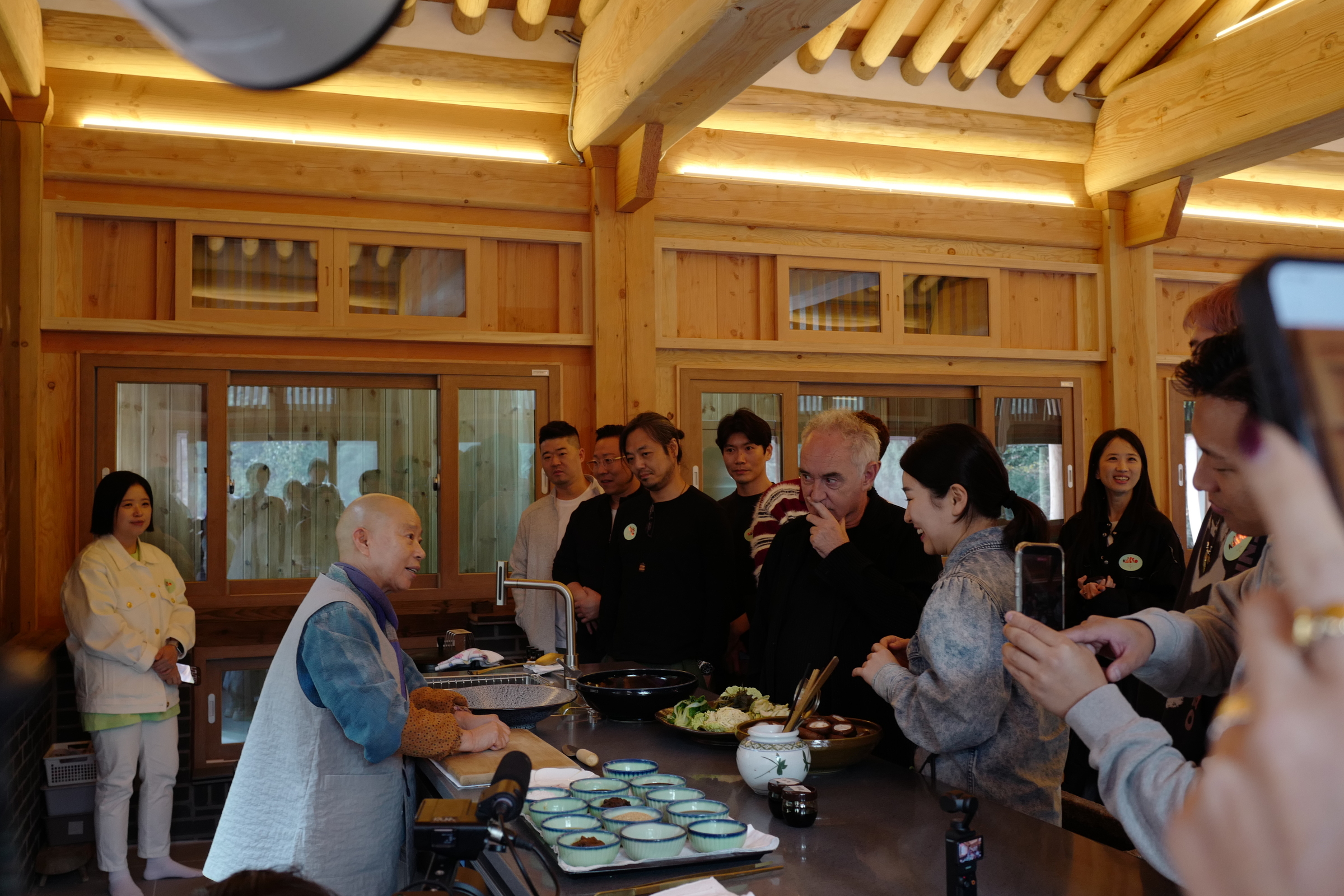
The day gathered Chefs Lee Jun of Swanyeh, Lee Chung-hoo of Zero Complex and Kim Jin-hyuk of Alla Prima from Korea, alongside Ferran Adrià (elBulli Foundation) and Toni Massanés (Alícia Foundation) of Spain, and Suzanne Cupps, Jihan Lee, Yuu Shimano and Fidel Caballero from the US.
Coming from different cultures, the chefs reread the essence of Hansik through the temple's meal offerings and its fermented foods. Ferran Adrià put it this way: "Hansik's fermentation is the oldest experiment aimed at the future of world cuisine." As he said, fermentation is not simply a cooking technique — it's a way of thinking, an aesthetic that time itself has made.
Ferran Adrià's view
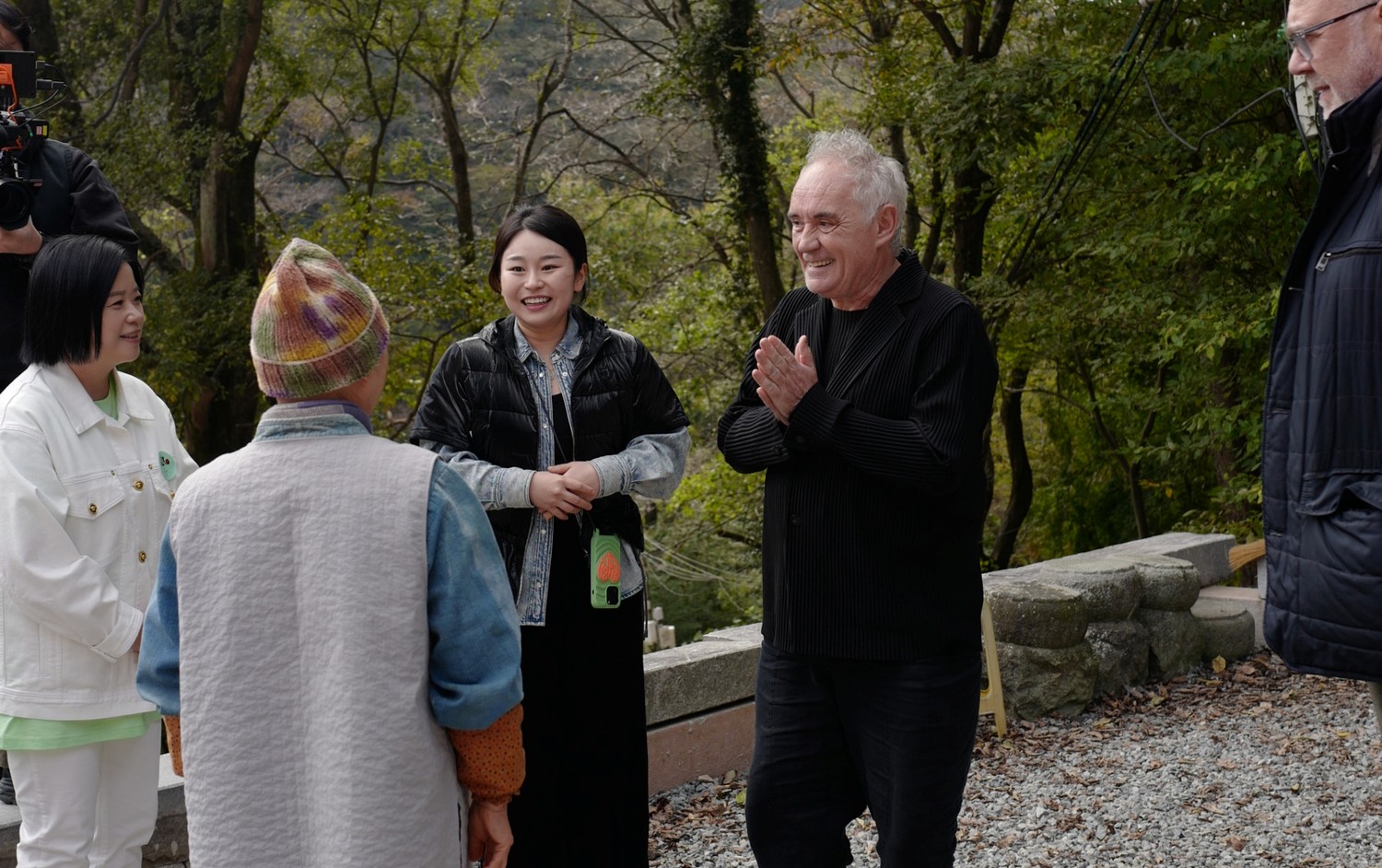
Standing at the row of onggi jars at Cheonjinam and taking in the long-aged smell of fermentation, Ferran Adrià said, "Tradition isn't something that has stopped — it's an experiment that keeps evolving." He read Hansik's fermentation both as scientific inquiry and as creative language. For him, the temple meal at Cheonjinam was "a collaboration between time and the human being," and cooking was its record.
Toni Massanés's take
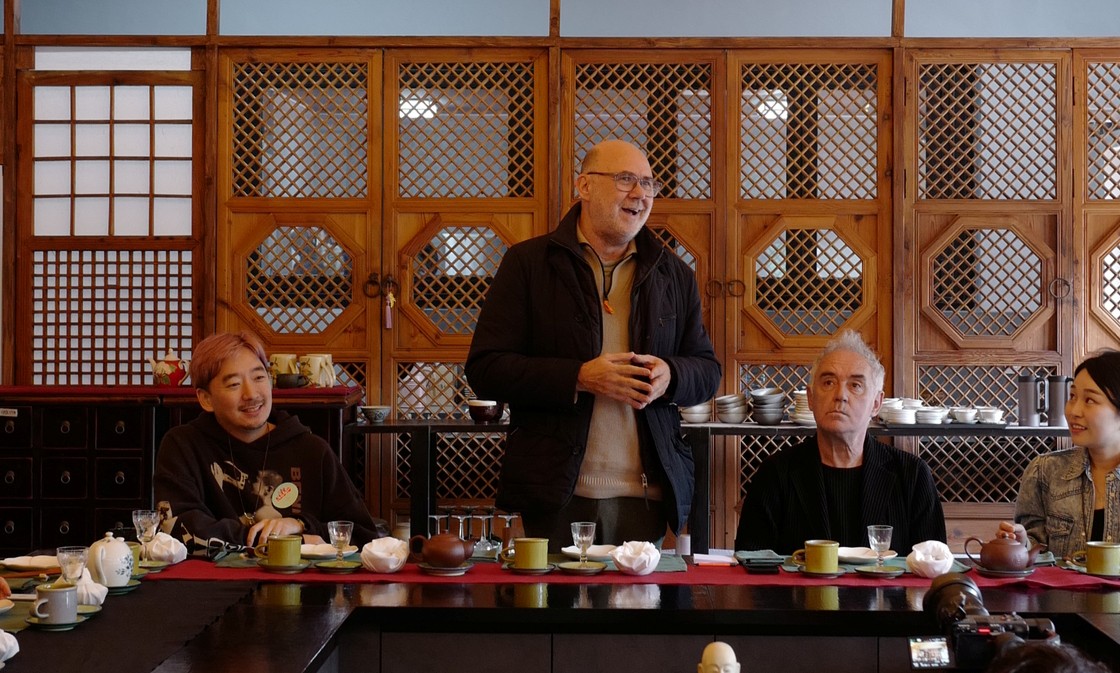
Toni Massanés added, "Fermentation is a science and it's a language of culture." At Ven. Jeong Kwan's table, he said, he saw the archetype of "sustainable gastronomy." Not going against the flow of nature, building food to the rhythm of the region and the season — that is precisely the essence of Hansik that the world is watching.
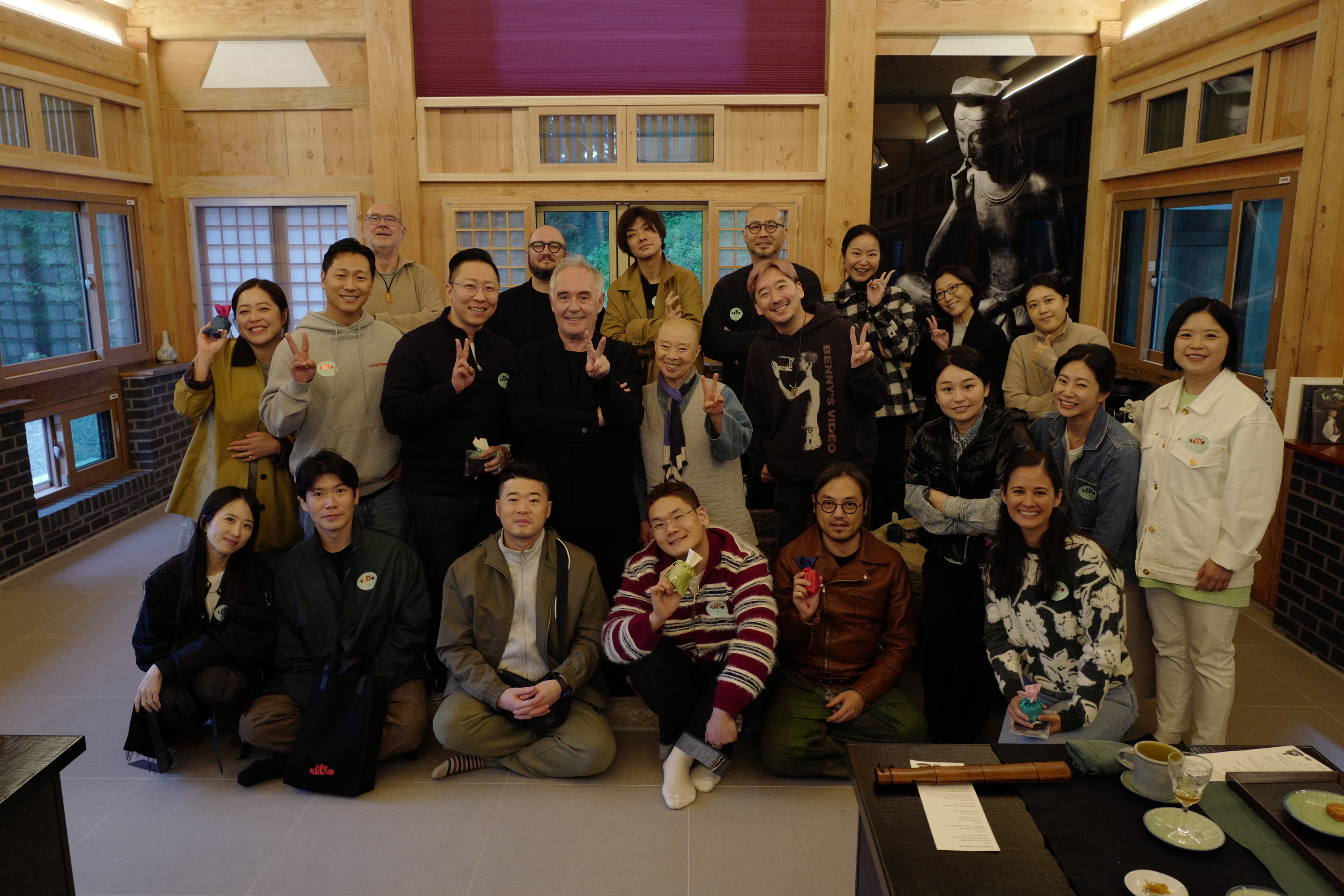
Through this gathering, NANRO Heritage rejoined the roots of Hansik and gave itself time to translate their meaning into the language of the world and to share it. The conversation that unfolded at Cheonjinam was not a temporary experience but a philosophy of Hansik that will ripen over a long time. Like the time of fermentation — slowly, firmly — Hansik is still ripening out in the world.