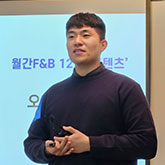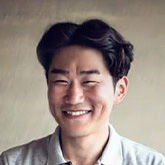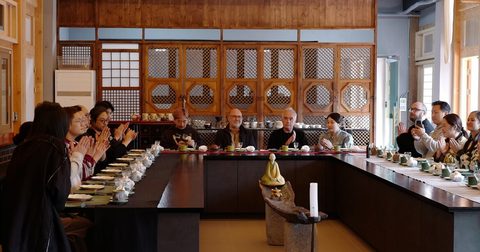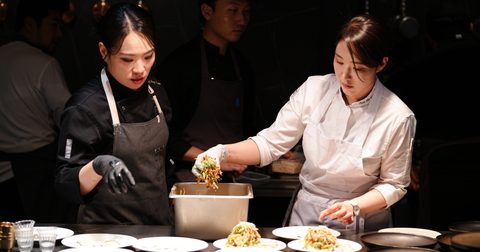
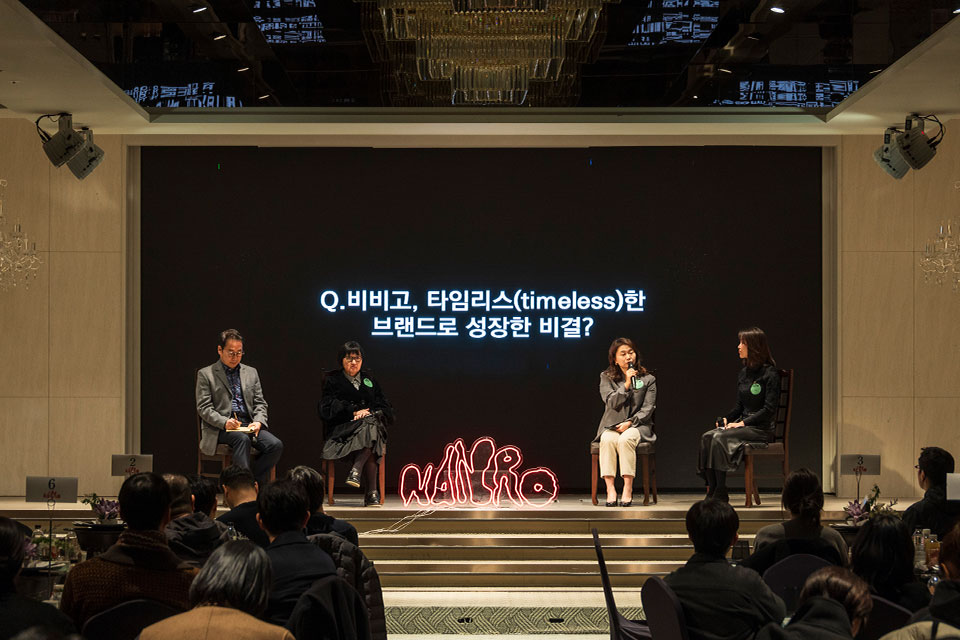
Part 3 brought together CEO Noh Hee-young, who led Part 1, and Professor Hong Sung-tae, who led Part 2 — joined this time by Kim Sook-jin, Group Head of the Bibigo Brand at CJ CheilJedang.
Part 3 ran as a Q&A: the three of them answered questions collected before the event.
Q1. What is the secret to Bibigo becoming such a timeless brand?
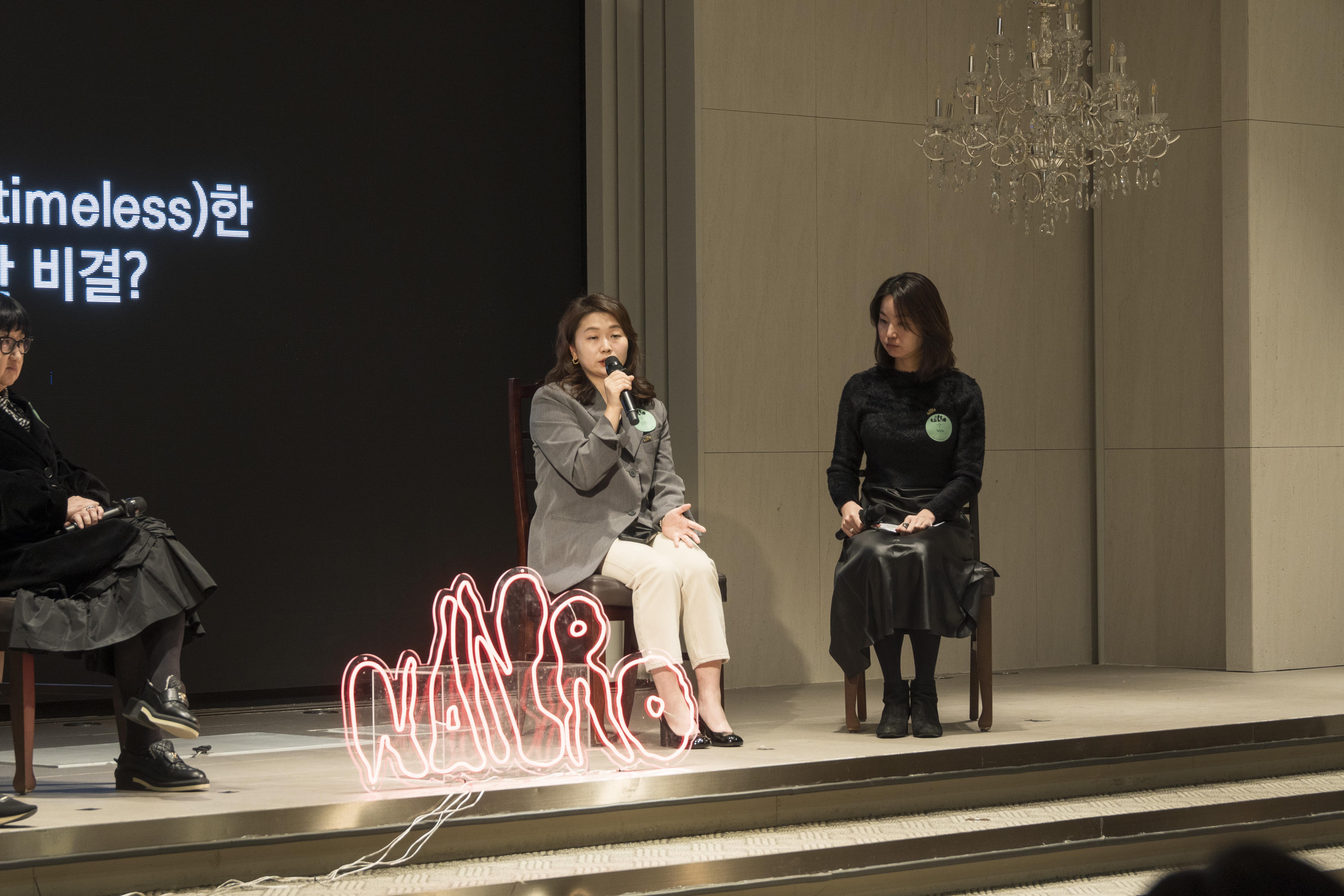
Kim Sook-jin, Group Head, CJ CheilJedang:
I would say there are three big ones. The first is a mission and vision that don't change. From the very beginning, Bibigo's dream has been to have people around the world eat Hansik once or twice a week. We put that dream at the top of every strategy document, at the front of every ad campaign, and keep coming back to it. I think that is what has kept us from wandering off, and what has let us grow on solid ground.
The second is staying in step with a changing era and changing generations. As time passes, not just me but the people I work with, our consumers, and even the world itself all shift. Every time that happens, the brand has to shift with the times. Bibigo started with classic mandu and bibimbap, but now we do jumbo shrimp mandu and even bunsik.
The last one, I think, is the people. Most of the people who work on the Bibigo brand seem to carry a dream of introducing Hansik to the world. Because of that, there are a lot of us who work under our own steam and give each other momentum. All of that tightening up together, I think, is what has produced the good synergy.
Q2. Along the way to becoming a three-trillion-won brand, Bibigo has hit plenty of rough patches. What did you hold onto most when you were pulling through them?
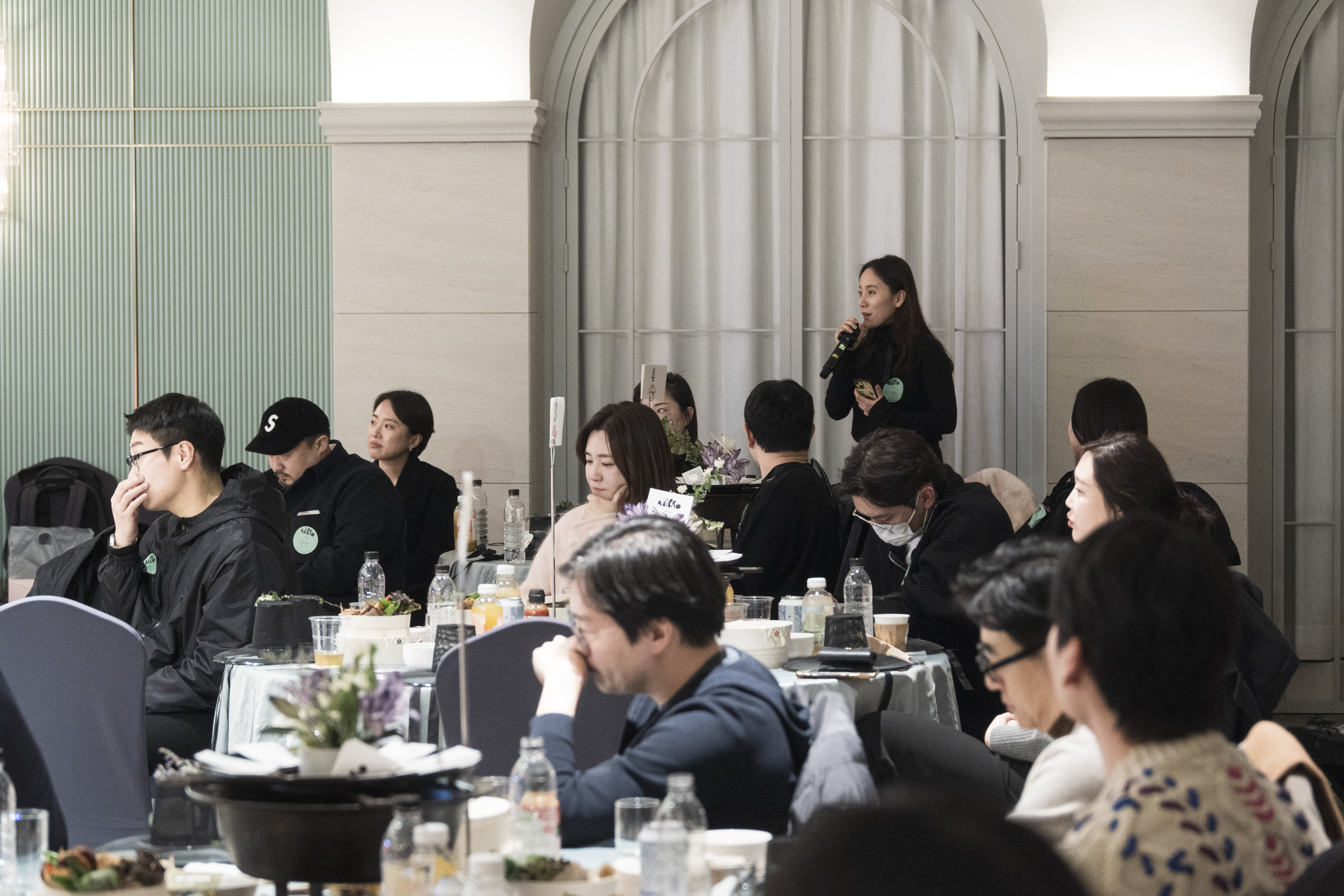
Kim Sook-jin, Group Head, CJ CheilJedang:
First, I think you have to see your own company clearly and honestly. Admit quickly what you are not good at, and if you can buy it, honestly, I think the sooner the better.
The second is reading the consumer well. However badly a brand wants to do a certain business or a certain communication, if the consumer doesn't understand it and doesn't buy it, that's the end. So I try, all the time, to catch what the consumer actually wants.
The third is separating yourself from the brand. The person managing a brand gets older, and the customer using the brand gets older too. If you don't separate the two, the muse and the target you're chasing just drift along with you. What you should be doing is not "the twenty-somethings of the past are now thirty-somethings, so we reshape the portfolio" — it should be "the twenty-somethings today are not what twenty-somethings used to be, so we update the portfolio."
Q3. In an F&B company's push overseas, what are the advantages only a large corporation has, and what are the advantages a small company can have?
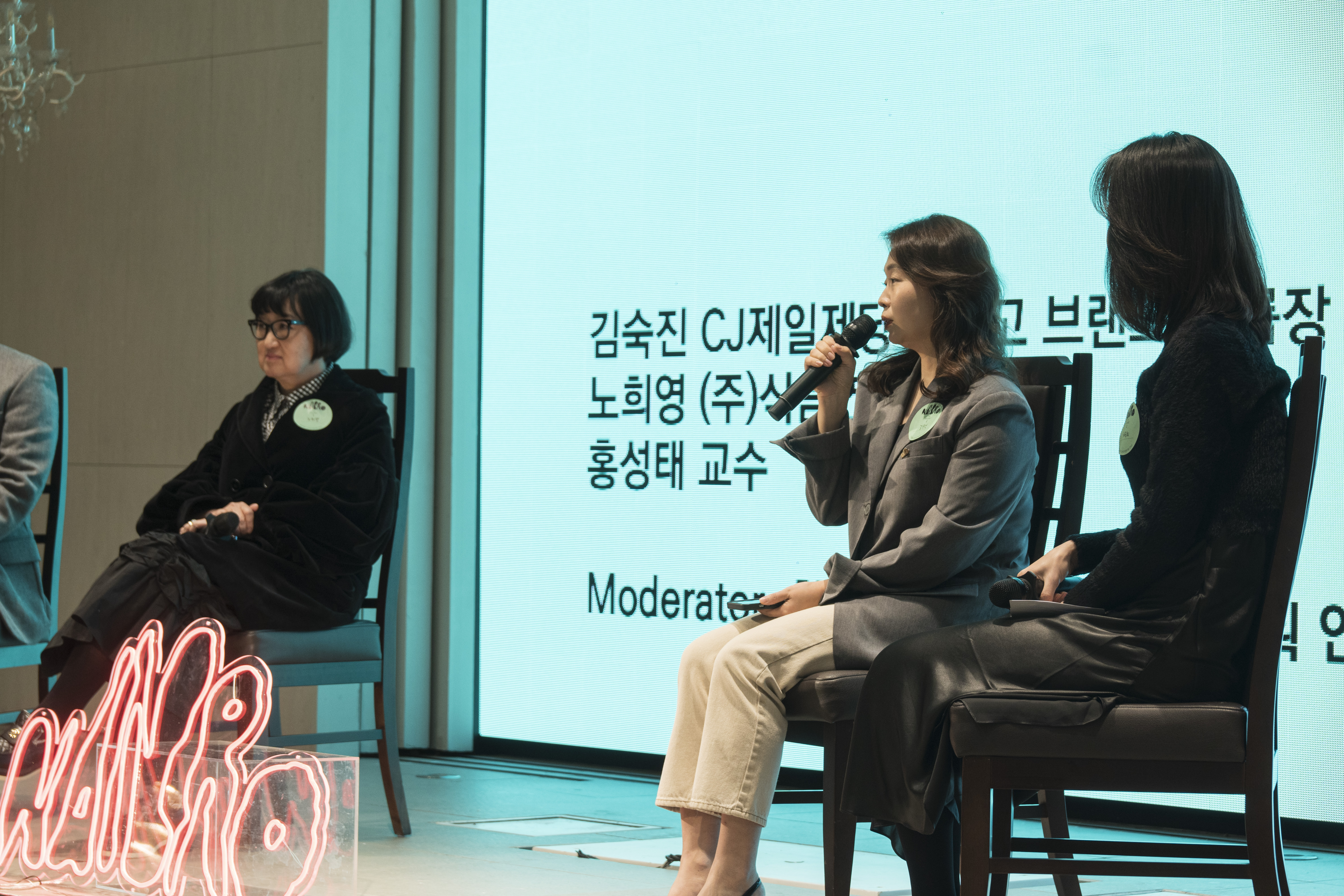
Kim Sook-jin, Group Head, CJ CheilJedang:
The advantage I feel, working in a big company, is capital. Because we had capital, Bibigo could survive the years it was running at a loss and still keep running ads. Without capital, Bibigo might well have disappeared long ago.
The next is people. Looking at a single thing, having many people around lets you think about it from many angles, and challenge it. I like that.
The last is the global network. We can meet companies an individual business or a small startup would never get to meet, and even reach the point of a partnership — the help and opportunities that come from that are, I think, another advantage of a large company.
What I envy in startups, on the other hand, is that they can pursue a sharp branding strategy — one that moves a single person deeply. We, honestly, are aiming at the mass in the middle of the bell curve. That is what keeps our business going.
Startups also often work with everyone doing a bit of everything, rather than tightly defined R&R. That range of experience and challenge is, I think, one of the great things you can gain there as a team member. Watching startups make up for their thinner capital and headcount by helping each other out — the environment and the culture they build together — is a real strength too.
Q4. Tell us how you come by your branding insight.
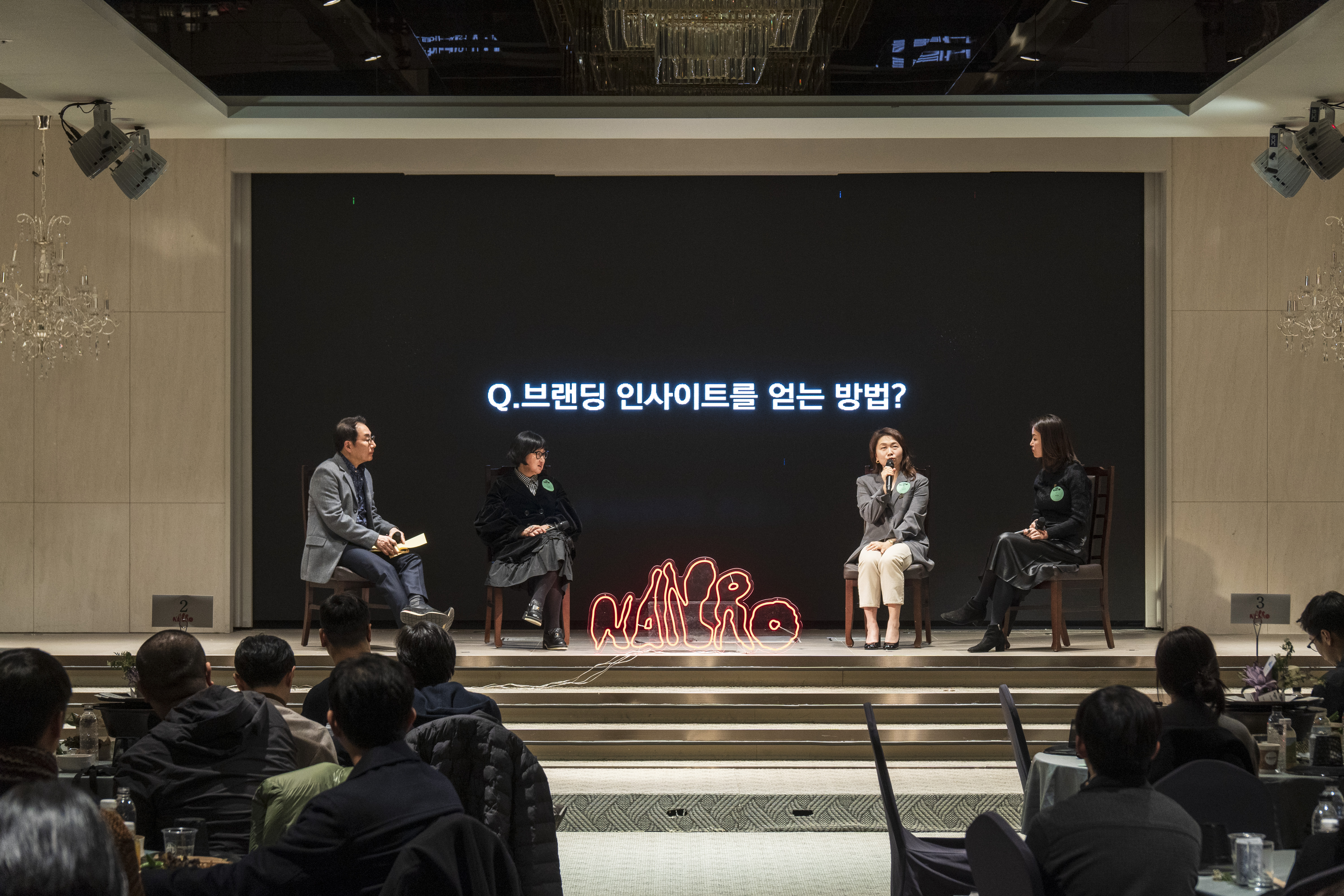
Kim Sook-jin, Group Head, CJ CheilJedang:
I think what has fed my insight is that, day to day, I listen and gather from every channel I can. News, books, radio, streaming — I keep every possible source of information close by. If I hear about a new restaurant that has opened, I usually try to go. Think of it as loading a wide range of categories into my head, without being picky.
Professor Hong Sung-tae:
Get out and see things, and see a lot of them. Wandering around on your own is one way, but I would say — try going with someone from a different field, or someone unlike you.
Using social media is another way. People say the algorithms nowadays are so good at finding your taste that heavy social-media use pushes your thinking to one side — but you could just as well call that depth. Of course you should skip the noise, but when it comes to your own field, the market you care about, the brand you follow, using social media to keep digging and widening what you know is not a bad move at all.
The last thing I want to say is: pay for it yourself, and try it yourself. What other people call good has no meaning. Only when you have used it with your own money and felt it was good yourself does it start to click — and only then can insight really open up.
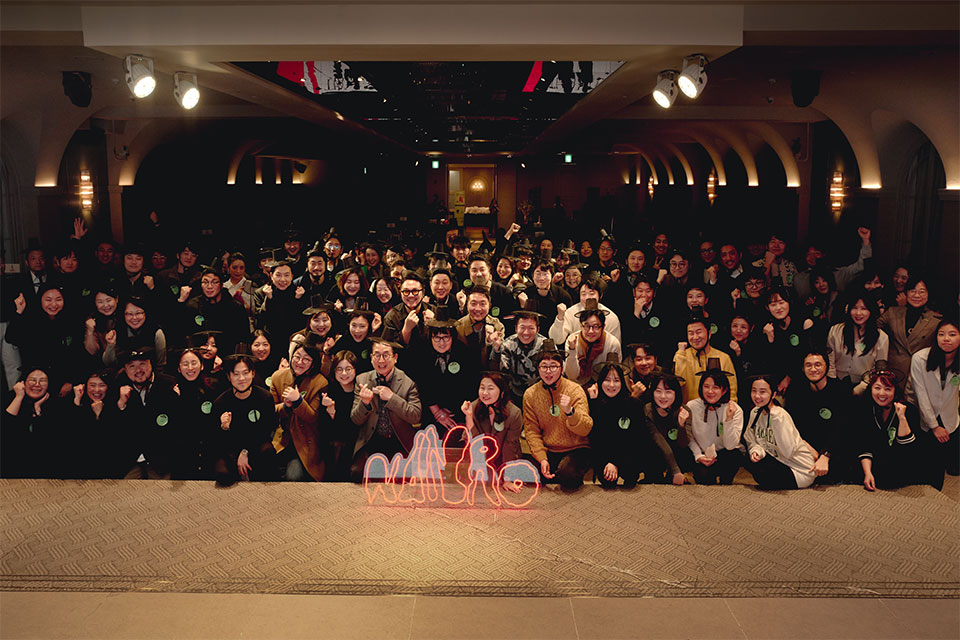
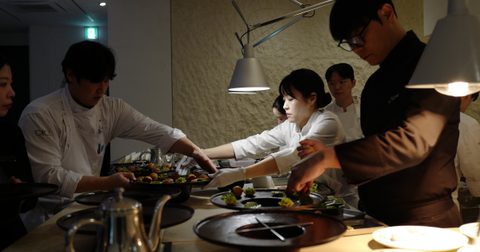
And so, over about two hours, the first NANRO gathering of 2024 came to a lively close. Even with an example as strong as Bibigo, and with the world's eyes now turned toward Hansik, taking one country's food culture out into the wider world is anything but easy. And yet, if we keep gathering the embers and letting the fire grow, we do not think it is impossible either. It won't be long, we believe, before our banchan, our jang, and our culture of meat find their place at tables across the world.