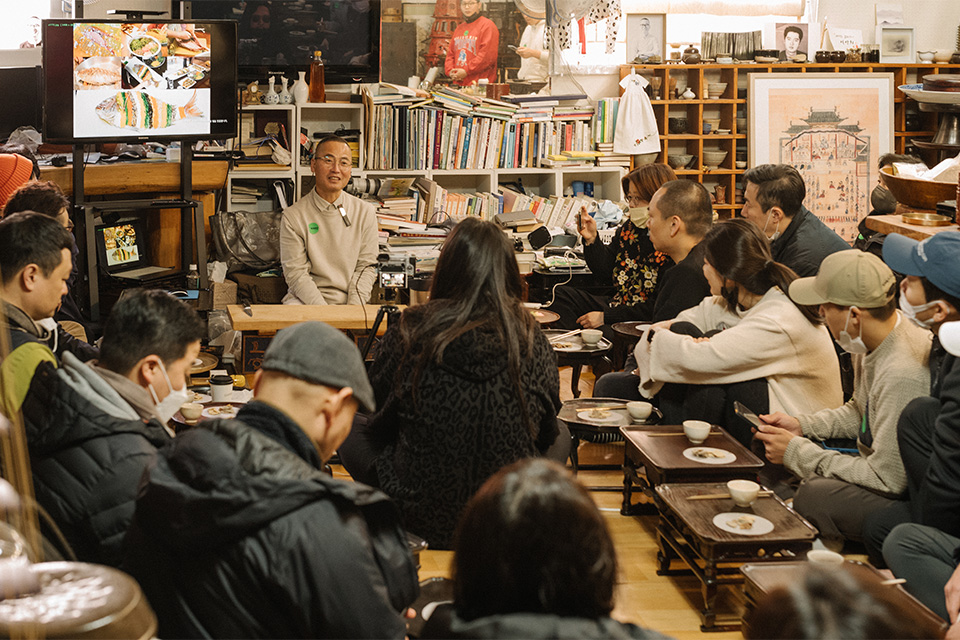
Two Tongyeong specialties you won't easily meet in Seoul: dried cod sashimi and hapjajang
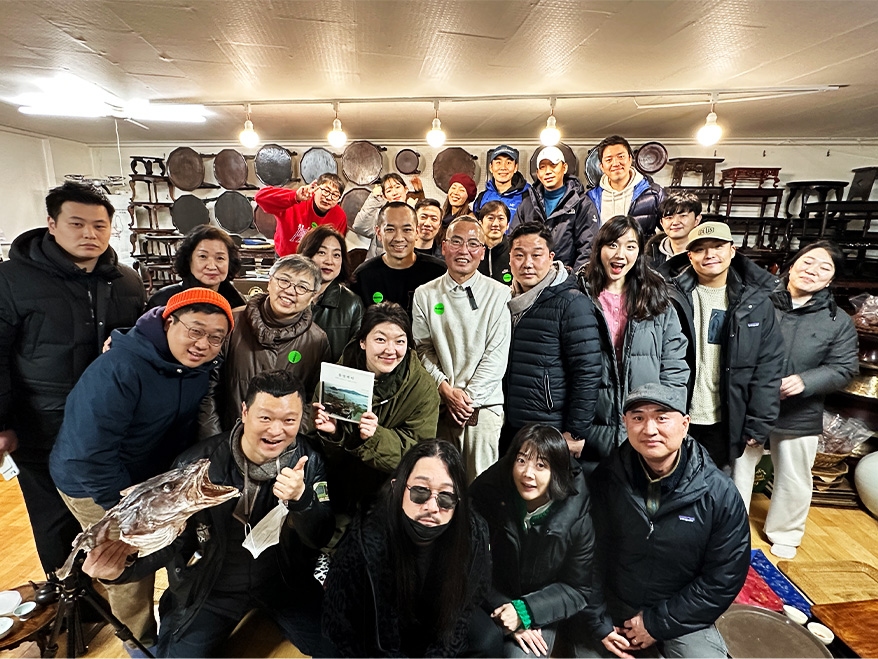
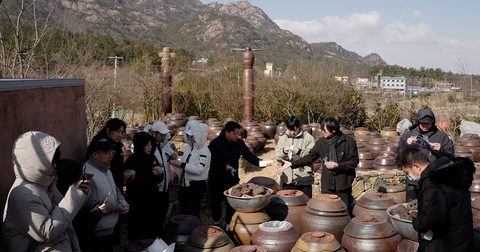
Over the course of a four-hour session, we watched a demonstration of how to break down a cod whose surface has been briefly dried, and tasted hapjajang — the deep-savory sauce made from mussels — across different aging periods. Along the way, we traced the drinking culture of Tongyeong and the rich range of dishes still found in its restaurants.
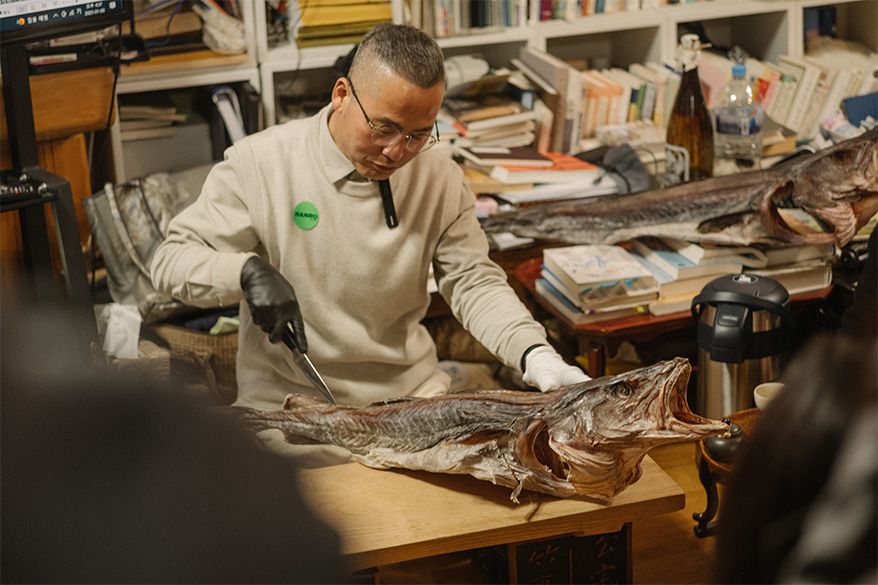
Cod dried in the sea breeze — a texture and depth of its own
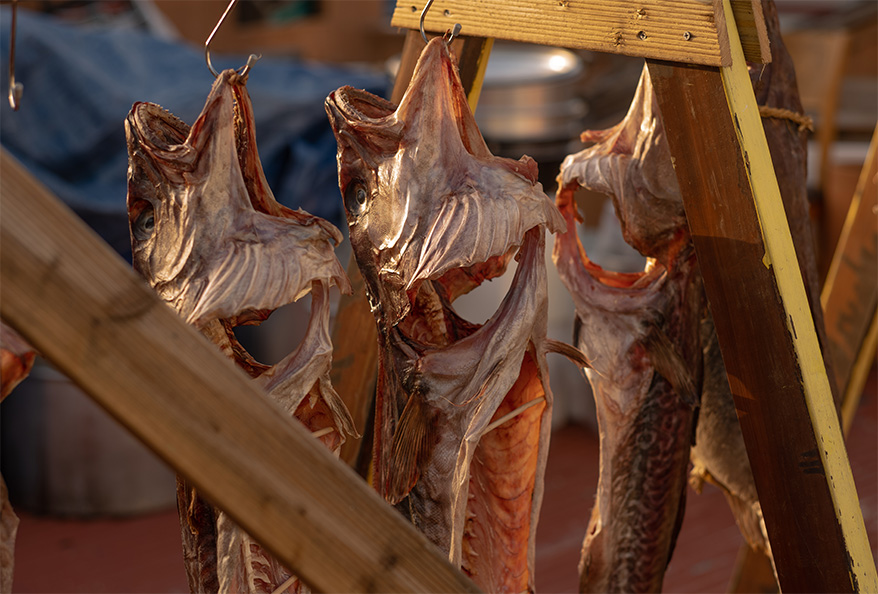
Cod is a soft-fleshed fish, and Koreans rarely eat it as sashimi; a firmer, chewier bite is the standard preference. But when you strip out some of the water by drying it, a different set of textures and flavors emerges. Sea-dried cod sashimi isn't really about preservation — it's a way to eat a cod with more depth. Whole cod, once a prized dish reserved for the wealthy families of Tongyeong, could weigh more than 7 kg; the largest were called nurungi, "the cows of the sea."
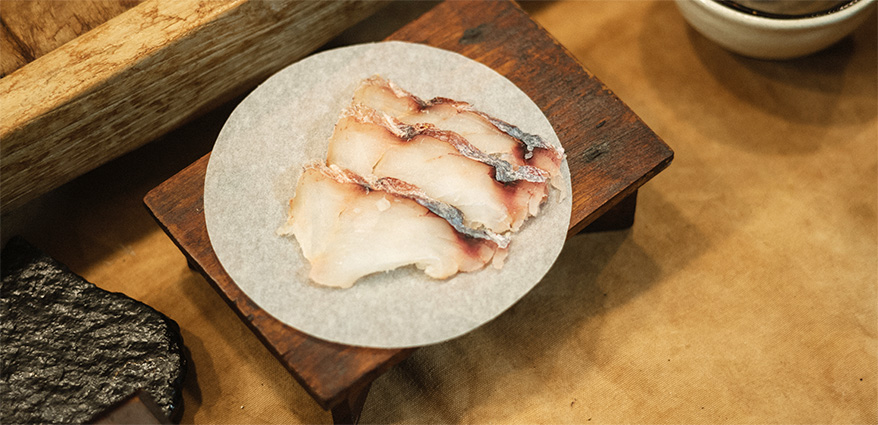
After more than ten days of whole-fish drying, the surface goes dry while the interior stays moist. That contrast produces a texture you don't get from fresh cod sashimi. A faint fermentation note rises from the still-moist interior, but if you already enjoy jeotgal or kimchi, it's nothing like a challenging level of ripeness. It's dipped in a soy-based sauce laced with dropwort, sesame, and chile.
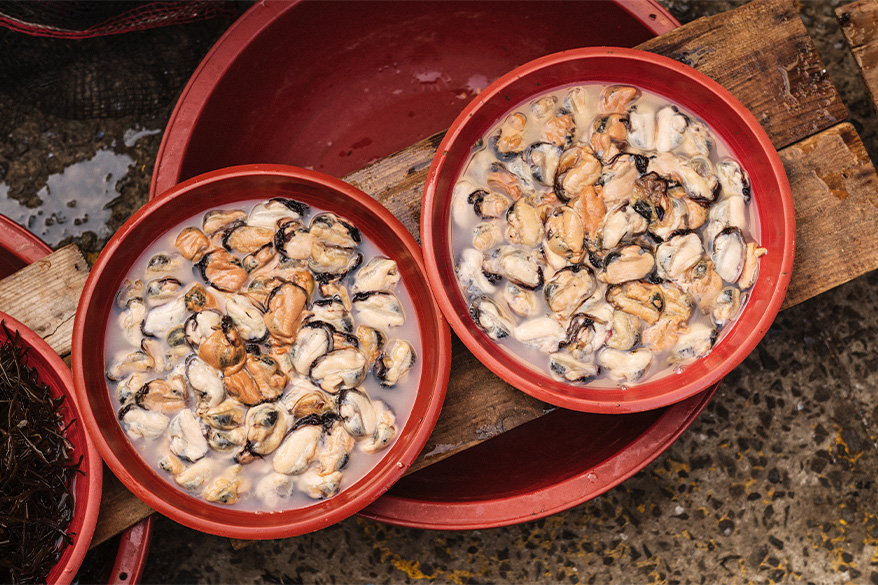
Hapjajang: a deep-flavored, deeply savory sauce
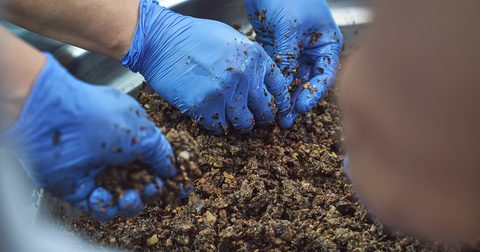
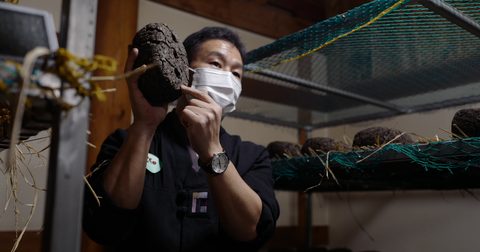
Just as oyster sauce lifts the seafood note in a dish, hapjajang plays a similar role. It's made by simmering mussels (hapja) in water for a long time and reducing them down. Even boiling 100 kg of mussels yields only about 1.5 L of sauce — which is why making it from scratch takes so much time, and why it isn't cheap to buy: a 250 ml bottle runs about 100,000 won.
The color is a deep near-black, and the aroma feels like concentrated seafood distilled into a single liquid. On the tongue it lands with a full, weighty umami. It's typically used in small amounts, in the final moments, to bring aroma and savoriness — not as the primary seasoning.
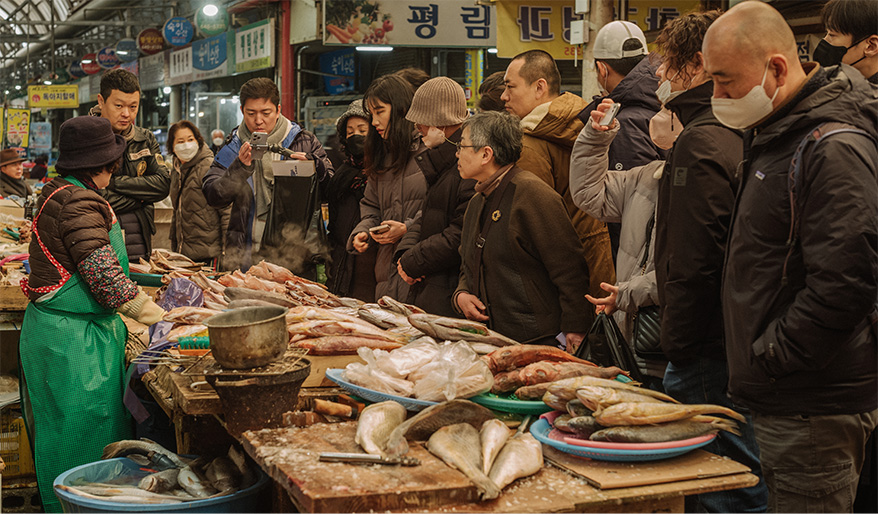
In chefs' hands, hapjajang finds a new set of wings
Chef Uhm Tae-jun of Solbam (Michelin One Star) brushed grilled abalone with a hapjajang he'd reduced himself, then finished it over heat — often demonstrating the step in front of guests, so he could explain how hapjajang works as a natural seasoning. Chef Shin Yong-jun of Restaurant Joo052 turned it into a bar snack: a makgeolli cracker sprinkled with mussel salt, topped with hapjajang and mussels alongside nuts and onion — a one-bite where crackle and umami sit together.
Chef Ok Dong-sik, who serves his signature pork gomtang under the Ok Dong-sik name in the United States, worked in a new ingredient — reducing 5 kg of wild sub-mussels from Korea's west coast down to 230 g of sauce. Chef Chun Hyeong-gyu of Gucci Osteria — Gucci's restaurant venture — made a pasta with smoked mussels and added hapjajang for extra depth of umami.