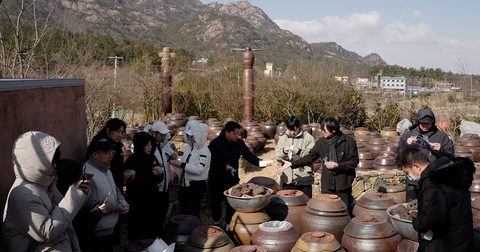
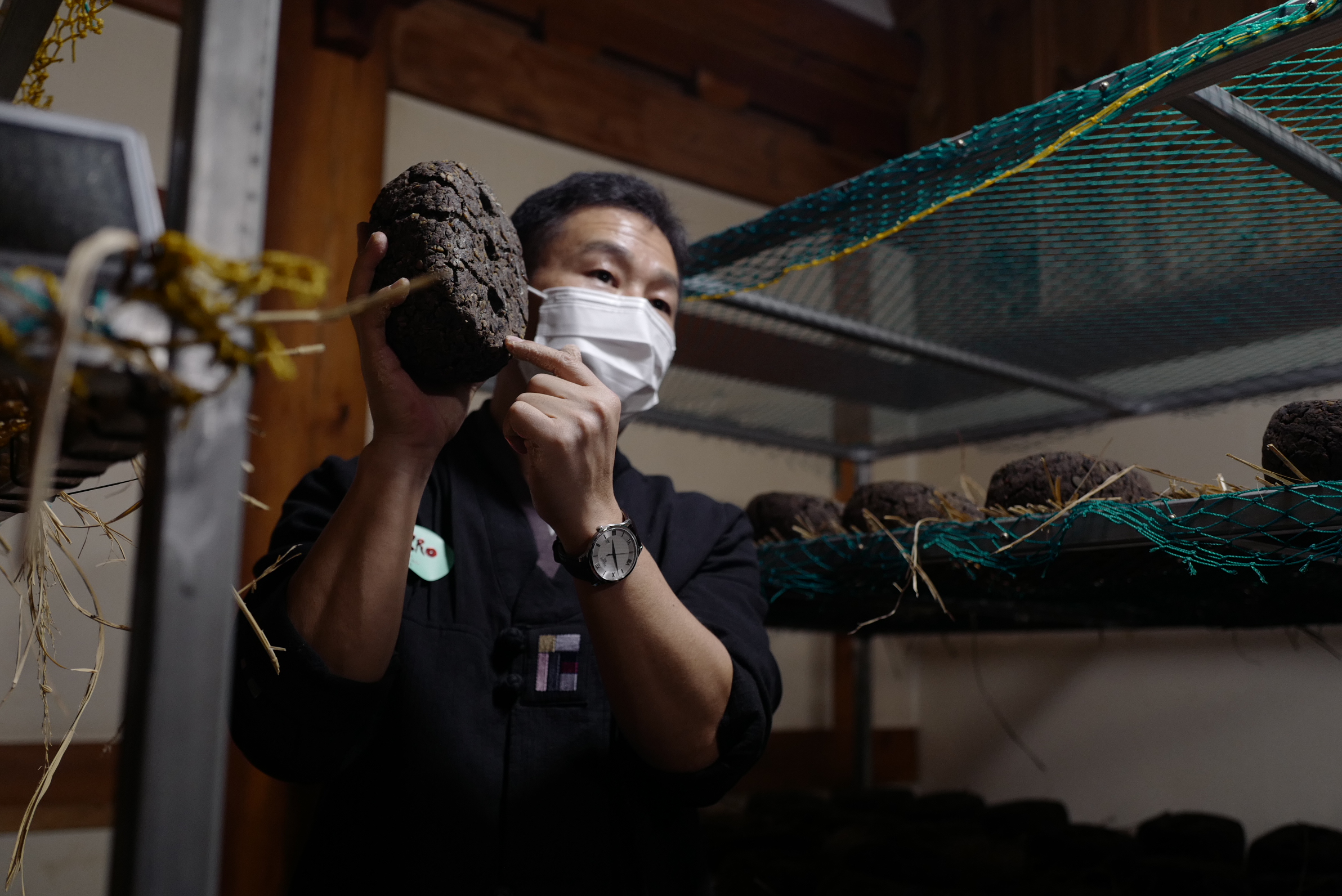
On December 4, 2024, Korea's jang-making tradition was inscribed on UNESCO's Representative List of the Intangible Cultural Heritage of Humanity. Jang isn't simply a fermented food. It is a form of accumulated wisdom and technique — the foundation on which nearly every dish sits. But how much do we actually know about it? Are we simply repeating the old methods without understanding them?
This piece is a share of the day we spent looking at our jang with a slightly more analytical eye — [NANRO ACADEMY: Kim Myung-sung Fermentation Research Lab_Jang].
Ask "Why"
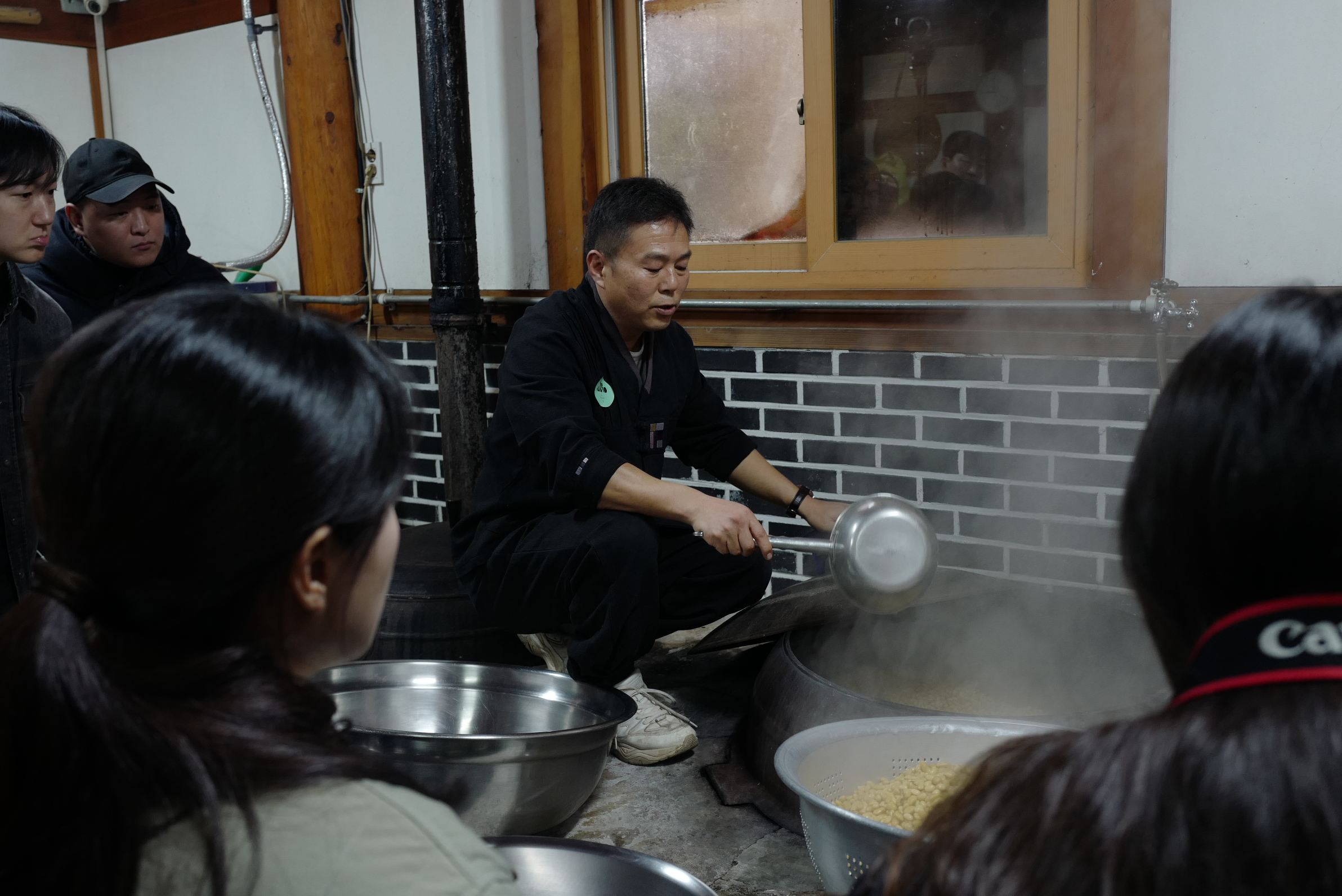
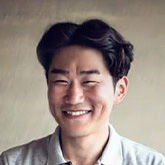
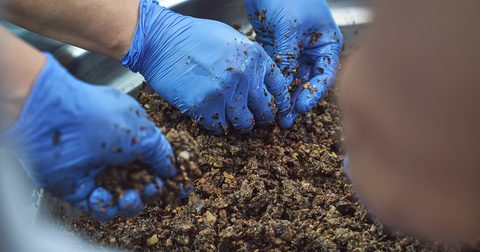
Director Kim Myung-sung stressed that every step in fermentation must have a reason — and that reason must be one you can articulate clearly. Take boiling soybeans to make meju. "Why do we boil them?" "Why for six hours?" — asking questions of that kind is how you find the logic behind the process and identify where it can be improved. Passing on tradition and mimicking tradition are not the same thing. What matters is understanding the reason for each step and letting it evolve with the times.
▶ Kim Myung-sung, Director, Fermentation Research Lab:
"Why do we have to boil the beans for six hours? Not five? Not seven? What matters isn't how long you boiled them. It's why that particular length of time."
"Boiling for six hours means the beans are so soft you can crush them with the gentlest pressure. But when soy is boiled that far, its moisture content climbs and its density becomes too high — an environment that makes it hard for the microbes fermentation depends on to settle in. And yet, in the past, people boiled soy until it was fully soft. Why?"
"In the past, the mortar was outside. And when do we make meju? In the cold winter wind. So when you carried the cooked beans out to the mortar to grind them, all that softness went stiff again in the cold. Grinding them by hand became hard work. Why hard? Because a person was pounding hard beans with their own strength. Do we still grind them by hand out in the winter wind today? No. Once you sit with that context and understand it, the idea that you must boil the beans for six hours disappears. And you gain the confidence to boil them for less — because now you know why the shorter time works, too."
"You can still make meju without knowing any of this. But can we really pass our culture on? I don't think we can — not properly."
Consistency of Flavor
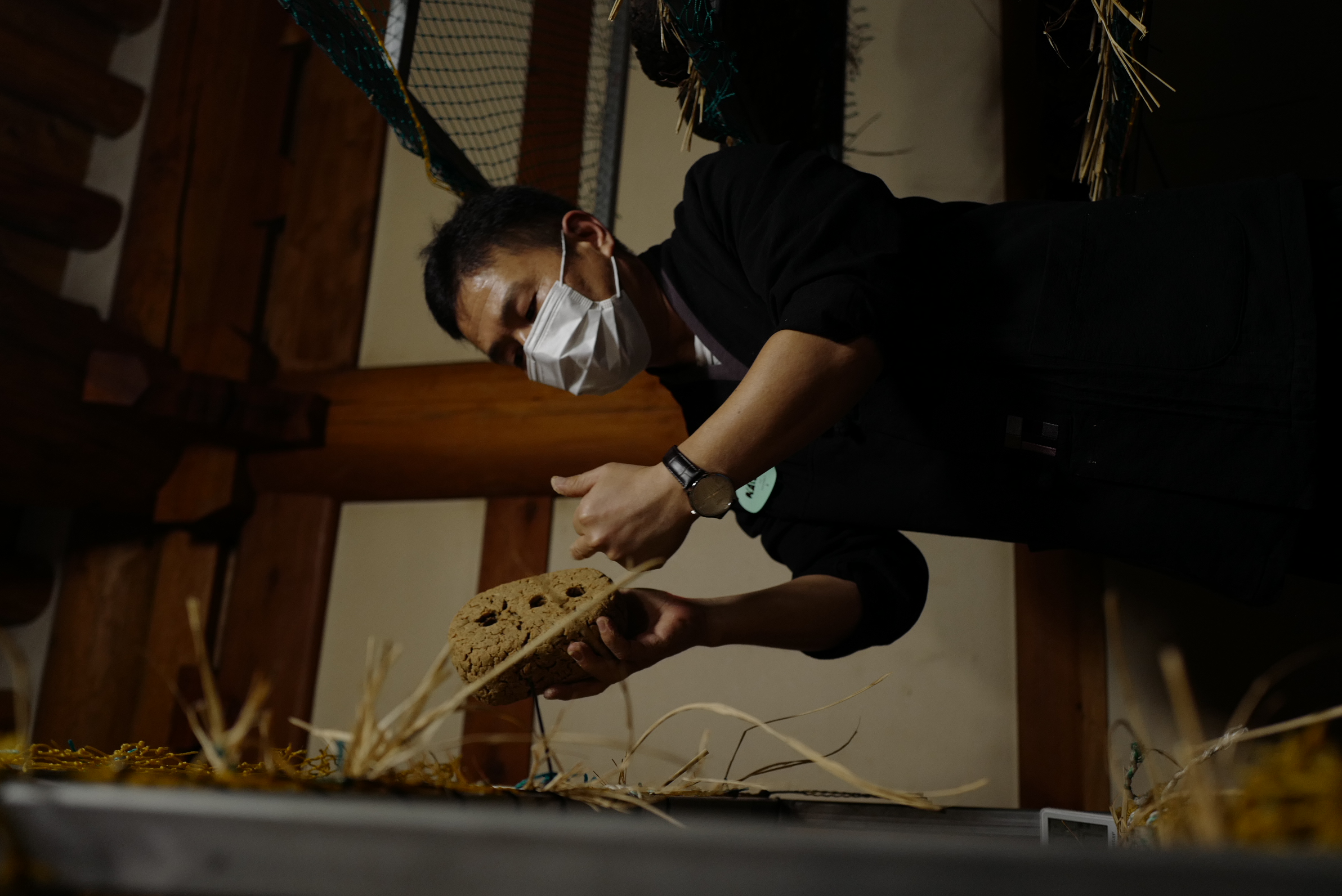
Director Kim described one of the chronic problems in fermented foods: that jang tastes different every time it's made, and that we accept this as natural. Just as in cooking — where the same recipe producing a different flavor each time would be a problem — fermented foods, too, ought to hold a consistent taste and quality. Fermentation is a natural process, but a modern approach can manage it more precisely. What's needed is a clear analysis of fermentation conditions and the discipline to record them, so that a stable quality can be held.
▶ Kim Myung-sung, Director, Fermentation Research Lab:
"People say jang tastes different every time you set it — that it tastes different depending on who's making it. That's the sentence I dislike most. Imagine your cooking coming out differently every time — the same dish. Could you really call that good cooking? Then why do we accept that jang can be different every time? It shouldn't be. Analytically maybe not identical, but on the palate, it has to be."
"If you were using our lab's jang and it tasted different every time you received it, how could you trust the lab? If we want to close the gap in Korean fermentation, we have to be able to explain the process and the phenomena — and we have to make the results consistent, batch after batch."
From Superstition to Science
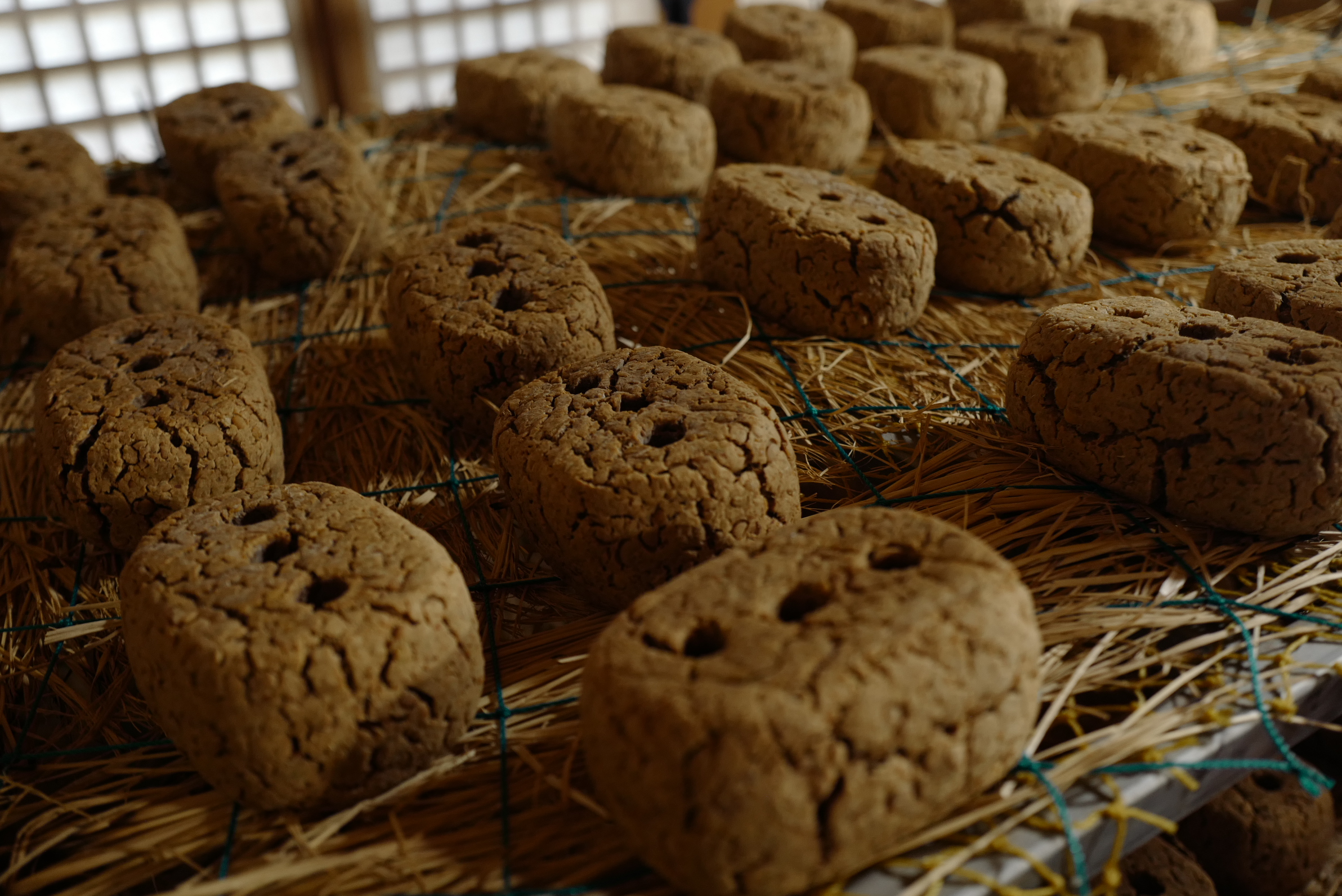
To move deeper into jang, meju, and fermentation as a whole — what should we ultimately be studying? Director Kim's answer: the role of microbes, which for a long time we've been content to leave in the realm of superstition. Unpacking that role scientifically already yields fresh insight into the traditional methods of fermentation. From there, more systematic research and even industrialization become possible.
▶ Kim Myung-sung, Director, Fermentation Research Lab:
"What we need for meju fermentation isn't rice straw itself. It's Bacillus subtilis — gochogyun, as we call it in Korean — the microbe that lives on the straw. Look closer at the name: 'go' as in dry, 'cho' as in grass. It's the microbe that thrives on dry grass."
"When does grass dry? In summer? No — in winter. And this gochogyun becomes active at temperatures around 5°C on average. Food-poisoning bacteria, by contrast, tend to thrive in hot, humid conditions. Gochogyun, though, can survive even the cold. That's why we make meju between November and April — in winter. Simply unpacking the role of microbes scientifically lets us understand and explain a great deal. And it opens the door to efficiency and variety too."
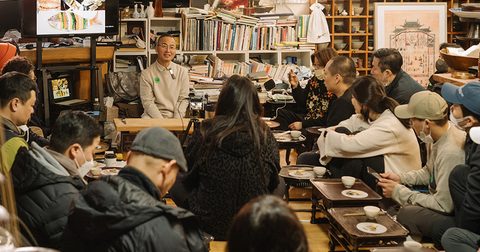
Three takeaways from three hours of discussion. First: every phenomenon in fermentation should be explainable. Second: we need industrialization capable of holding taste and quality steady. Third: we should evolve traditional methods into modern practice by understanding the role of microbes scientifically.
Preserving tradition matters, but understanding it more deeply — and building on it — is what lets a jang culture endure. Not simply repeating the past, but asking "why?" and pursuing that question scientifically. That, in the end, is what real inheritance looks like, and the path toward the future.