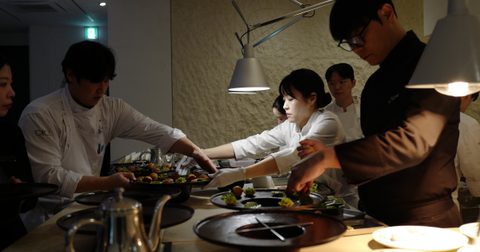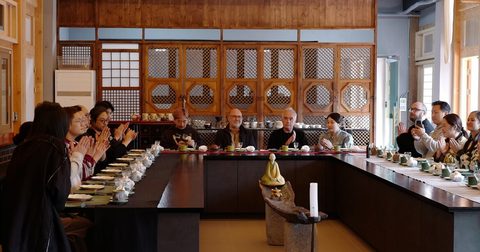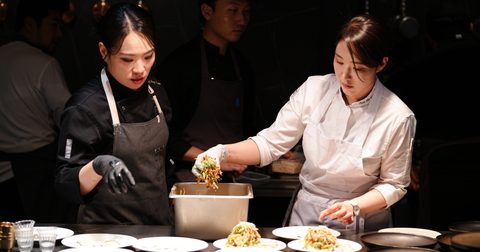
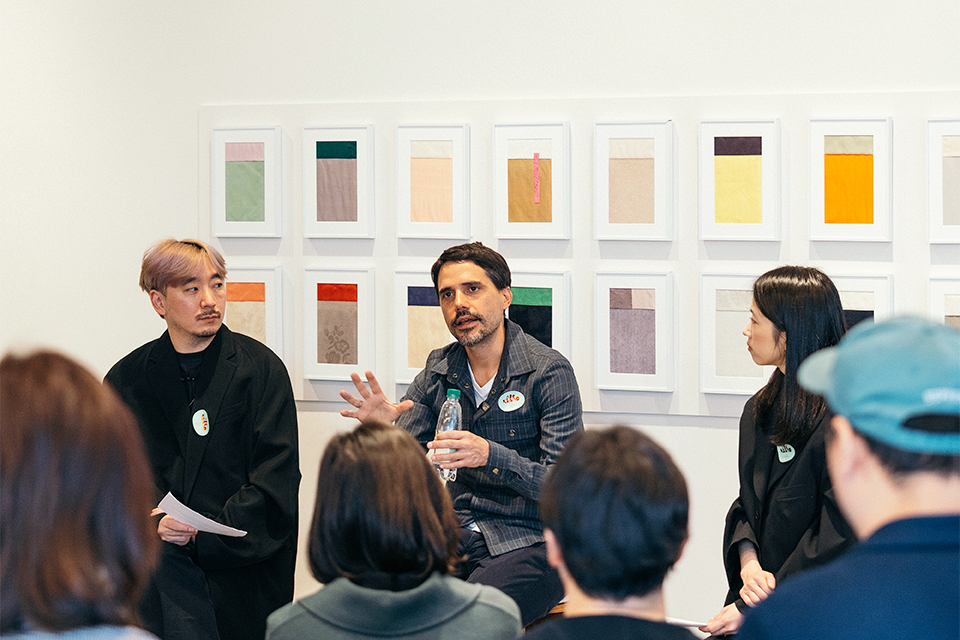
The finest ingredients and the richest culture, met in a country still called "poor" — Chef Virgilio Martinez's Central, in Peru.
Central climbed to No. 2 on the 2022 World's 50 Best Restaurants list, taking its place among the finest restaurants in the world. Peru, by GDP and by the scale of its industries, still trails other countries where dining culture has flourished — and yet Central, met in that same Peru, is a restaurant leading the world's gastronomic conversation.
The reason Central resonated with people around the world is this: it read the global currents in fine dining while, at the same time, holding on to what makes Peru distinct.
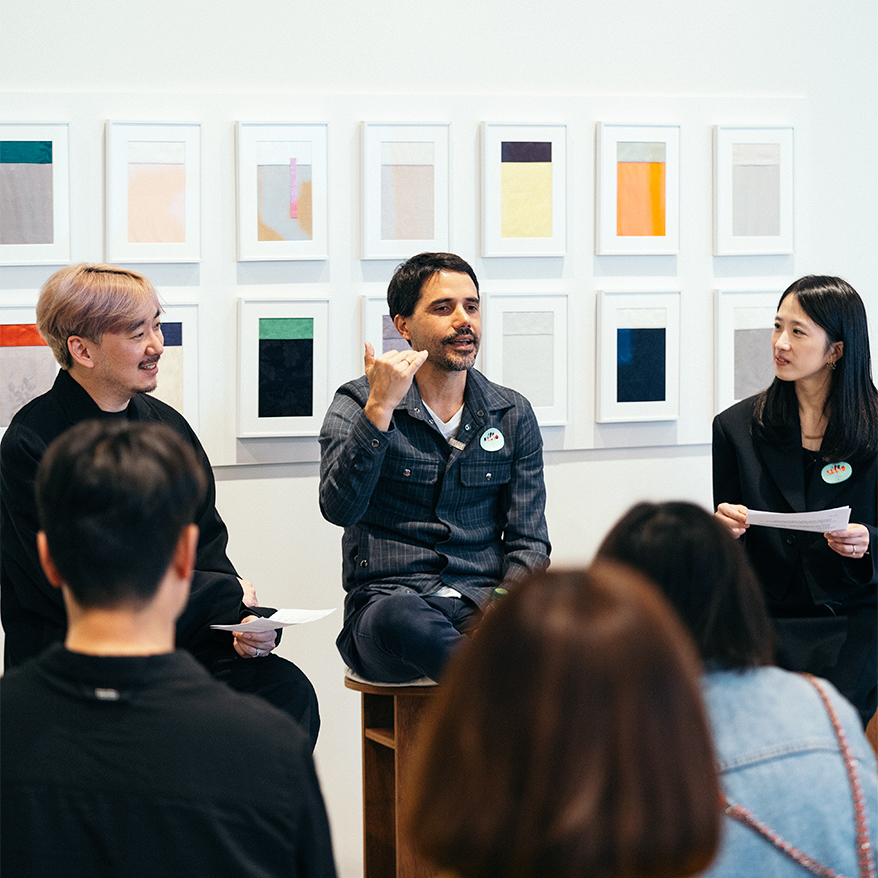
A concern for nature and for ecosystems runs through cooking today, everywhere. Central uses new ingredients drawn from Peru's own landscapes without hesitation, keeps sharing the stories behind them with the world, and steadily makes Peru's past, present, and future visible. There was much here worth studying for the growth of Korean food culture as it steps out from Asia onto the wider stage — and so we traced Chef Virgilio's path, thinking about what it might mean for Hansik's own possibilities.
When Chef Martinez was cooking in restaurants around the world and still working out what he wanted to be as a chef, Peru was barely on the global culinary map, he says. Working abroad, he learned the food of many countries — and gradually realized that building his own style out of them was going to be difficult.
The answer he found, in the search for his own cooking, was to meet the producers and go back to the origin of every ingredient. Unwilling to be seen simply as another cook in an Italian restaurant, or in an American one, Martinez went back to Peru. For a year he sat with fishermen on the coast, met farmers growing crops in the mountains. The people he met wrestling for a living in the Amazon rekindled his fire as a chef. Captivated by Peru's natural world, he began to think that in tending to that landscape, he could bring Peru's ingredients to the world.
Turning what he had found in nature and in raw materials into dishes for the world took years of planning.
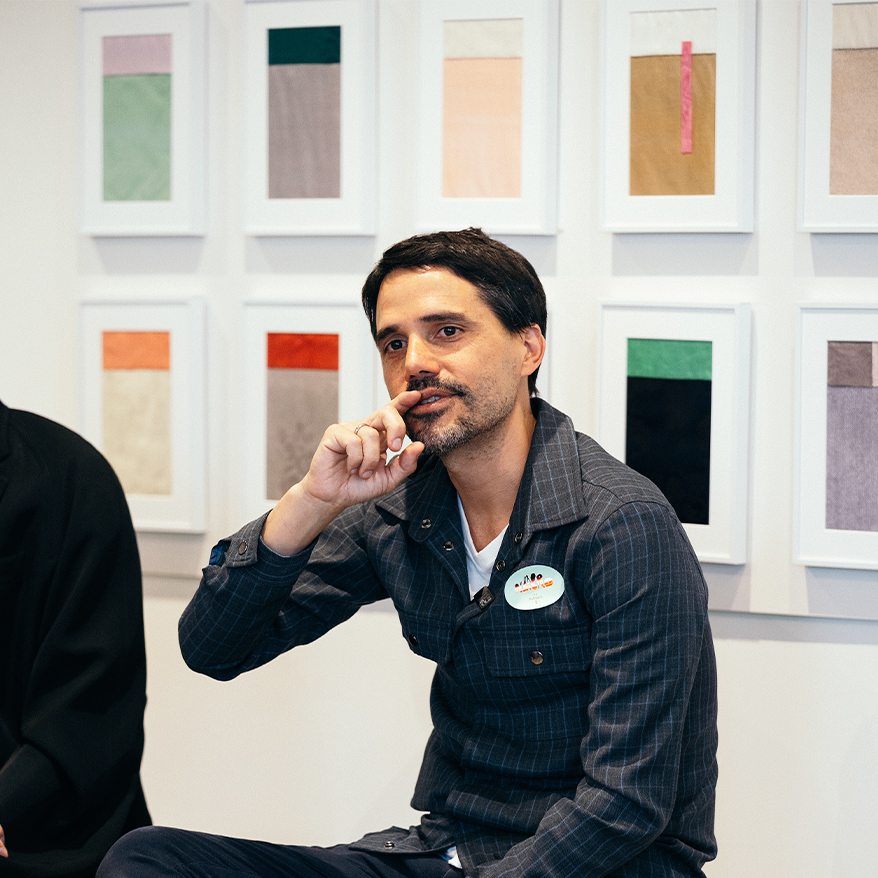
Martinez says he thought and prepared for the long term, because with a long breath, there was much a person could do. There was a time when French cuisine sat at the top and every other country's cooking fell into the category of "not French." But he saw an opening at exactly the moment the world was looking, restlessly, for new and singular ingredients. Ten-odd years on from that first attempt, Peru — with Central at its center — has moved into a position of leading the global conversation about food.
Another current running through the world was the message of ecological preservation and a healthier dining culture. As curiosity about new ingredients and new recipes rose, so did the voice calling for protection of ecosystems and a well-run food chain. Peru's nature, and Peru's ecology, have a great deal to say to these new concerns of the world, Chef Martinez suggests. The projects run by his restaurant and research team can serve as both reference and inspiration for specialists in every country working to preserve their own ecosystems and build healthy food systems — that is his belief.
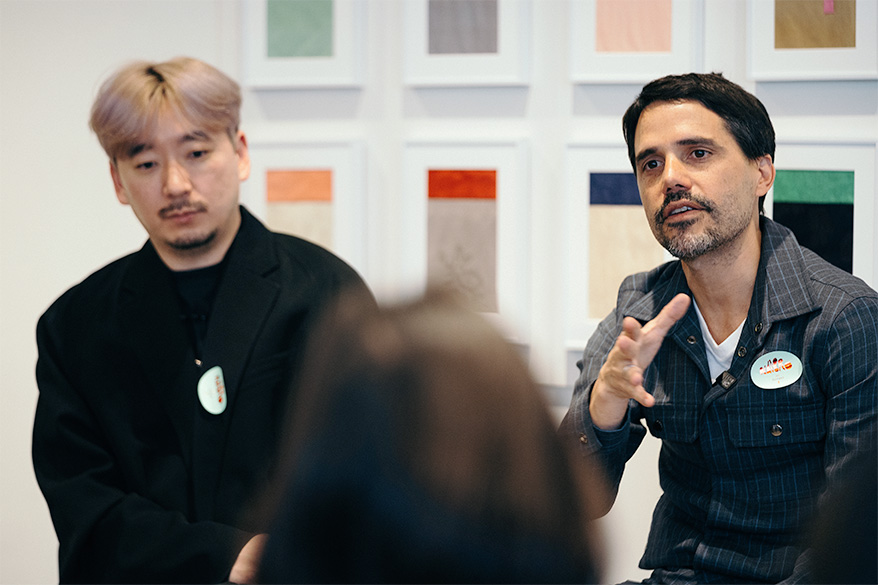
Someone, Martinez says, has to keep pushing at what "the finest experience" can be — has to keep pioneering fine dining. Plenty of chefs think about running something more casual, a place people can drop into every day, and there is nothing wrong with that. But a fine-dining restaurant is where existing trends are broken open and new ideas are put on the table. Fine-dining chefs are the ones who must look furthest into the future, which is why the chefs at Central hold that longer view and keep asking how to raise the level of the food culture we live inside.