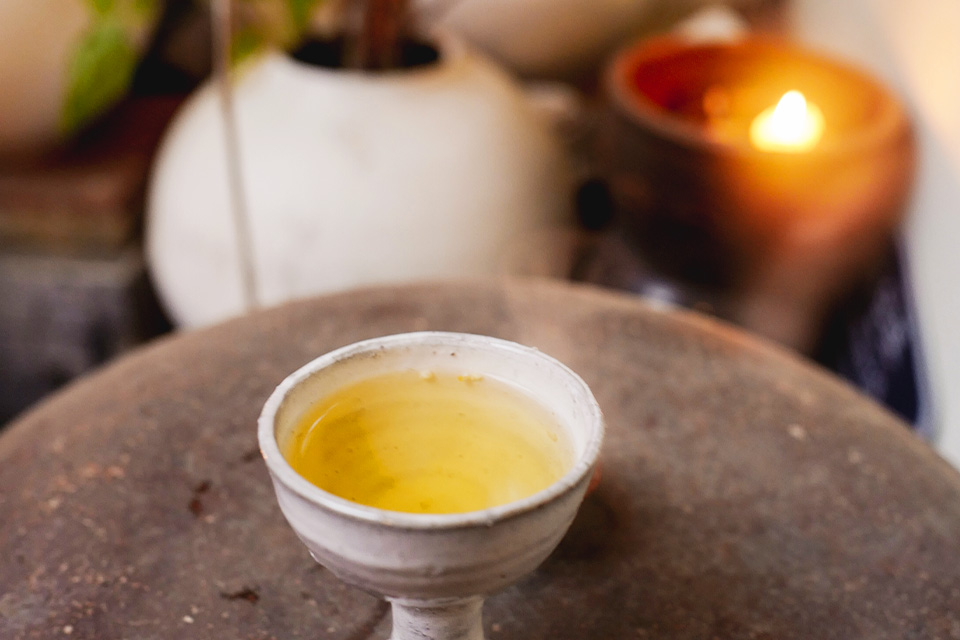
Exploring how our spirits and teas can take the global stage alongside Korean cuisine
The pairing of drink and food often leaves a memory you cannot shake. To better understand the Korean spirits and teas that complement our food most naturally, we brought people together to study their cultural backgrounds and talk them through. The goal, in the end, was to find a direction — how might we brand Korean drinks and teas for the international market?
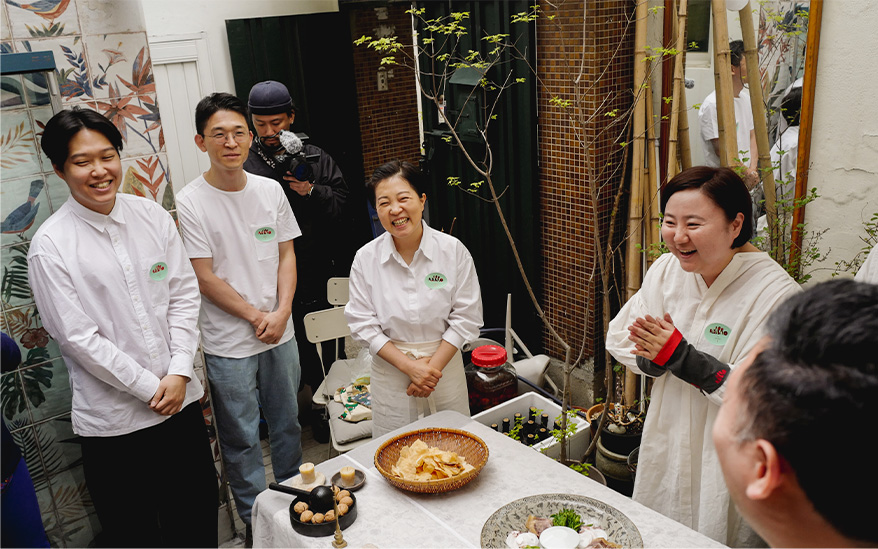
The conversation began with ingredients. Korean grains are used not only as food but also as the raw material for brewing spirits and steeping teas. Because of historical circumstances, the culture of every household brewing its own liquor was interrupted, but individuals are now studying fermentation to revive that lineage — and the stories that emerged were fascinating. From there, we discussed the kind of planning and cooperation it would realistically take to introduce that culture to the world.
A meeting of a master's craft and experimental science, a pâtissier's ideas and a chef's fresh applications
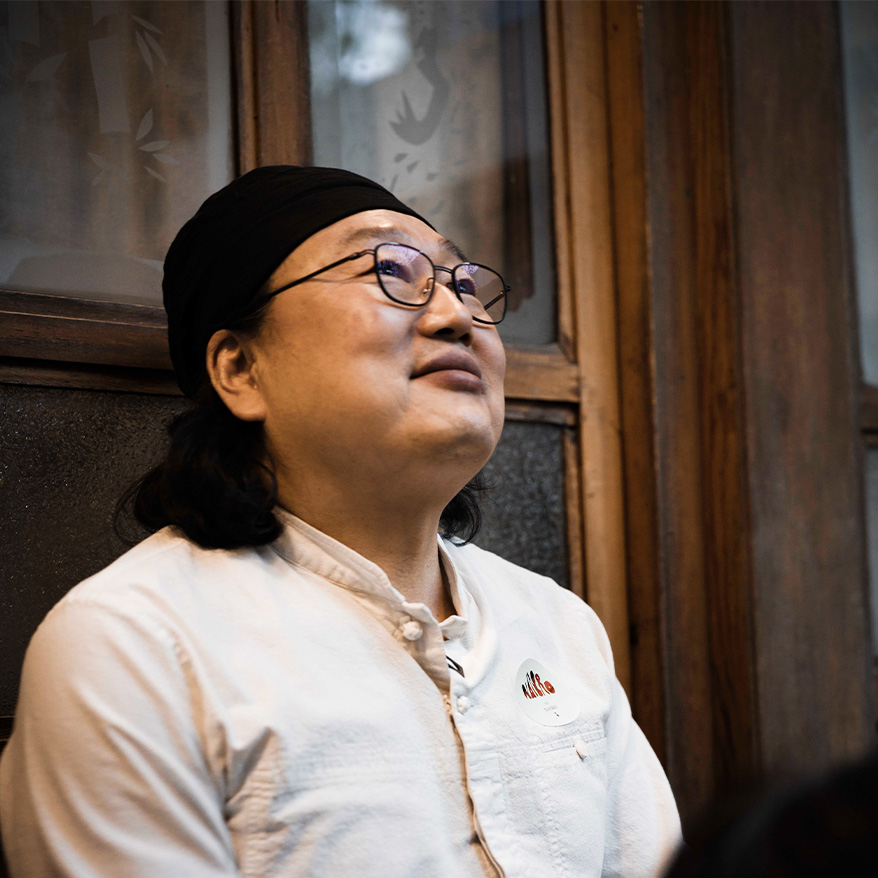
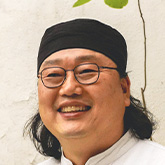
Master Han Young-seok is the man behind cheongmyeongju, the Korean spirit that has drawn the strongest response in the domestic market today. He walked us through the difficulties and peculiarities of making nuruk — the fermentation starter that matters most in brewing — and shared his research into how to produce consistent, quality liquor at scale. Park Yong-hak, head of Sempio, has spent years studying fermentation with Korea's diverse microorganisms and ingredients; he added that a more scientific approach could yield a more reliable nuruk.
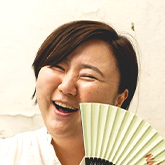
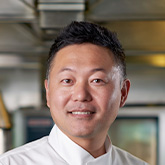
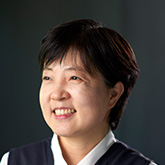
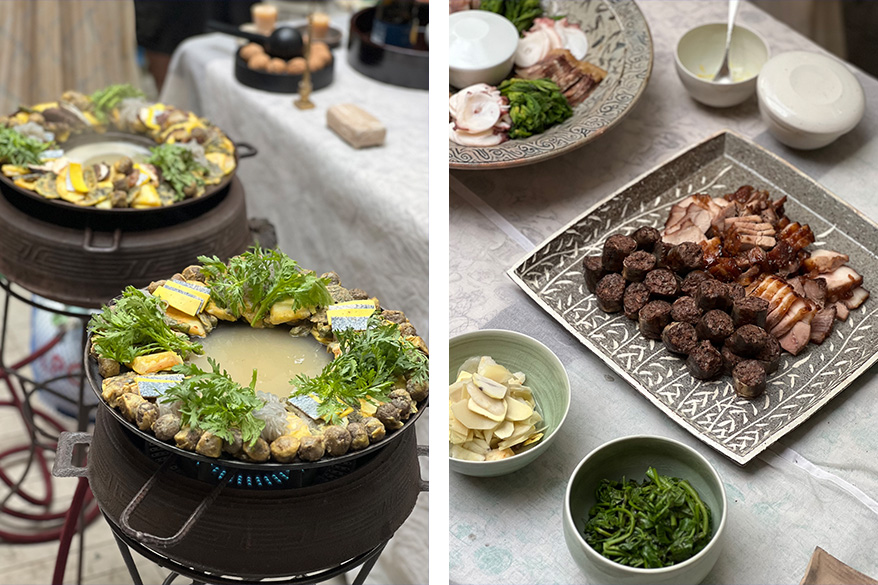
Pâtissier Lee Eun-jung has been thinking about how the distinctive flavors of fermented grains and nuruk might be extended, and proposed adapting them to riz au lait, one of the classic French rice desserts. Chefs Park Sung-bae and Cho Eun-hee of Onjium, drawing on their long study of Korean cuisine, drew a rich broth from seasonal seafood and filled it with spring greens. Chef Jung Hwa-wan of Gigas offered variations on carrots, celeriac, and other vegetables — small dishes and desserts alike. To cleanse the palate of the grainy weight of the drinks, Lee Hye-jin, owner of Okindasil, poured teas steeped with kumquat and other citrus.
To the ingredient talk, an "aesthetics" conversation was added.
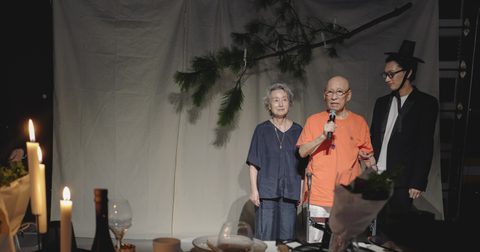
Sculptor Jinnie Seo opened a new line of thought: introducing productized Korean culture requires an aesthetic sensibility. From there, everyone offered their own ideas about visual appeal. What kind of bottle should carry the spirit to market? What should the label look like? Which cups would best suit which drink? Each person brought their experience and perspective to the table. Professor Emeritus Hong Sung-tae of Hanyang University spoke about the importance of curating the distinctive traits of Korean spirits and building the content foundation for global branding. Suggestions followed on how to strengthen distribution channels not only at home but also abroad.
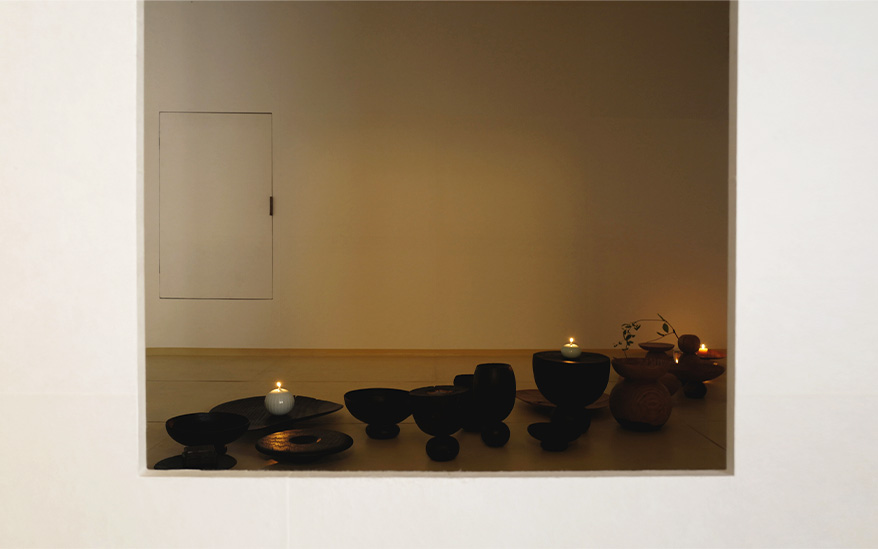
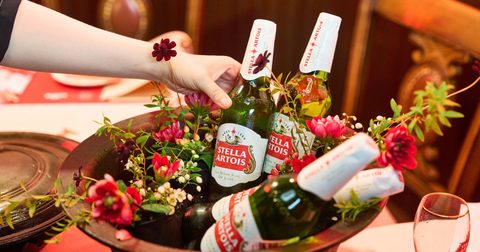
Lee Hye-jin, who presents Korean teas in many forms at Okindasil, is the person who designed this Seochon teahouse as a place where tea, spirits, and food can be experienced together. She arranged for every guest to sit under a hanok eave, feeling the outdoors and the indoors at once. Beyond the words exchanged, it was a time that was itself "aesthetic." Borrowing the image of Joseon-era scholars who shared a verse and a painting alongside their food and drink, she placed in each person's hands a small booklet of poems from that era. A moment of aesthetic reflection, with our tea in hand, on how a fragment of history might live on as a piece of contemporary culture.