"How do we bring Korean-style grilling to the world?" The first step of a long conversation.
The scene of people gathered around a grill, cooking meat together, is no longer confined to Seoul — it now unfolds in almost any city abroad with a sizable Korean presence. The question naturally arose: how could each of these gogijip go further, look sharper, feel newer? Out of that discussion emerged a keyword — "elevation." Until now, expansion had centered on casual, everyday gogijip open to anyone at any time. But wasn't it time for more formal, more refined Korean barbecue restaurants that could carry Korea's high culture alongside its food? A handful of Hansik devotees nodded in agreement and decided to keep meeting around this very idea.
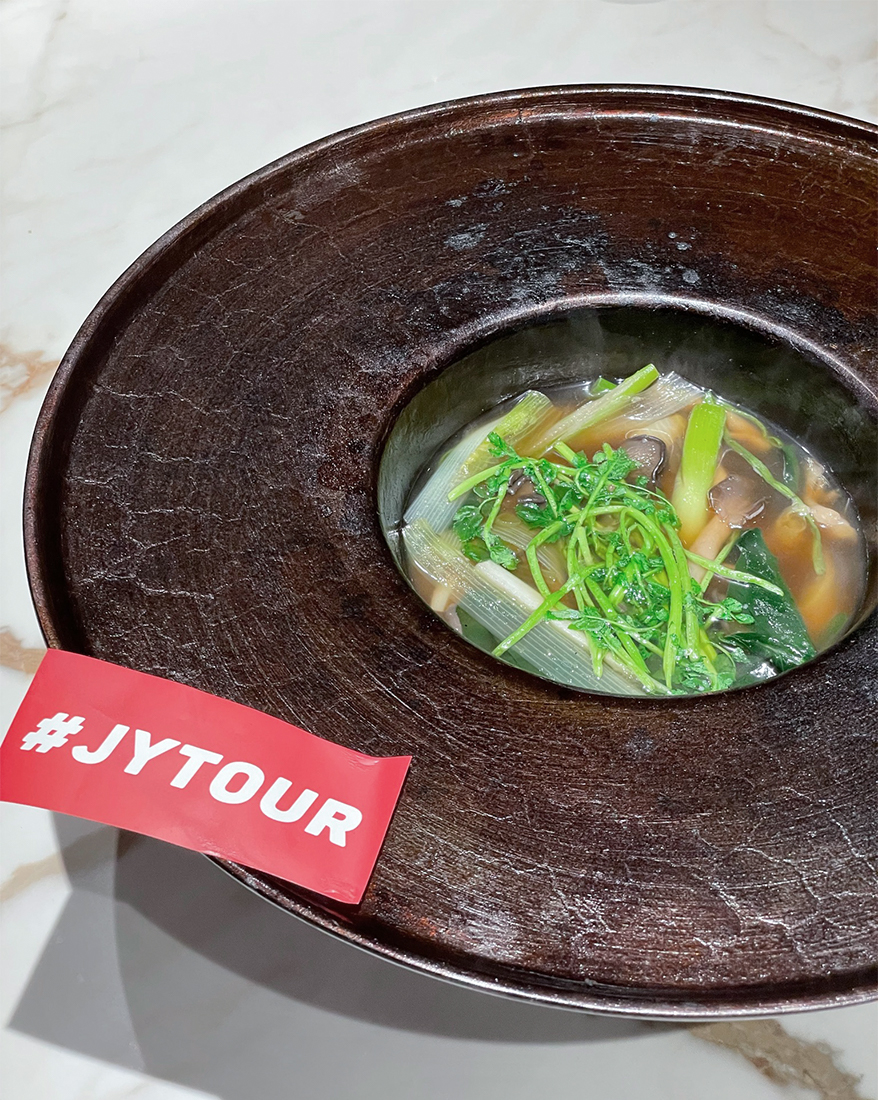
Food specialists and content specialists joined in, and the conversation went deeper
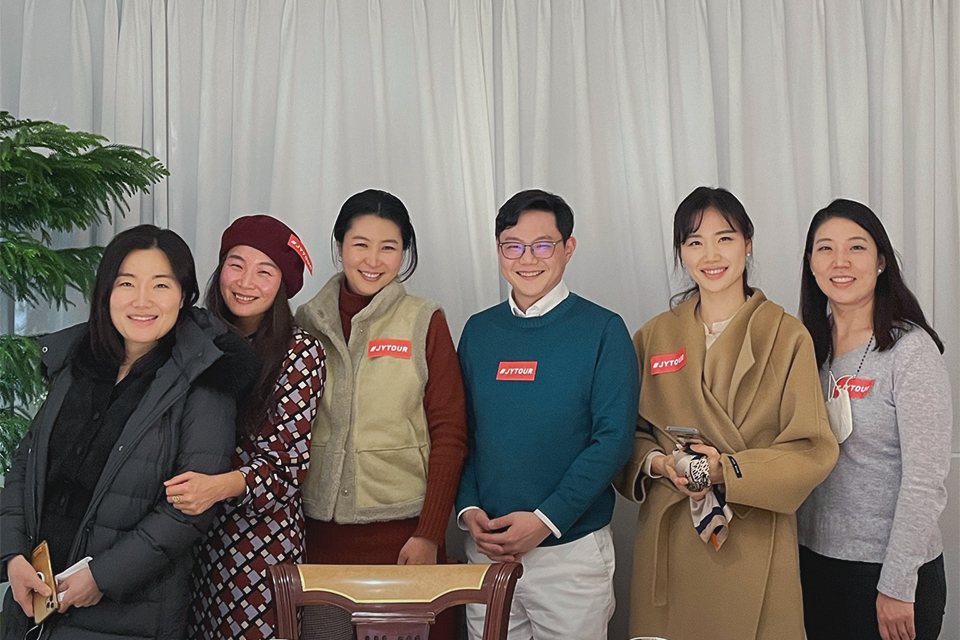
Around the table sat journalists who had eaten their way through restaurants at home and abroad — the ones who fed Korean chefs the fastest news from overseas — alongside corporate overseas-PR leads, food stylists, and more. Food stylist Kim Minji, who has long carried the historical culture of Hansik into cultural work such as the film The Handmaiden, spoke to the weight of visual language in reaching an audience. Any new take on "Korean barbecue," she argued, has to look visibly different at first glance — and the story of why it looks that way has to be told alongside the image. Kim Jung-ah of Hyundai Card's overseas PR team drew on international case studies where national and cultural branding had succeeded, and argued that elevation was now the necessary move. She traced how, over the past decade or so, various countries' cuisines had gone through their own upmarket transformations to travel well beyond their borders.
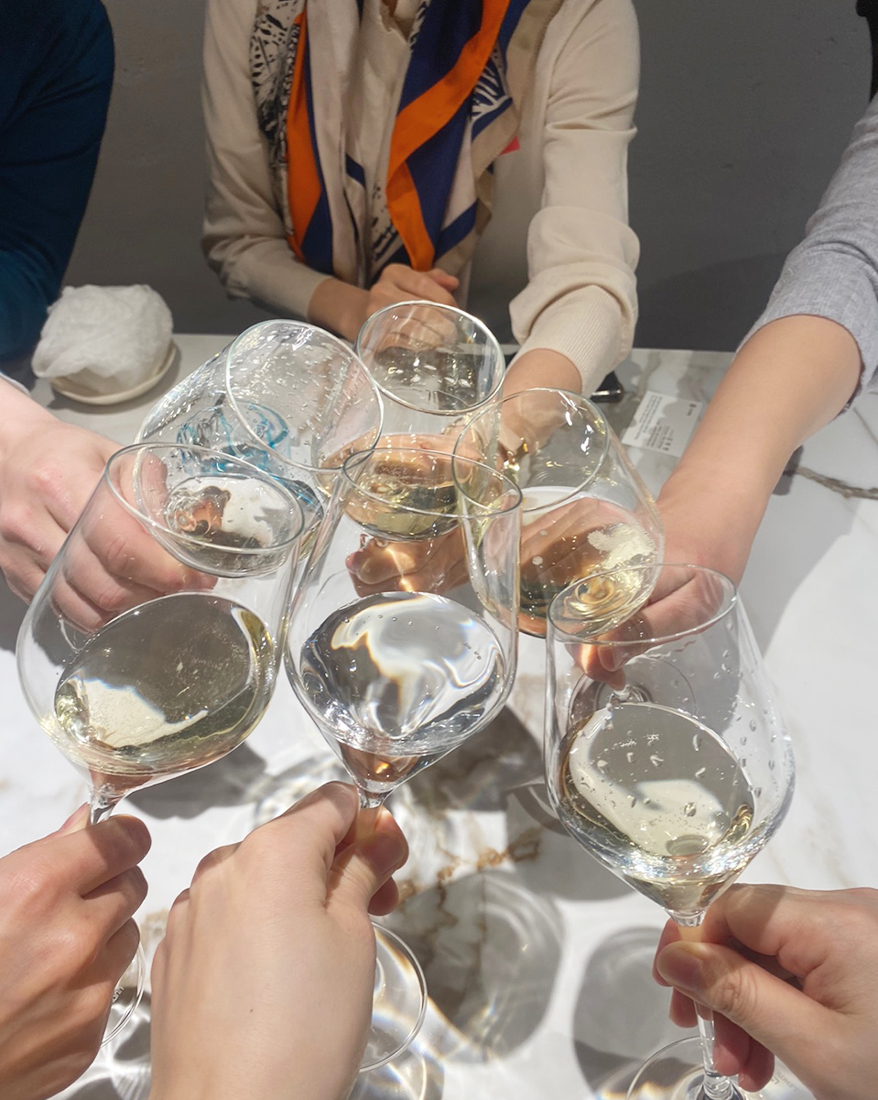
Kim Tae-hyun, Vice Chairperson of Byeokje Galbi, shared the operator's view — the hesitations, the missteps, and the lessons taken from years on the ground. Drawing on his own overseas market research and Byeokje Galbi's earlier ventures abroad, he made the case that to move onto the world stage, Korean grilling culture must claim its own expertise. The key word in that message: jangin — masters. Explaining Korea's distinctive precision in butchery, he argued that Korean meat-grilling has its own masters too, and that the techniques these jangin have refined over decades are well worth traveling from anywhere in the world to learn.